

Robert Smith Starts $1.8M Program to Provide Microgrants to HBCU Students In Need
A study done by the Federal Reserve said that 40 percent of Americans would struggle to meet an emergency expense totaling $400.
This program seeks to provide a cushion to students that would otherwise be in an irreconcilable bind. The microgrants can be used for a bevy of things, including supplies for class and other unexpected expenses.
Robert F. Smith, serves as the chairman of the Student Freedom Initiative, said, “Student Freedom Initiative applauds the leadership of Prudential Financial and their support for our shared mission of eliminating barriers of access for underserved communities.”
He added, “By enabling the launch of the HELPS Program, a vital component of our work to address the holistic needs of HBCU students and families, Prudential’s gift will provide long-needed and often overlooked aid and support persistence of those most vulnerable in our community.”
Students who apply for this program will be asked to participate in research that will expand the HELPS program on Black college campuses. Participation in the study will not be a variable considered when administrators allocate the funds from the program or select recipients.
The goal is to open doors for more students, but knowing the spaces where those needs are can only come from quantitative data ascertained from the demographic HELPS aims to target.
“Over 75 percent of students at HBCUs are considered low-income, relying on Pell Grants to meet their college expenses. However, for many of these students, these grants are not enough,” said Mark A. Brown, executive director of Student Freedom Initiative.
“During recent onsite visits at multiple HBCUs, we learned from executive leadership and student focus groups that many of our students are unable to overcome financial challenges for expenses that are not directly related to the cost of college,” he added. “These expenses left unaddressed can derail their college plans. In addition, most of these students lack the necessary financial literacy to make informed decisions, though they are asked to sign complex promissory notes that could indebt them well into their adult lives.”
For the 50 million kids who attend public schools in the US, the 2020 election is personal. Watch more 2020 Read more

FedEx Corp. just agreed to give Jackson State University over the next five years to support educational opportunities and employment equity. Read more
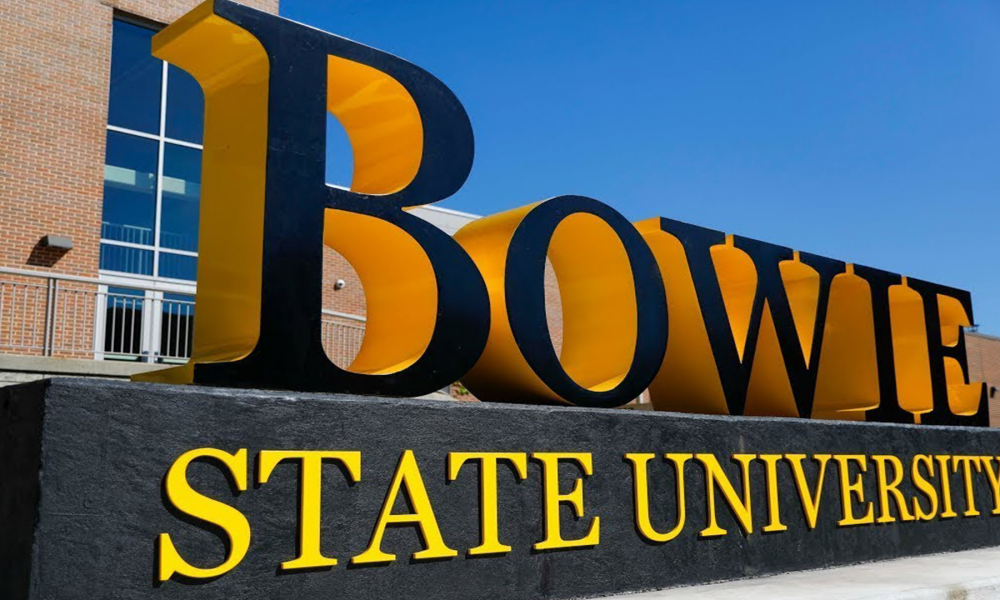
It was recently announced that Bowie State University, the oldest Historically Black College and University in Maryland, is partnering with Read more

A driver has come forward, turning himself in on Wednesday for the hit-and-run accident that resulted in the death of Read more

First Take's Stephen A. Smith wants black players to speak up on behalf of black coaches being fired in the Read more

Jason Smith, a middle school principal in Indianapolis, Indiana, is receiving praise after cutting the hair of an eighth-grader who felt ashamed Read more
As Black History Month reminds so many Americans of just how far Black people have come, it also prompts reflections Read more
Last year, former GOP candidate for U.S. Senate, John James, touted his idea to establish an HBCU in Detroit during a Read more

What the American Education system does to Black children is not only crippling but makes it almost impossible for a Read more

"...a lot of people in retrospect attack Elvis for stealin` the black music and making it white. I say Elvis Read more
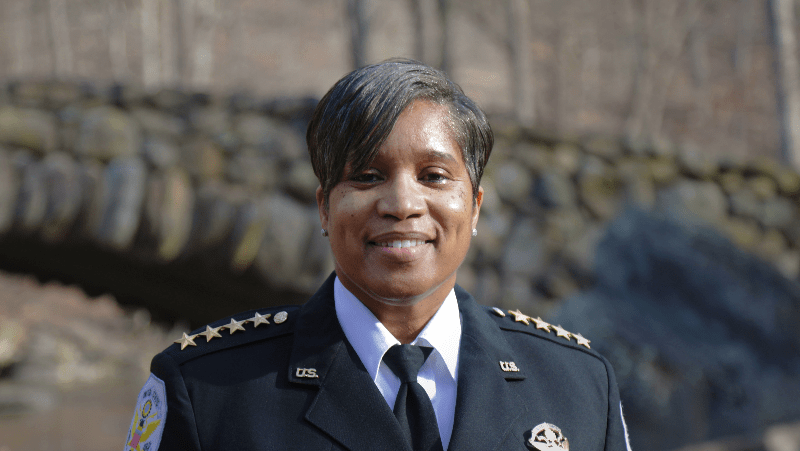
Pamela Smith has been appointed leader of the U.S. Park Police, becoming the first Black woman to hold the position with Read more

Black History is more than a month. It’s a movement, complete with a rich history of innovators, pioneers and overall Read more