

Oliver Toussaint Jackson established Dearfield settlement in 1910
Oliver Toussaint Jackson established Dearfield, a black agricultural colony on the arid high plains in Colorado on May 5, 1910. Jackson got the support of the Colorado chapter of the National Negro Business League, but the group withdrew their support after Booker T. Washington, the national president, refused to endorse the settlement. After being unable to acquire another financial backer for the project Jackson and a few families started the settlement on their own.
During the first winter in Dearfield only two of the seven families “had wooden houses and the suffering was intense” according to Jackson. He said “buffalo chips and sagebrush was our chief fuel. Three of our horses died from starvation and the other three were too weak to pull the empty wagon.”
Then by 1915 Dearfield had gone from only seven families living in tents, dugouts and caves in the hillside to twenty-seven families living in wooden cabins. The next five years would see the settlement grow to a population of seventy with their own school, restaurant, grocery store, boarding house, and two churches.
By the end of World War I in 1918 brought an end to the settlement’s growth. As the demand for their crops dropped the families started to default on their mortgages and equipment loans. One by one the families sold their farms until there were only twelve people living in Dearfield in 1940. The last resident was Jackson’s niece Jenny Jackson, lived there until her death in 1973.
Source:
Hill, S. (2007, May 23). Dearfield, Colorado. BlackPast.org. https://www.blackpast.org/african-american-history/dearfield-colorado/
Video footage shows lunchroom aide made a Black child eat food out of cafeteria trash

FedEx Corp. just agreed to give Jackson State University over the next five years to support educational opportunities and employment equity. Read more
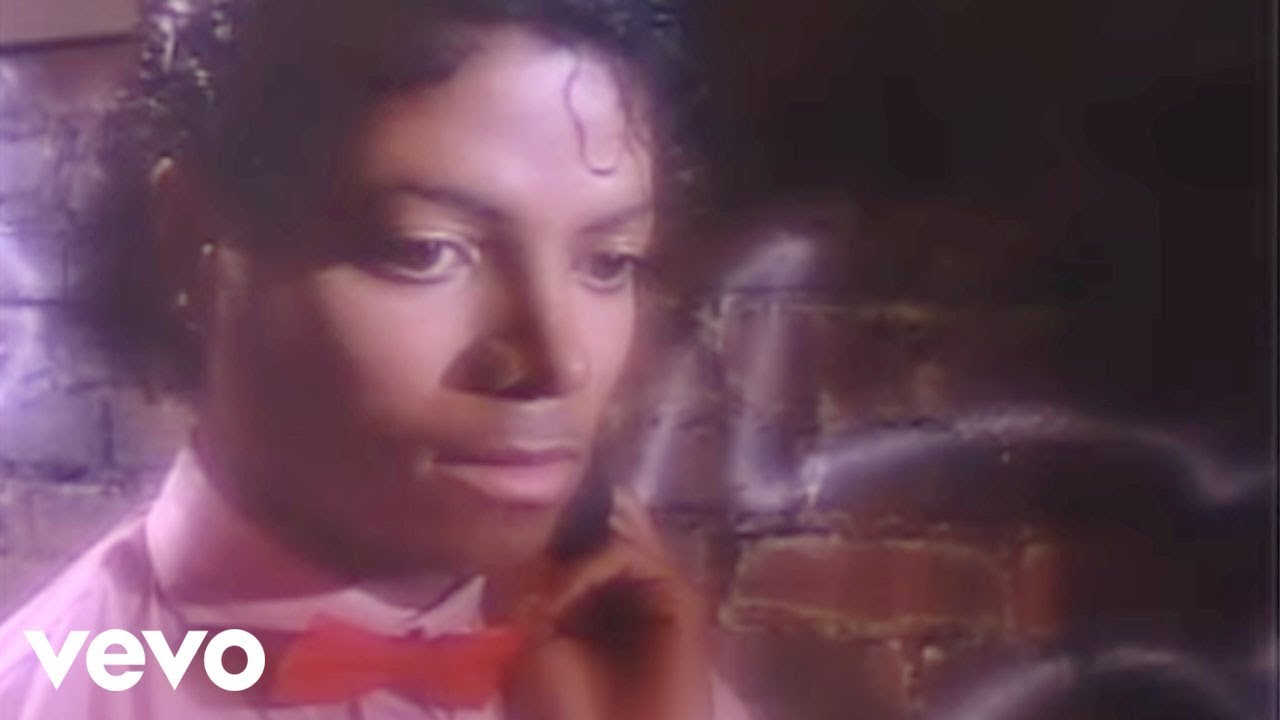
Official music video for "Billie Jean" by Michael Jackson Listen to more of your favorites by Michael Jackson: https://MichaelJackson.lnk.to/_listenYD "Billie Read more

Actor Samuel L. Jackson admits he was enraged after the killing of Martin Luther King Jr. The April 4, 1968 Read more

0SHARESShareTweetSubscribe Water distribution continues in Jackson, Mississippi as Jackson residents battle the water crisis caused by last week’s record low Read more

NASA announced that it’s naming its headquarters in Washington, D.C., after legendary Black scientist Mary Jackson, one of the many Black women that Read more
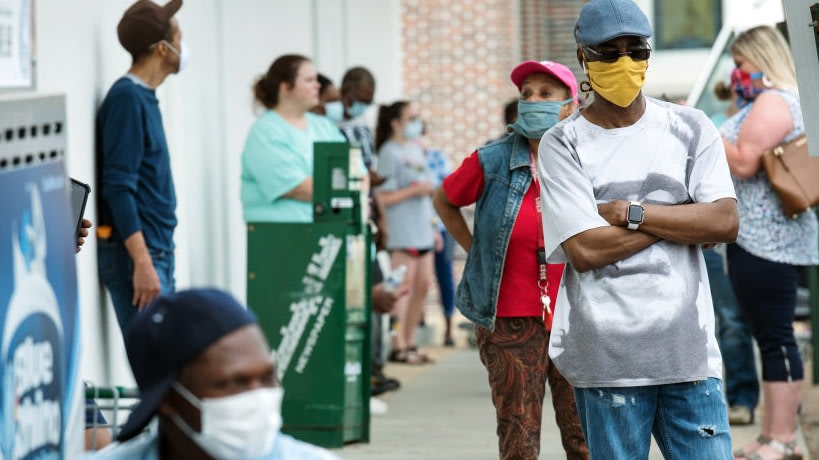
Since the devastating winter storms in February, thousands of people living in the state of Mississippi have been cut off Read more
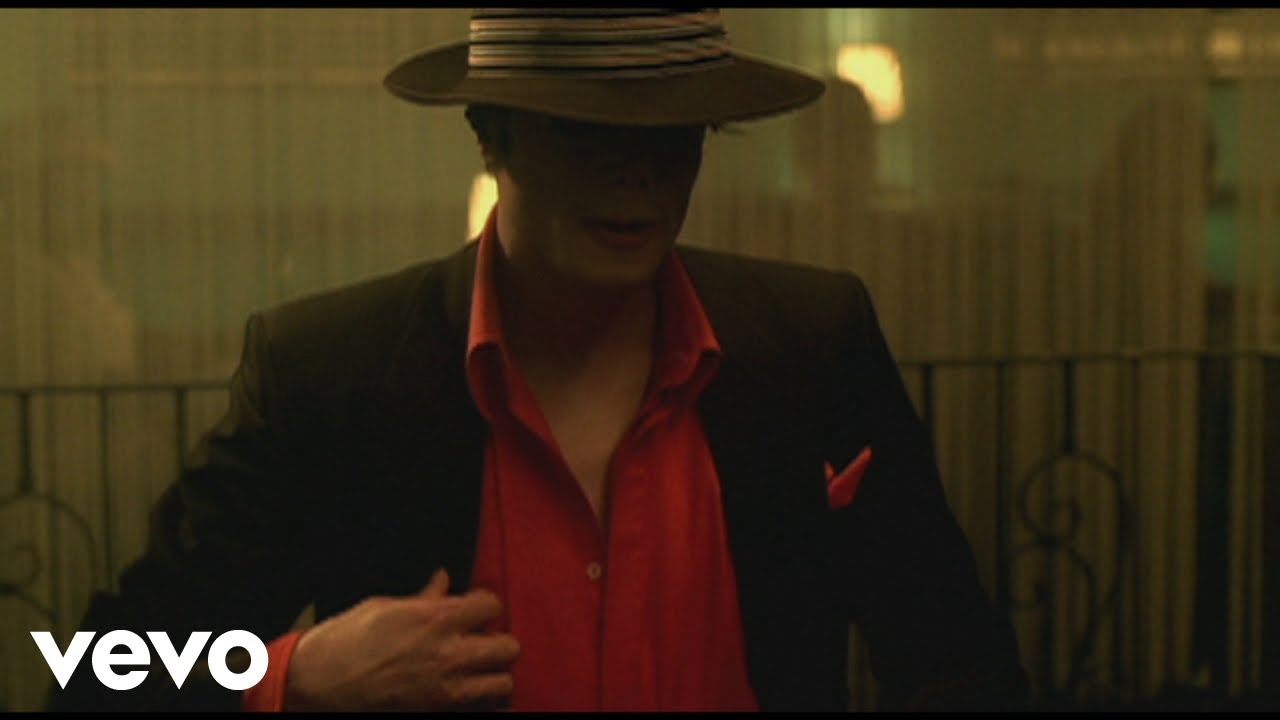
The short film to "You Rock My World," the Top 10 hit single from Michael Jackson's Invincible, features guest appearances Read more
RIP michael jackson source
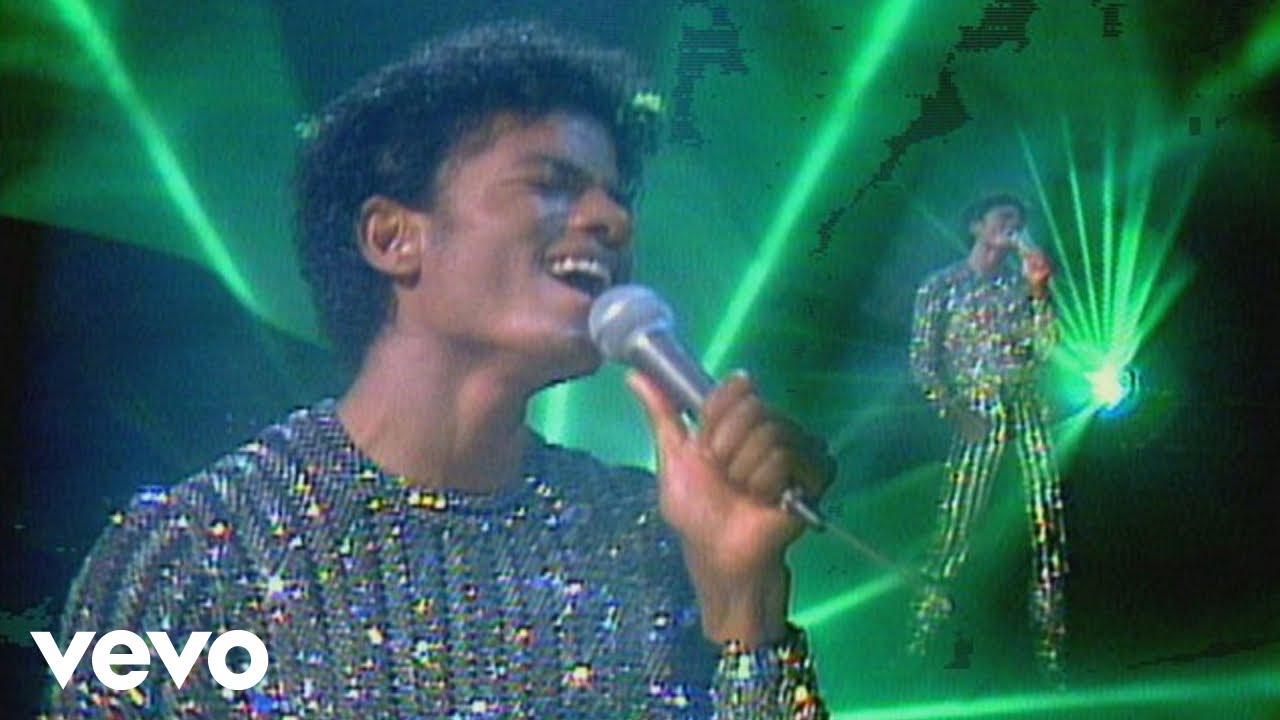
"Rock With You" was Michael Jackson's second short film, filmed in 1979 for the second No. 1 hit single from Read more
![Michael Jackson – Ghosts [Full-length Remastered]](https://i.ytimg.com/vi/LW68Lkb5kME/maxresdefault.jpg "Michael Jackson – Ghosts [Full-length Remastered]")

1SHARESShareTweetSubscribe A part-time server at an Outback Steakhouse restaurant for around 20 years is now the owner and managing partner Read more
“They Don’t Care About Us” by Michael Jackson Listen to Michael Jackson: https://MichaelJackson.lnk.to/_listenYD Spike Lee directed two short films for Read more