
Black Music Appreciation Month Further Proves That American Culture Is Black Culture
In the late ’70s, a group of DJs in The Bronx pioneered new techniques that allowed them to use two turntables to extend the popular instrumental break sections of funk and disco records to keep the crowds dancing at their parties. The techniques of these DJs became so captivating to the audiences that people started watching them and forgot to dance. And so the DJs, and later separate masters of ceremonies, would get on the microphone during these parties and use rhymes and catchphrases to hype up the crowd.
These rhymes soon evolved into full-fledged rap verses, and the records into samples and original tracks, giving birth to a new genre of music dubbed hip-hop. Over the last 45 or so years, hip-hop has taken on various regional flavors and sub-genres — west coast, southern, gangsta, backpack, trap music — and spread to every region of the world. The musical influences of hip-hop beats have been incorporated into other genres such as R&B and rock. And as the most lyric-heavy of all genres, rap has been used to address every topic imaginable.
Together, these musical genres, born of the creativity, pain and aspirations of the Black American experience, have been definitive features of this country and huge influences on cultures around the world. With Black artists and historically African American genres more ensconced in popular culture than ever, Black Music Appreciation Month is a good time to recognize the breadth and depth of Black music in American history and the world today.
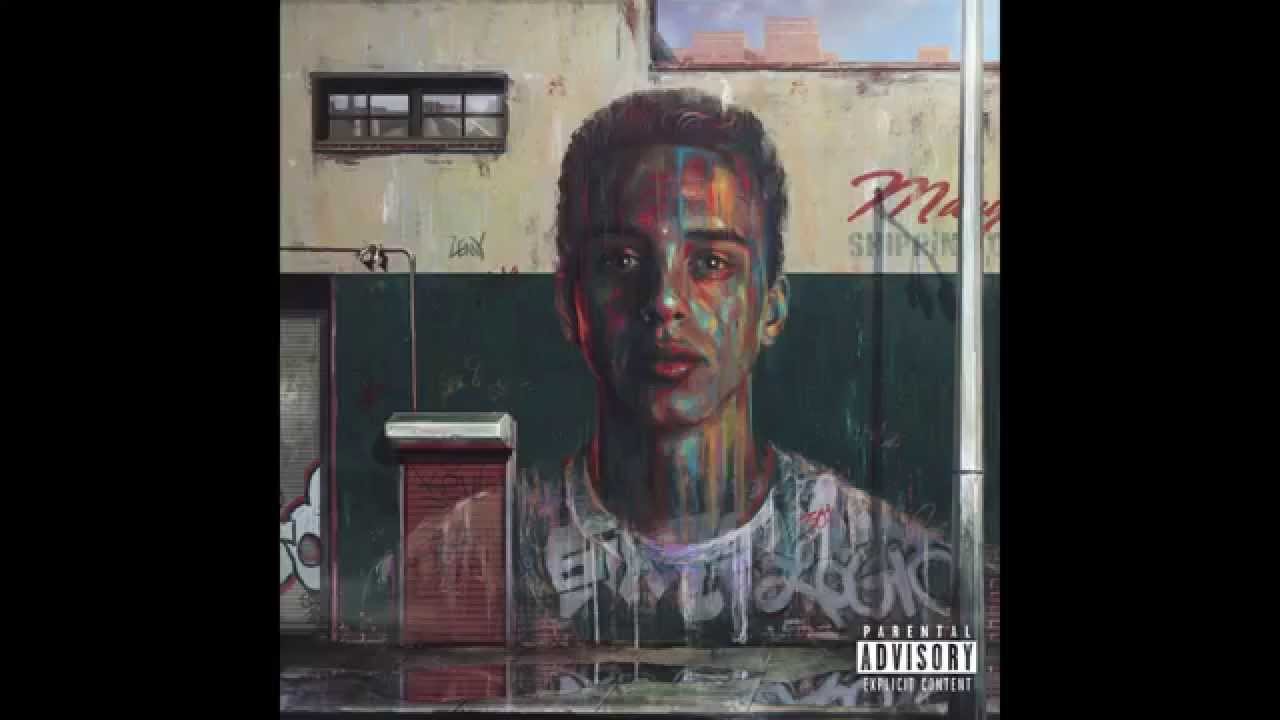
The official version of Logic's "Soul Food" audio off his 'Under Pressure' album which is out now on Visionary Music Read more

More than a quarter of professional footballers in Europe's top leagues are Black. But in all 98 head coaching positions Read more

A Maryland resident is breaking barriers as an entrepreneur, becoming the first Black woman to solely own a tequila brand. Tiffany Hainesworth Read more

Alexander Twilight is generally believed to be the first African-American in the United States to graduate from college. Twilight was Read more
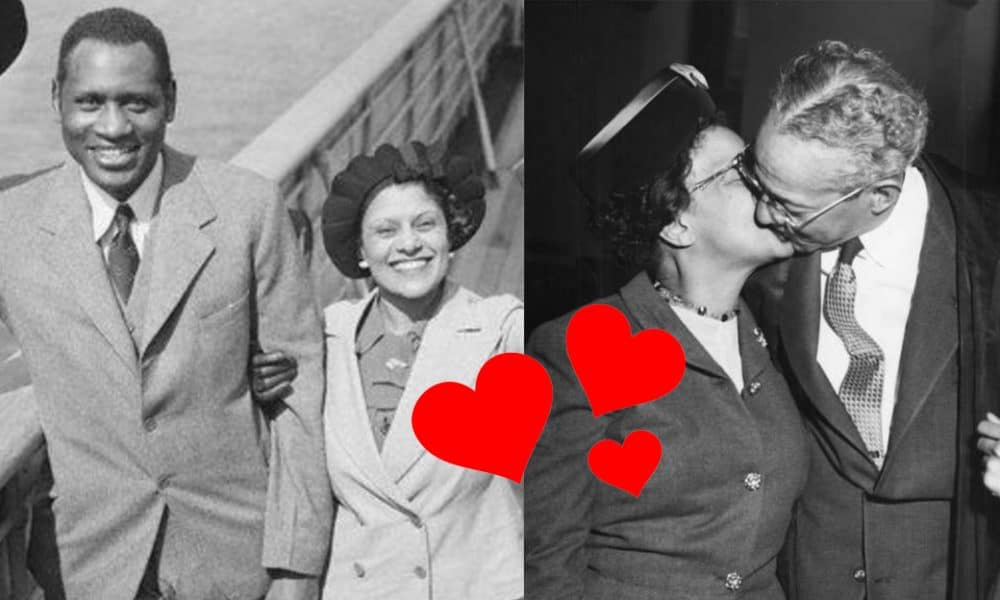
Beautiful Black fraternity and sorority couples have existed over 100 years so let’s celebrate their love. We’ve compiled a list Read more

The following conversation was conducted over email and edited for flow and clarity. Benny Pough is the head of ALJ Read more

“Black Men Teach is trying to get Black men in elementary school classrooms,” Markus Flynn, executive director of Black Men Read more

California home owners experienced racism and discrimination when they were getting an appraisal for their Bay Area home. “It was Read more
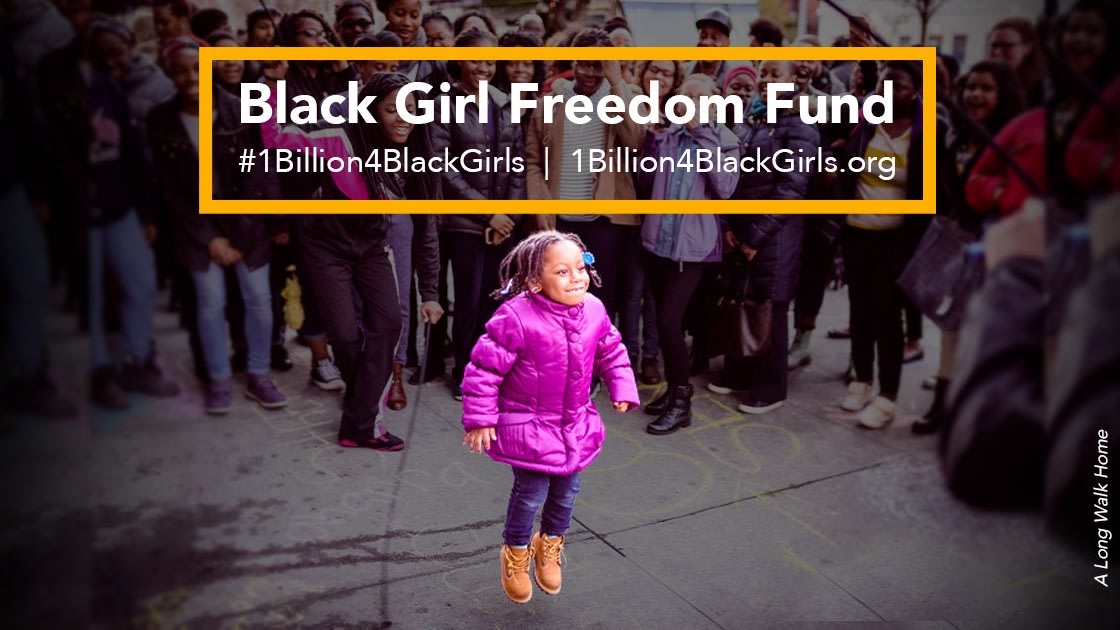
A weeklong series emphasizing investment in Black cis and trans girls is having its inaugural launch this week.Through virtual programming, Read more
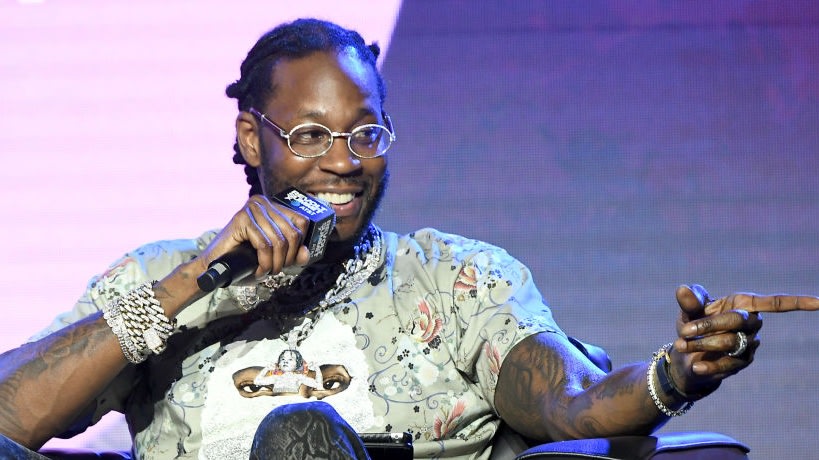
As the celebration of Black History Month continues around the country, 2 Chainz honored the special time of the year Read more

Top 10 American Black Billionaires (+ Up&Comings) http://www.blackexcellist.com ---------------------------------------------- Business Inquiries, Partnerships, & Suggestions blackexcellist@gmail.com Support the Movement w/$25 * Read more

Donate to DJ SkyWalker: https://paypal.me/pools/c/8qNqWU4tVr DJ SkyWalker jetzt auch als Artist KINKO 069 in der DeutschRap Szene. Eigene Produktion mit Read more