
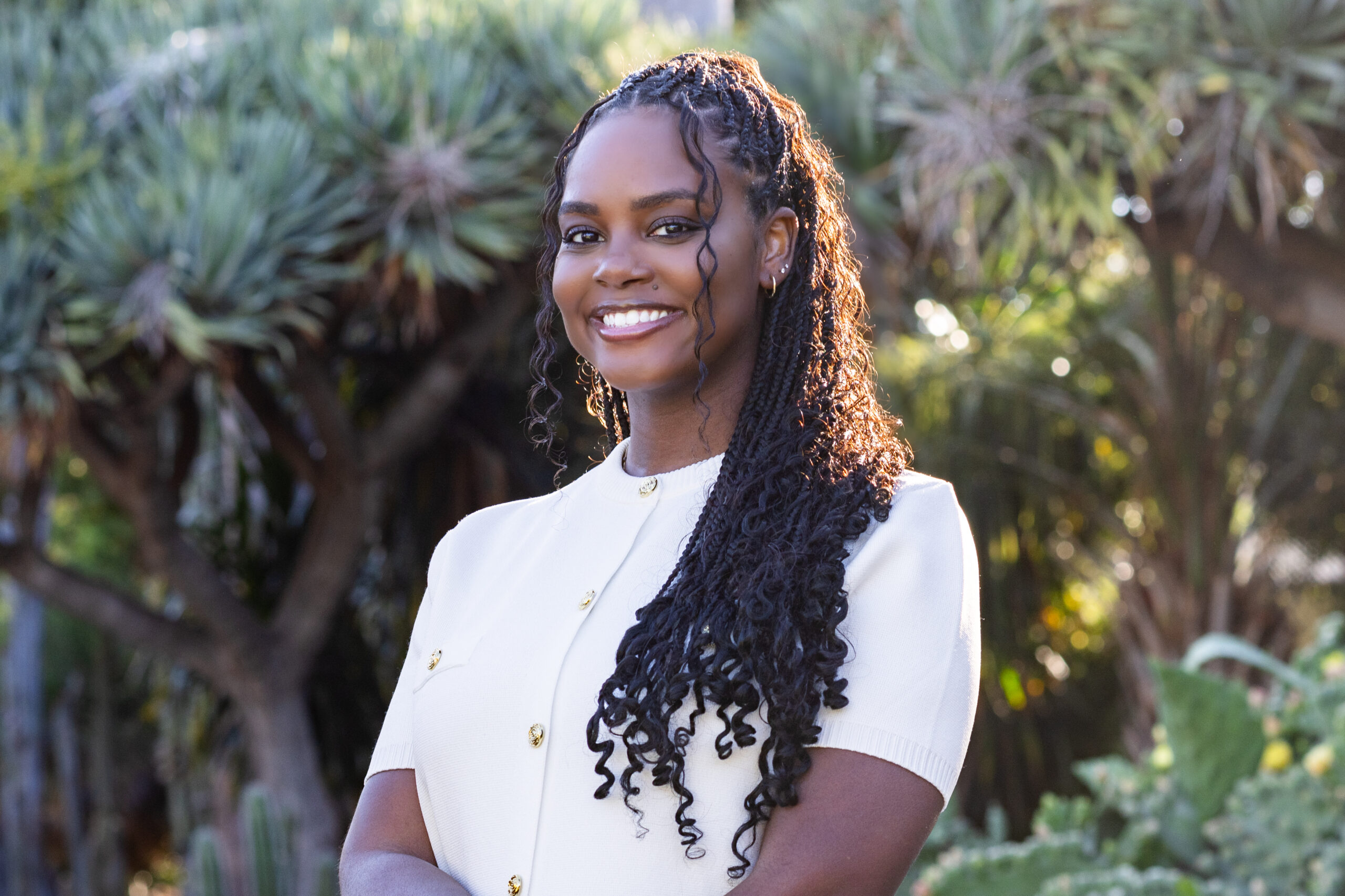
Women’s Sports Agents Redefine Power Behind the Scenes as NIL Era Expands Opportunity

The balance of power in women’s sports is shifting in ways that are less visible than a game-winning shot but increasingly decisive in shaping careers. Behind endorsement deals, social media campaigns and rising athlete visibility are agents and strategists redefining what opportunity looks like in the name, image and likeness era.
For Tracy Hughes, that shift has centered on a simple but intentional goal.
“I wanted to be somewhere where I could really impact women athletes,” Hughes said.
Hughes works in athlete representation and brand strategy at a time when women’s sports, particularly college athletics, are undergoing rapid structural change. Since the NCAA adopted NIL rules in 2021, college athletes have been able to profit from endorsements, opening new financial pathways that did not previously exist at scale for women in sport.
The Rise of NIL and the New Athlete Economy
The result has been a more complex ecosystem where athletes are not only competitors but also brands. Hughes says that has changed the role of representation significantly.
“A lot of people see the end result, the partnerships, the campaigns,” she said. “But there is so much work that goes into making sure those opportunities actually align with who the athlete is and where they are trying to go.”
That alignment has become a defining challenge of the NIL era. Athletes, some still teenagers, are now navigating contracts, sponsorships and personal branding decisions that once belonged exclusively to professional leagues. Agents and advisors have stepped into a role that blends business negotiation with long-term career planning.
Hughes describes that shift as increasingly forward-looking rather than transactional.
“You are thinking about longevity from day one now,” she said.
The Growing Sophistication of Athletes and Deals
The rise of NIL has also accelerated the need for education around deal-making and brand strategy. Athletes are often approached by companies eager to capitalize on their visibility, but not all opportunities carry equal long-term value. Representation now includes evaluating not only compensation but also alignment with an athlete’s identity and trajectory.
Women’s sports, in particular, have seen a surge in attention and investment over the past several years, from expanded media coverage to record attendance in collegiate and professional leagues. Yet disparities in pay and resources persist, making strategic guidance even more central to athlete development.
Representation as Long-Term Strategy
Hughes says that context shapes how she approaches her work with athletes. The goal, she suggests, is not simply to secure deals but to ensure those deals contribute to a broader career foundation that extends beyond college athletics.
Industry-wide, major sports agencies and brands have expanded their focus on women’s sports representation as demand grows. Agents now operate at the intersection of marketing, contract negotiation and personal brand development, reflecting a broader shift in how athletes build careers in real time.
A Structural Shift in Women’s Sports
As the landscape continues to evolve, Hughes said the responsibility of representation has become clearer and more demanding. Athletes are entering the system earlier, more informed and more aware of their value than in previous generations. That shift is structural according to Hughes.
The result is a sports economy where influence is no longer defined solely by performance, but also by positioning, preparation and the ability to turn opportunity into sustained momentum.
If you look at the history worldwide, Black people have contributed more than anybody else. They have contributed to almost Read more

The official version of Logic's "Soul Food" audio off his 'Under Pressure' album which is out now on Visionary Music Read more
For the 50 million kids who attend public schools in the US, the 2020 election is personal. Watch more 2020 Read more
In this clip from 1965, after leaving the Nation of Islam, Malcolm X appears on CBC-TV's 'Front Page Challenge' weeks Read more

I Have a Dream" is a public speech that was delivered by American civil rights activist Martin Luther King Jr. Read more

✪This one important person in Oprah Winfrey's life wanted nothing to do with her until she was famous. Years later, Read more
Relive the BEST OF Michael Jordan's playoff games through the years! Subscribe to the NBA: https://on.nba.com/2JX5gSN Full Game Highlights Playlist: Read more
The short film for Michael Jackson's ""Smooth Criminal"" was the centerpiece of the feature film Moonwalker, and featured the debut Read more


Paul Pierce and Zach Lowe join Rachel Nichols on The Jump for “Make or Miss,” to discuss Zach LaVine, Steph Read more

Watch the highlights of Serena Williams vs Simona Halep at Australian Open 2021. News from the #1 sports destination and Read more

Check out the Top-10 shots of Tiger Woods' career on the PGA TOUR (excluding majors), feature incredible putting, clutch hole Read more