
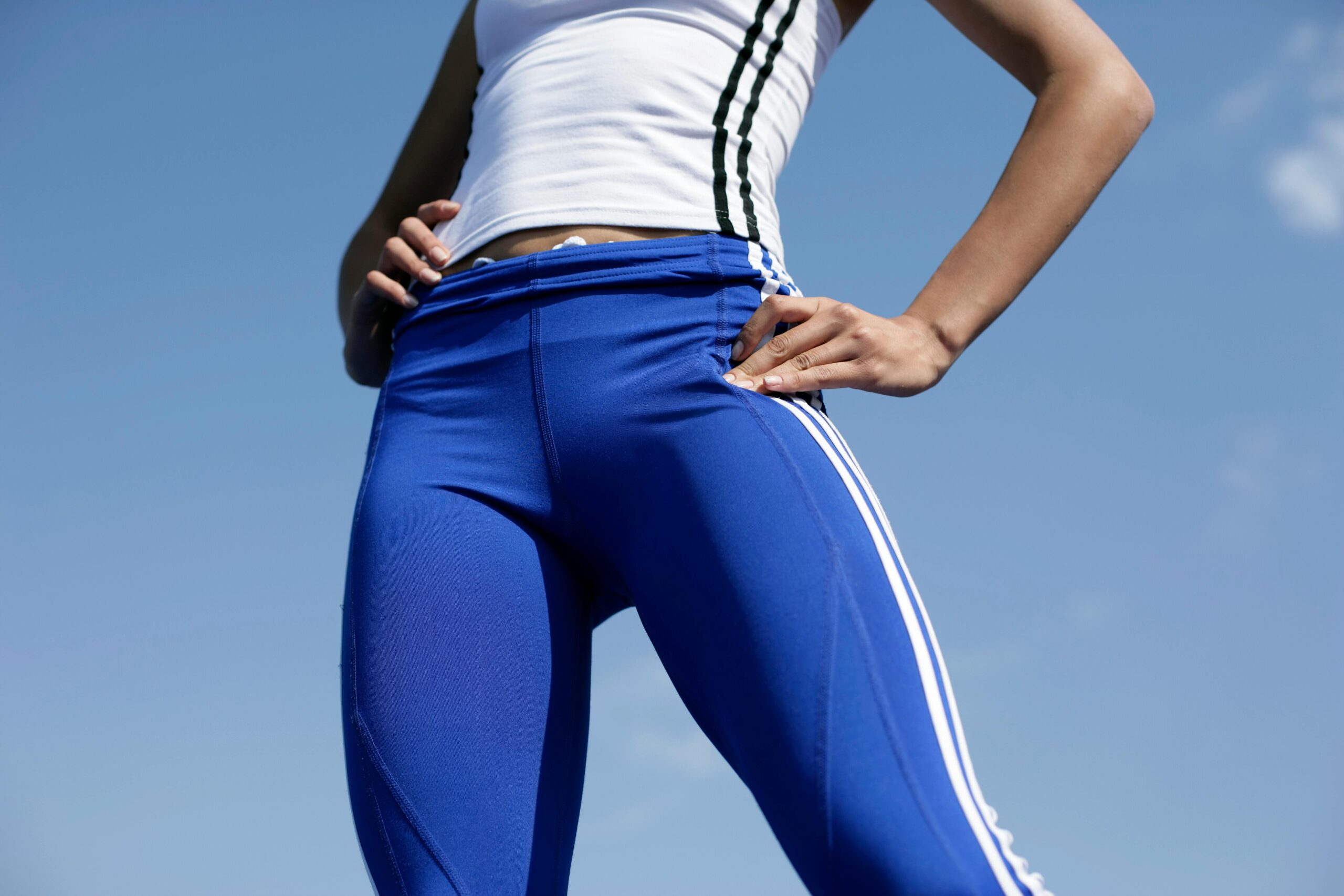
What Your Posture Says About You
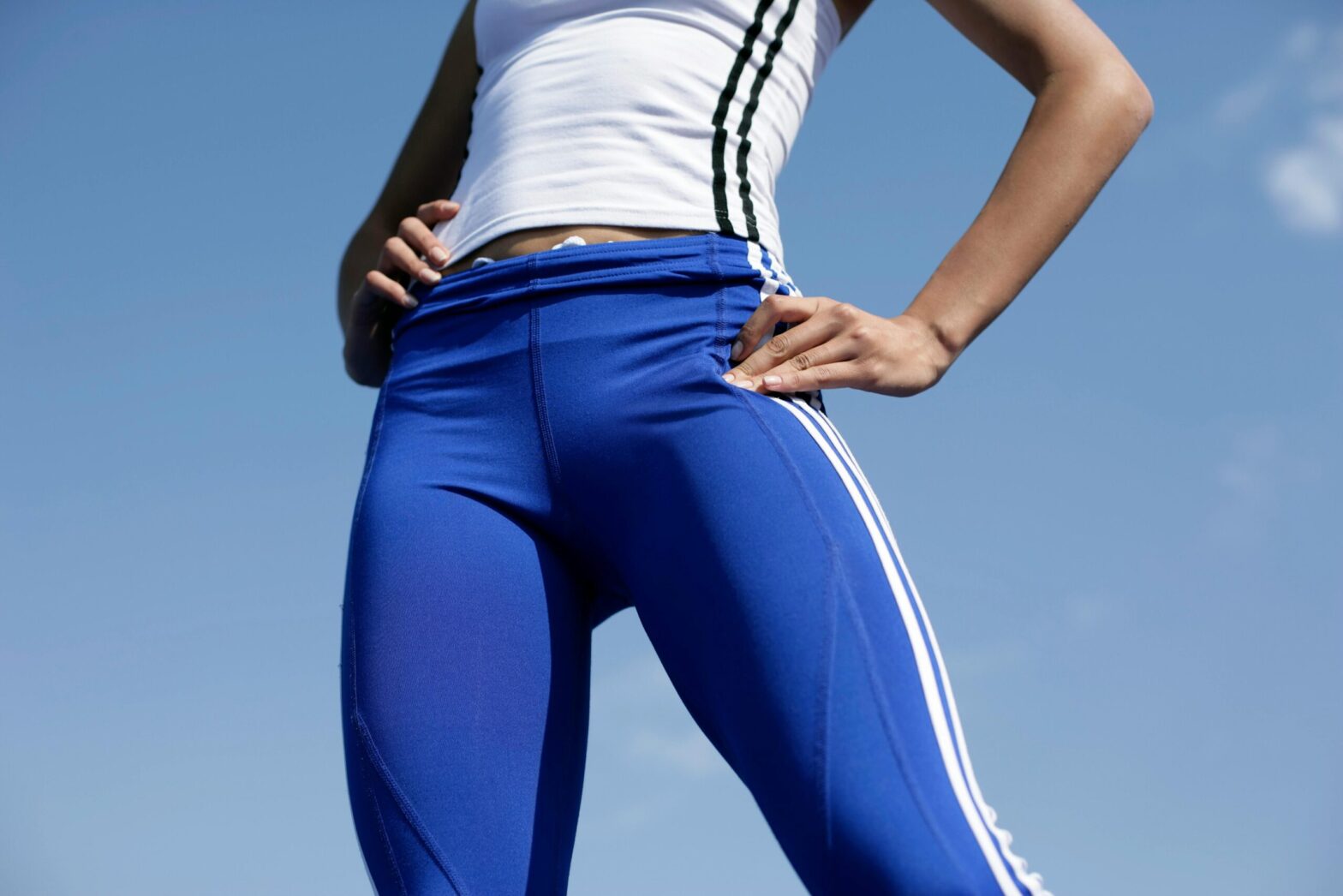
“Sit up straight.” “Stop hunching over.” “Straighten your back.” We’ve been nagged about our posture since early adolescence, though the older we get, the more its significance becomes clear. Your posture introduces you before you walk into a room, letting everyone subconsciously know what you may be emotionally holding or the state of your self-image. Women who stand tall are generally perceived as more competent and in control, while women who are hunched can seem defeated or anxious. It can make all the difference in the inevitable preconceived notions people conjure about you.
Your posture also sets the foundational tone for mobility in the future, which is why it’s most certainly an important aspect to pay attention to. Here’s a deeper dive into what your posture says about you.
Decoding Your Posture
When you’re walking into a social event or a meeting with high stakes, the way that you hold your body can make a big difference in the way you’re perceived. You want to be aware of what you’re communicating beyond your words, and make sure that they align with your intentions. Here are some examples:
- Standing tall with shoulders back: confident, self-assured, leadership-oriented.
- Slouched shoulders and lowered head: tired, stressed, insecure, overwhelmed
- Arms crossed: guarded, defensive, uncomfortable
- Leaning forward: interested, engaged, eager
- Leaning away: disinterested, skeptical, emotionally distant
- Feet pointed toward someone: interest and connection
- Constant fidgeting or shifting: nervousness, impatience, anxiety, or discomfort
- Relaxed posture with open hands: calm, approachable, trustworthy
It’s important to note that posture works both ways. It can reflect how you feel internally, but it can also shape that internal world. Standing taller, making eye contact, and opening up your posture can sometimes help you yourself feel more confident, less stressed, and more present.
Fixing Your Posture
So maybe you don’t exactly love what your posture is saying abut you. The good news is, you have the power to fix it. Beyond addressing any underlying emotional sentiments that can be bleeding into your aura, there are ways that you can physically train your body to stand tall.
The biggest secret to fixing your posture is that it’s less about forcing yourself to “sit up straight” all day and more about building strength, stretching tight areas, and changing little habits, like keeping your screen at eye level if you have a desk job and moving around every half hour if your routine is too sedentary.
Stretching most certainly helps, but it works best when paired with strengthening. Some of the best posture exercises to help support your own body are:
- Chin tucks for forward head posture
- Rows or resistance band pulls for upper back strength
- Planks for core strength
- Glute bridges for hip and lower back support
- Cat-cow stretches for spinal mobility
- Chest stretches if your shoulders roll forward
- Hip flexor stretches if you sit a lot
The biggest posture killer is sitting too long, so keep moving and keep intentional. Allotting 10 to 15 minutes a day for some chin tucks, planks, glute bridges, and a chest stretch can make all the difference a few weeks, so long as you stay consistent.

If you look at the history worldwide, Black people have contributed more than anybody else. They have contributed to almost Read more

The official version of Logic's "Soul Food" audio off his 'Under Pressure' album which is out now on Visionary Music Read more

For the 50 million kids who attend public schools in the US, the 2020 election is personal. Watch more 2020 Read more
In this clip from 1965, after leaving the Nation of Islam, Malcolm X appears on CBC-TV's 'Front Page Challenge' weeks Read more

I Have a Dream" is a public speech that was delivered by American civil rights activist Martin Luther King Jr. Read more

✪This one important person in Oprah Winfrey's life wanted nothing to do with her until she was famous. Years later, Read more

Relive the BEST OF Michael Jordan's playoff games through the years! Subscribe to the NBA: https://on.nba.com/2JX5gSN Full Game Highlights Playlist: Read more

The short film for Michael Jackson's ""Smooth Criminal"" was the centerpiece of the feature film Moonwalker, and featured the debut Read more


Paul Pierce and Zach Lowe join Rachel Nichols on The Jump for “Make or Miss,” to discuss Zach LaVine, Steph Read more

Watch the highlights of Serena Williams vs Simona Halep at Australian Open 2021. News from the #1 sports destination and Read more

Check out the Top-10 shots of Tiger Woods' career on the PGA TOUR (excluding majors), feature incredible putting, clutch hole Read more