
The Summer Of Joy: Why New Yorkers Are Celebrating More Than A Championship

It could be argued that summer is the best time to be in New York City. After months of rushing between destinations and enduring below-freezing temperatures, New Yorkers return to parks, brownstone stoops and apartment-building rooftops. People linger a little longer, and so do the days.
And with the first day of summer still days away, New Yorkers have no shortage of reasons to be outside. But they also have an unusual number of reasons to celebrate.
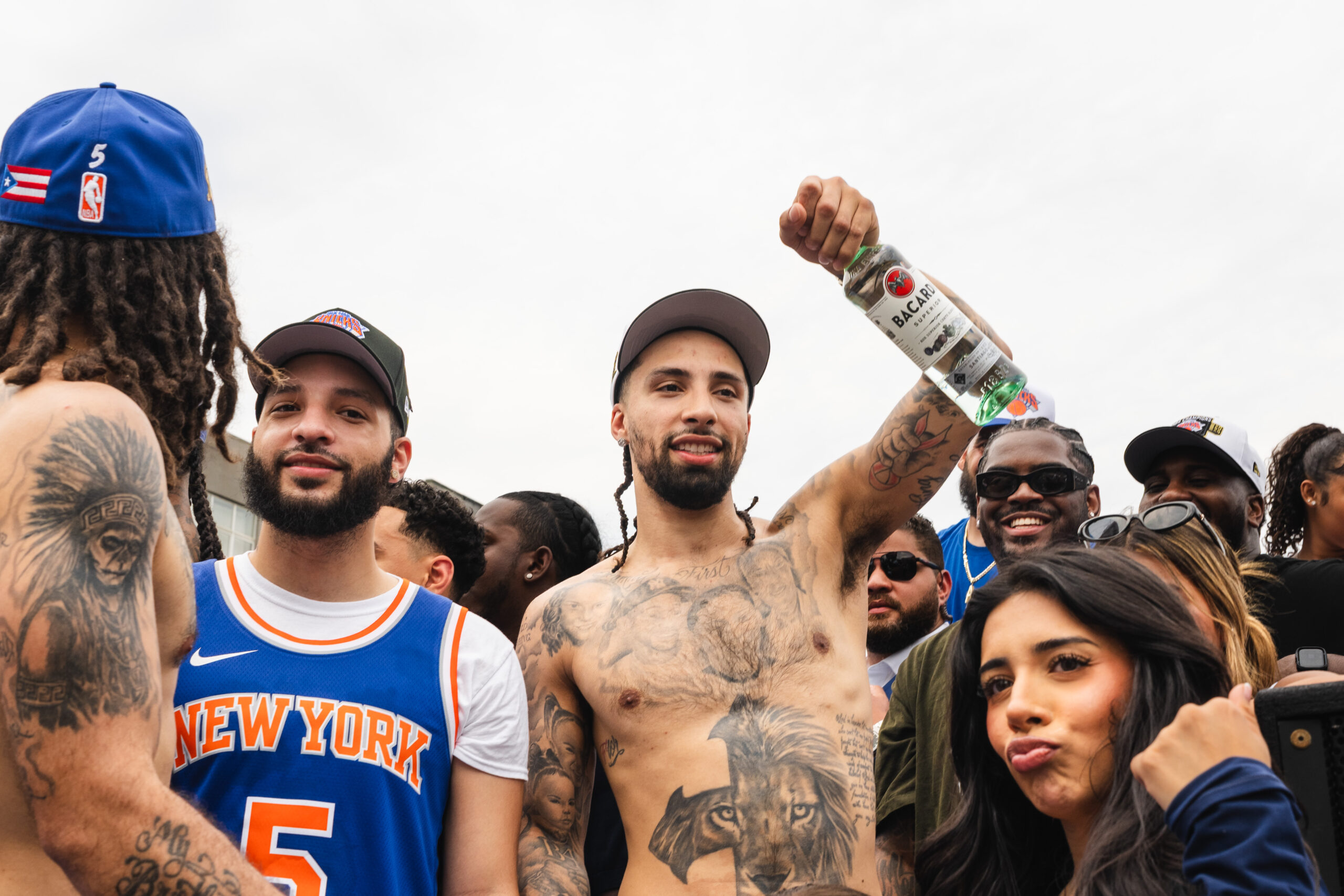
The New York Knicks secured their first NBA championship in 53 years, giving the city a victory generations of fans had waited decades to see. The day after the win, hundreds of thousands of people lined Fifth Avenue for the National Puerto Rican Day Parade. Pride Month festivities are unfolding across all five boroughs. World Cup matches have brought fans from around the world to the New York-New Jersey region. Juneteenth celebrations are just days away. And on Thursday, New Yorkers will return to the streets once again for the Knicks’ championship parade.
According to The New York Times, the Knicks’ victory transformed the city into a sea of orange and blue as fans packed bars, crowded sidewalks and celebrated with strangers. For many New Yorkers, the championship represented far more than a basketball title. It was the end of a five-decade drought that had become part of the city’s identity.
A winning streak
The overlap between the championship celebration and the Puerto Rican Day Parade was on full display Sunday when Mayor Zohran Mamdani attended the event wearing a Knicks jersey less than 24 hours after the title-clinching win. Rallying with attendees, he highlighted the importance of the Puerto Rican community to New York’s story.
The overlap of the NBA championship and the Puerto Rican Day Parade felt serendipitous to many, painting a rare scene in a city where civic pride is often expressed through separate communities, traditions and neighborhoods. For one weekend, joy across politics, sports and culture collided.
City Comptroller Mark Levine captured the mood in a social media post, writing that the energy at the Puerto Rican Day Parade the morning after the Knicks’ championship was “truly next level.”
New York Attorney General Letitia James echoed that celebratory spirit while sharing highlights from the parade and honoring the city’s Puerto Rican community.
The feeling of collective pride, however, extended far beyond New York.
Political and impact strategist Brittany Packnett Cunningham described New York as being on a “generational run,” pointing not only to the Knicks’ championship but also to the city’s cultural and political momentum. “Honestly, how can you not root for the entirety of NYC right now?” she wrote.
Deeper than an NBA title
Actor and singer Teyana Taylor, a proud Harlem native, arguably captured the city’s spirit best.
Reflecting on the Knicks’ championship, Taylor wrote that the victory felt bigger than basketball because it represented resilience, faith and the willingness to keep believing even when success takes longer than expected.
“Different wins. Same story,” she wrote.
For decades, Knicks fans endured disappointment. Yet they kept showing up. There is something distinctly New York about that kind of persistence.
The same spirit can be found in the communities celebrating Pride Month, in Puerto Ricans honoring their culture and heritage, in soccer fans packing World Cup matches and in residents preparing to commemorate Juneteenth.
These are all different stories that involve different traditions among different communities, all converging into one feeling: joy.
New York is known to unite in times of crisis — from 9/11 to COVID — as the Times noted.
“Oftentimes this kind of unity comes in moments of tragedy,” Mamdani reflected during an interview the morning after the Knicks’ victory. “To see it coming now in a moment of joy, it’s something that I’ve never seen before across our city, where the nation’s largest city has become what feels like the world’s smallest town, where everyone is thinking and hoping and praying for the same thing. And now here we are and we’re just pinching ourselves and asking, is it real?”
If you look at the history worldwide, Black people have contributed more than anybody else. They have contributed to almost Read more
The official version of Logic's "Soul Food" audio off his 'Under Pressure' album which is out now on Visionary Music Read more
For the 50 million kids who attend public schools in the US, the 2020 election is personal. Watch more 2020 Read more
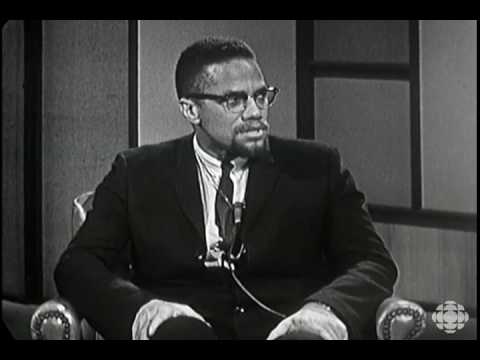
In this clip from 1965, after leaving the Nation of Islam, Malcolm X appears on CBC-TV's 'Front Page Challenge' weeks Read more

I Have a Dream" is a public speech that was delivered by American civil rights activist Martin Luther King Jr. Read more

✪This one important person in Oprah Winfrey's life wanted nothing to do with her until she was famous. Years later, Read more
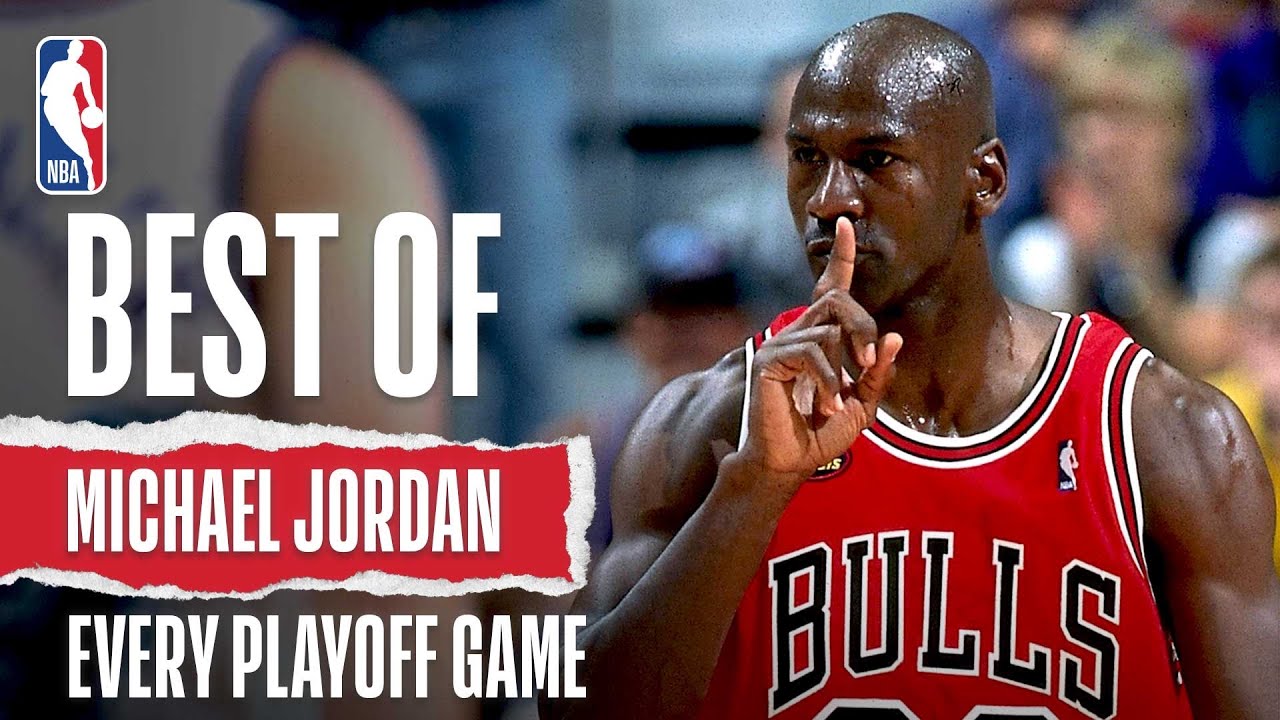
Relive the BEST OF Michael Jordan's playoff games through the years! Subscribe to the NBA: https://on.nba.com/2JX5gSN Full Game Highlights Playlist: Read more
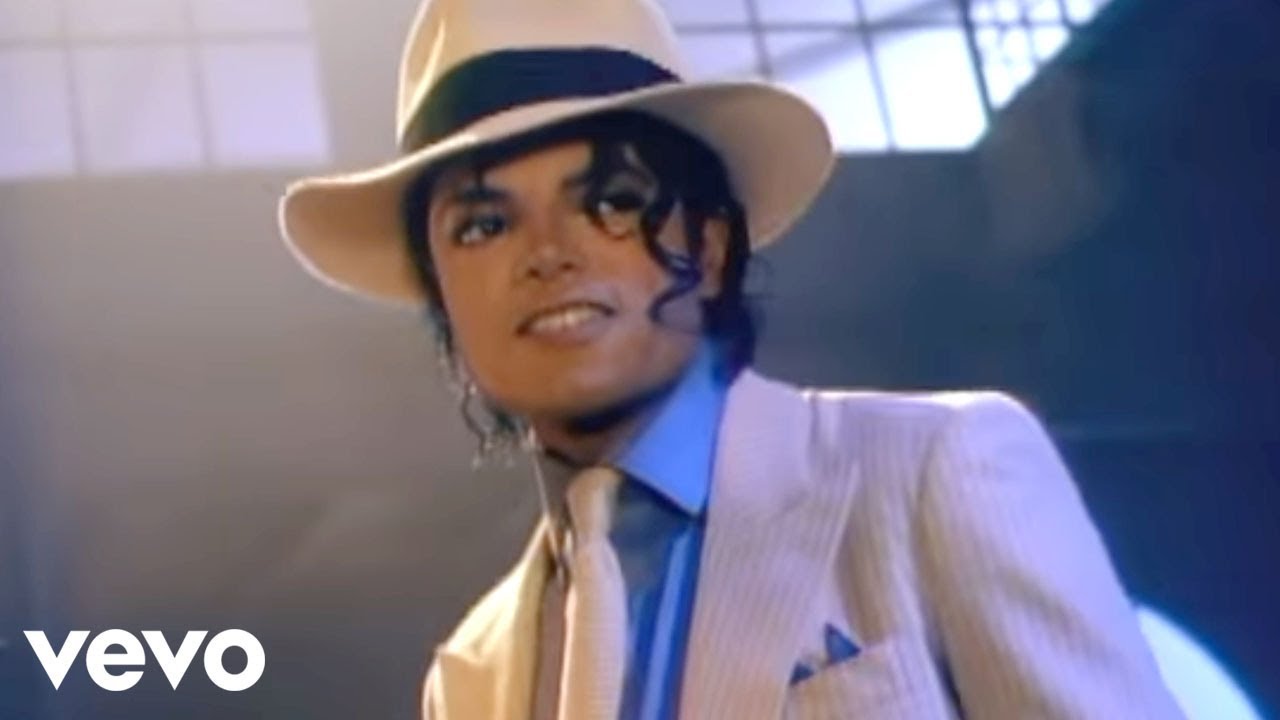
The short film for Michael Jackson's ""Smooth Criminal"" was the centerpiece of the feature film Moonwalker, and featured the debut Read more


Paul Pierce and Zach Lowe join Rachel Nichols on The Jump for “Make or Miss,” to discuss Zach LaVine, Steph Read more

Watch the highlights of Serena Williams vs Simona Halep at Australian Open 2021. News from the #1 sports destination and Read more
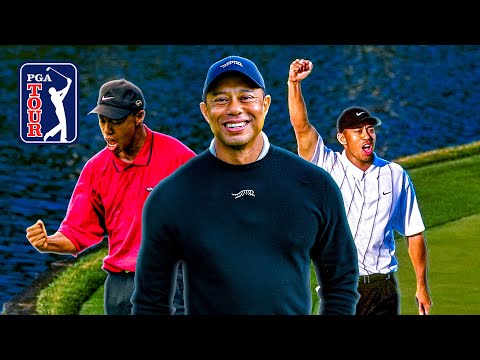
Check out the Top-10 shots of Tiger Woods' career on the PGA TOUR (excluding majors), feature incredible putting, clutch hole Read more