
SNAP Cuts From ‘One Big Beautiful Bill’ Threaten Black, Rural Communities In The South, New Research Asserts
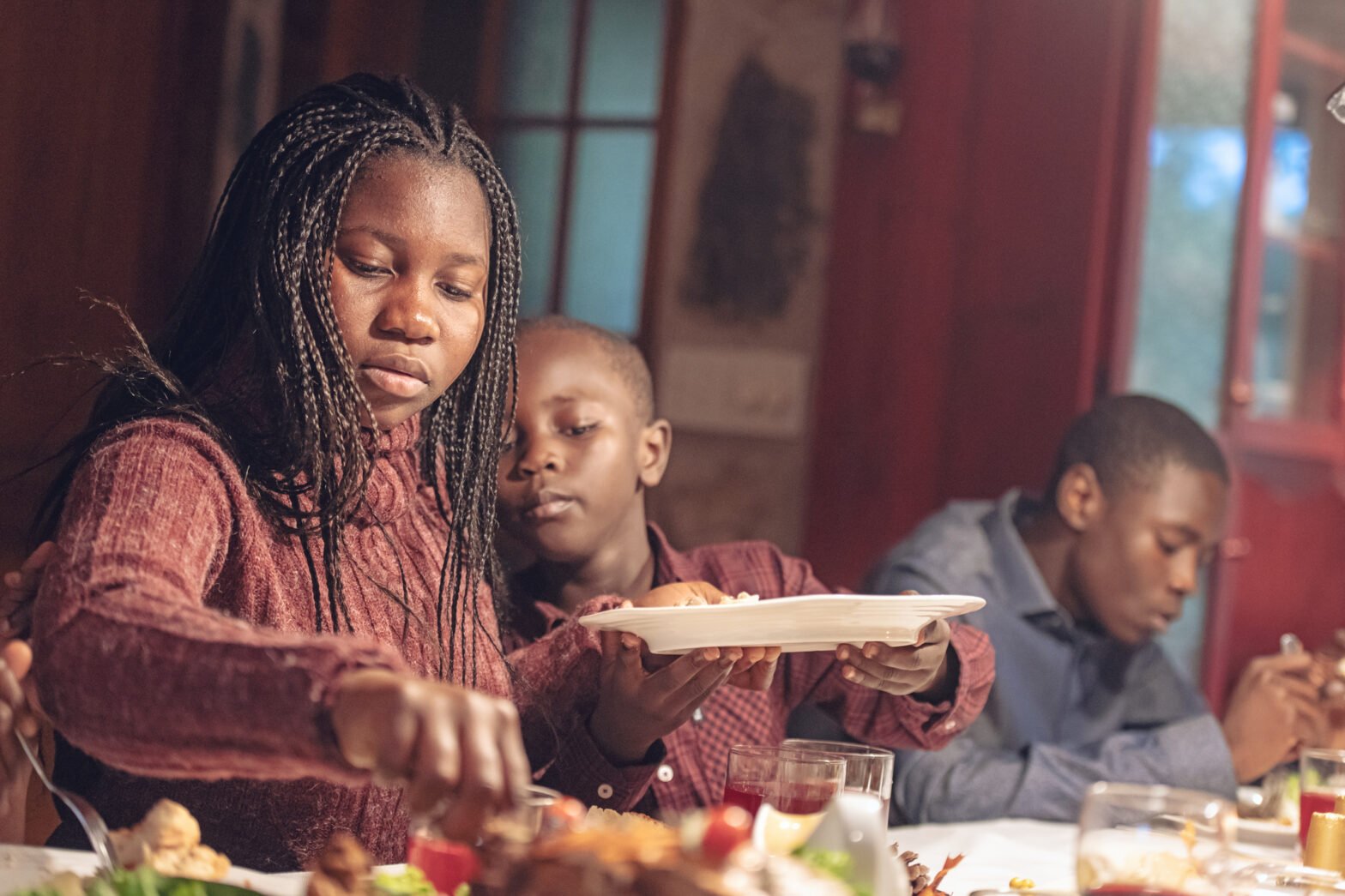
Black communities across the Deep South could significantly be affected as new cuts to the Supplemental Nutrition Assistance Program (SNAP) take effect, according to new research from the Southern Poverty Law Center.
How the “One Big Beautiful Bill” affected SNAP recipients in the Deep South
The warning comes just over a year after the Trump administration signed the “One Big Beautiful Bill” (H.R. 1) into law. The SPLC released new research during Hunger Action Month examining the impact of nearly $190 billion in cuts to SNAP, including how the legislation has affected access to food assistance and how states across the Deep South are responding to the resulting funding gaps, according to a news release.
The research comes as millions of people across the region continue to rely on SNAP to help put food on the table, while longstanding disparities in food assistance policies have disproportionately affected Black and rural communities.
“The decision to cut families off from SNAP to help pay for tax breaks for the extraordinarily wealthy showed blatant disregard for the reality that everyday people, especially in the Deep South, have been living,” Gina Azito Thompson, policy analyst at the SPLC, said in a news release statement.
SNAP enrollment falls across the Deep South
The impact of H.R. 1 has also affected states, which are facing higher costs to administer SNAP.
The federal government previously covered half of SNAP’s administrative costs, but states will now cover 75% of those expenses. States could also face financial penalties for inaccuracies in distributing assistance.
By fiscal year 2028, which begins in October 2027, states could have to spend hundreds of millions of dollars more to maintain the same number of people enrolled in SNAP.
“Our states are already feeling the dire consequences of H.R. 1 cuts on their budgets. And while they have increased funding to cover the added administrative costs of SNAP for next year, these are temporary fixes that sometimes end up pulling money from other critical programs like childcare assistance,” Theresa Lau, senior policy counsel at the SPLC, said.
SPLC pushes for solutions to address food insecurity
The SPLC’s research also outlines actions federal and state governments can take to strengthen food assistance and healthcare programs affected by the legislation.
The organization noted that poverty, food insecurity, poor nutrition and health are closely connected, making access to these programs especially important for communities across the Deep South.
Earlier this year, the SPLC launched its “Poverty Is Not a Line” campaign to highlight the experiences of people living in poverty and advocate for policy solutions. The organization is also encouraging community members to help address hunger by donating to or volunteering at local food banks.
If you look at the history worldwide, Black people have contributed more than anybody else. They have contributed to almost Read more

The official version of Logic's "Soul Food" audio off his 'Under Pressure' album which is out now on Visionary Music Read more
For the 50 million kids who attend public schools in the US, the 2020 election is personal. Watch more 2020 Read more

In this clip from 1965, after leaving the Nation of Islam, Malcolm X appears on CBC-TV's 'Front Page Challenge' weeks Read more

I Have a Dream" is a public speech that was delivered by American civil rights activist Martin Luther King Jr. Read more

✪This one important person in Oprah Winfrey's life wanted nothing to do with her until she was famous. Years later, Read more

Relive the BEST OF Michael Jordan's playoff games through the years! Subscribe to the NBA: https://on.nba.com/2JX5gSN Full Game Highlights Playlist: Read more

The short film for Michael Jackson's ""Smooth Criminal"" was the centerpiece of the feature film Moonwalker, and featured the debut Read more


Paul Pierce and Zach Lowe join Rachel Nichols on The Jump for “Make or Miss,” to discuss Zach LaVine, Steph Read more

Watch the highlights of Serena Williams vs Simona Halep at Australian Open 2021. News from the #1 sports destination and Read more

Check out the Top-10 shots of Tiger Woods' career on the PGA TOUR (excluding majors), feature incredible putting, clutch hole Read more