
Skin Cancer Awareness Month: Why Melanin Isn’t A Shield

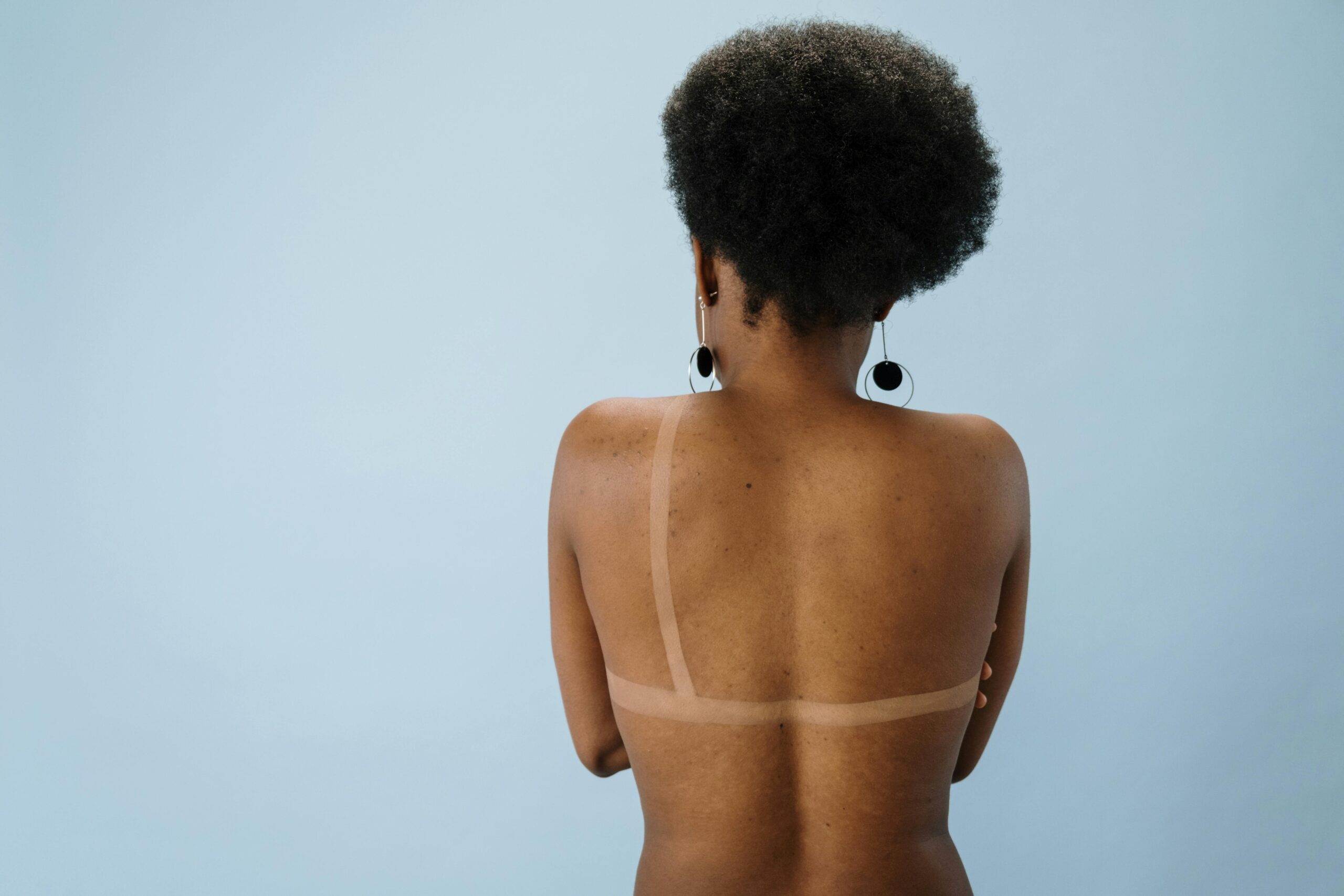
May brings the promise of warm weather, beach days and summer cookouts, but it also brings an important health milestone: Skin Cancer Awareness Month. While we prepare to spend more time outdoors, it is time to bust one of the most dangerous, pervasive myths: the idea that having melanin-rich skin makes you immune to skin cancer.
While melanin does provide some natural protection against the sun, nobody is immune. In fact, because of this dangerous misconception, when Black people are diagnosed with skin cancer, it is often caught at a much later, more dangerous stage. Let’s break down exactly what skin cancer is, how it affects our bodies and the proactive steps you can take today to protect your glow and your life.
What is skin cancer?
Skin cancer is the abnormal, uncontrolled growth of skin cells. It is the most common type of cancer in the United States. According to the Skin Cancer Foundation, one out of five Americans is at greater risk of developing skin cancer by age 70.
As noted by the Centers for Disease Control and Prevention (CDC), skin cancer typically develops on areas of the body that receive the most sun exposure, such as the scalp, face, lips, ears, neck, chest, arms and hands. However, it can also form in areas that rarely see the light of day, including your palms, the soles of your feet and underneath your fingernails or toenails. This hidden presentation is especially common in people of color.
What’s happening in your body?
To understand how skin cancer forms, you have to look at your DNA. Your skin is made of several layers of cells, including basal cells, squamous cells and melanocytes (the cells that produce melanin and give your skin its color).
Dr. Justus Rabach, MD, explains, “When your skin is exposed to harmful ultraviolet (UV) radiation from the sun or tanning beds, it acts like a microscopic laser, damaging the DNA in your skin cells. Usually, your body repairs this damage. But if the damage is severe or frequent, the DNA mutates. These mutated cells forget how to die off normally. Instead, they begin to multiply out of control, eventually forming a mass of cancer cells (a tumor) that can invade surrounding tissues.”
Causes of skin cancer
The primary culprit behind skin cancer is environmental, but genetics and biology also play a massive role.
The leading cause of most skin cancers is overexposure to ultraviolet (UV) radiation from the sun and artificial sources such as tanning beds and sunlamps. UV rays physically alter the cellular structure of your skin, the World Health Organization reports.
For Black people and other people of color, the narrative is slightly different. The most common type of melanoma found in people with dark skin is called Acral Lentiginous Melanoma (ALM), according to a PMC publication.
Interestingly, ALM is not caused by sun exposure. Genetic mutations cause it and primarily appear on the palms of the hands, soles of the feet or as a dark stripe under the fingernails or toenails (this is the type of cancer that tragically took the life of reggae legend Bob Marley), notes the Skin Cancer Foundation.
Health risks and complications
If caught early, almost all types of skin cancer can be successfully treated and cured. However, the risks skyrocket if the cancer is ignored.
As noted by the Cleveland Clinic, the most severe complication is metastasis. If a malignant melanoma is not removed, it can grow downward, penetrating the deeper layers of the skin. Once it reaches your bloodstream or lymphatic system, the cancer cells can travel and spread to your internal organs, including your lungs, liver and brain, becoming deadly.
Furthermore, allowing non-melanoma skin cancers (like basal cell carcinoma) to grow for years can lead to severe disfigurement, requiring massive reconstructive surgery on the face or body.
What to do about skin cancer
Prevention and early detection are your two strongest weapons against skin cancer. You must protect your skin from the outside and monitor it closely from the inside.
Wear sunscreen daily: Yes, Black people need sunscreen, explains Healthline. You should apply a broad-spectrum sunscreen with an SPF of at least 30 every day, even on cloudy days. Look for “invisible” or chemical sunscreens that will not leave a white, chalky cast on dark skin.
Monthly skin checks: Once a month, grab a mirror and do a full-body scan. As explained by the American Cancer Society, you’ll want to check your face, back and arms, but also look closely at the palms of your hands, the soles of your feet and underneath your nails.
The ABCDEs of Melanoma: When doing your monthly skin check, use the ABCDE rule to spot the warning signs of a dangerous mole, the Cleveland Clinic suggests:
- A – Asymmetry: One half of the mole does not match the other.
- B – Border: The edges are irregular, ragged or blurred.
- C – Color: The color is not the same all over and may include shades of brown, black, blue, white or red.
- D – Diameter: The spot is larger than six millimeters across (about the size of a pencil eraser).
- E – Evolving: The mole is actively changing in size, shape, color or is beginning to itch or bleed.
When to see a doctor
You know your body best. If you notice a spot on your skin that violates any of the ABCDE rules, schedule an appointment with a board-certified dermatologist immediately.
Additionally, look out for the “Ugly Duckling” sign. If you have many moles, they generally look similar to one another. If you have one mole that looks completely different from all the rest, an “ugly duckling,” it is a major red flag. You should also see a doctor if you have a sore that has not healed after several weeks, or a dark unexplained streak under your fingernail that does not grow out over time.
“Experiencing five or more blistering sunburns between the ages of 15 and 20 can increase an individual’s melanoma risk by 80%,” says Dr. Sara Moghaddam, a board-certified dermatologist and Mohs surgeon who practices at Delmarva Skin Specialists in Selbyville, Delaware.
What are the four types of skin cancer?
- Basal Cell Carcinoma (BCC): The most common and highly treatable type, often appearing as a slightly transparent bump on sun-exposed skin.
- Squamous Cell Carcinoma (SCC): The second most common type, frequently appearing as a firm, red nodule or a flat lesion with a scaly, crusted surface.
- Melanoma: The most dangerous form of skin cancer because it spreads rapidly; it develops in the melanocytes and often resembles a changing, irregular mole.
- Merkel Cell Carcinoma (MCC): A very rare, highly aggressive skin cancer that appears as a fast-growing, painless, shiny nodule on or just beneath the skin.
What can be mistaken for skin cancer?
Many harmless skin conditions can mimic the appearance of skin cancer, often leading to unnecessary anxiety for individuals who notice new or changing spots on their bodies. For instance, seborrheic keratoses are incredibly common as we age; these raised, warty, brown or black growths often have a characteristic “stuck-on” appearance that can look suspicious to the untrained eye, yet they are entirely benign. Similarly, cherry angiomas are small, bright red bumps made of clusters of blood vessels; while their sudden appearance might be startling, they are merely harmless vascular growths.
Dermatofibromas are another common mimic; these hard, firm bumps often develop as a reaction to minor trauma, such as a bug bite or an ingrown hair, and typically feel like a small pea beneath the skin. Even ordinary, benign moles or freckles can occasionally exhibit irregular borders or colors that resemble the ABCDEs of melanoma.
Because these non-cancerous conditions share visual features with malignancies such as basal cell carcinoma or melanoma, it is crucial to consult a dermatologist for a professional skin check. A trained expert can use tools such as dermoscopy to distinguish between a simple cosmetic nuisance and a genuine health concern, providing peace of mind or early intervention when necessary.
Bottom line
Skin cancer is the uncontrolled growth of mutated skin cells, primarily caused by UV radiation but also driven by genetics in certain rare subtypes that affect people of color. While highly treatable if caught early, it can become deadly if it spreads to internal organs, making daily broad-spectrum sunscreen and monthly ABCDE self-checks essential for every skin tone. Do not let the myth of melanin immunity stop you from checking your body and seeing a dermatologist for any new, changing or unusual spots.
Frequently Asked Questions
What type of skin cancer is usually most serious?
Melanoma is by far the most serious and deadly type of skin cancer because it has a very high tendency to spread (metastasize) to other parts of the body if it is not caught and removed early.
Where is the most common site for melanoma?
In men, melanoma is most commonly found on the chest and back; in women, on the legs; and in people with darker skin, on the palms of the hands, soles of the feet and under the nails.
Citations
Sarnoff D. Skin Cancer Information – The Skin Cancer Foundation. The Skin Cancer Foundation. Published 2018. https://www.skincancer.org/skin-cancer-information/
Centers for Disease Control and Prevention. Sun Safety Facts. Skin Cancer. Published May 3, 2024. https://www.cdc.gov/skin-cancer/sun-safety/index.html
World Health Organization. Ultraviolet Radiation. World Health Organization. Published June 21, 2022. https://www.who.int/news-room/fact-sheets/detail/ultraviolet-radiation
Nadelmann ER, Singh AK, Abbruzzese M, et al. Acral Melanoma in Skin of Color: Current Insights and Future Directions: A Narrative Review. Cancers. 2025;17(3):468. doi:https://doi.org/10.3390/cancers17030468
Skin Cancer Foundation. Bob Marley Should Not Have Died from Melanoma. The Skin Cancer Foundation. Published February 2, 2022. https://www.skincancer.org/blog/bob-marley-should-not-have-died-from-melanoma/
Healthline. Can Black People Get Skin Cancer? Healthline. Published July 6, 2021. https://www.healthline.com/health/skin-cancer/can-black-people-get-skin-cancer
American Cancer Society. How to Do a Skin Self-Exam. www.cancer.org. Published July 23, 2019. https://www.cancer.org/cancer/risk-prevention/sun-and-uv/skin-exams.html
Cleveland Clinic. Skin Self Exam. Cleveland Clinic. Published 2025. https://my.clevelandclinic.org/health/diagnostics/8648-skin-self-exam

If you look at the history worldwide, Black people have contributed more than anybody else. They have contributed to almost Read more

The official version of Logic's "Soul Food" audio off his 'Under Pressure' album which is out now on Visionary Music Read more

For the 50 million kids who attend public schools in the US, the 2020 election is personal. Watch more 2020 Read more

In this clip from 1965, after leaving the Nation of Islam, Malcolm X appears on CBC-TV's 'Front Page Challenge' weeks Read more

I Have a Dream" is a public speech that was delivered by American civil rights activist Martin Luther King Jr. Read more

✪This one important person in Oprah Winfrey's life wanted nothing to do with her until she was famous. Years later, Read more

Relive the BEST OF Michael Jordan's playoff games through the years! Subscribe to the NBA: https://on.nba.com/2JX5gSN Full Game Highlights Playlist: Read more

The short film for Michael Jackson's ""Smooth Criminal"" was the centerpiece of the feature film Moonwalker, and featured the debut Read more


Paul Pierce and Zach Lowe join Rachel Nichols on The Jump for “Make or Miss,” to discuss Zach LaVine, Steph Read more

Watch the highlights of Serena Williams vs Simona Halep at Australian Open 2021. News from the #1 sports destination and Read more

Check out the Top-10 shots of Tiger Woods' career on the PGA TOUR (excluding majors), feature incredible putting, clutch hole Read more