
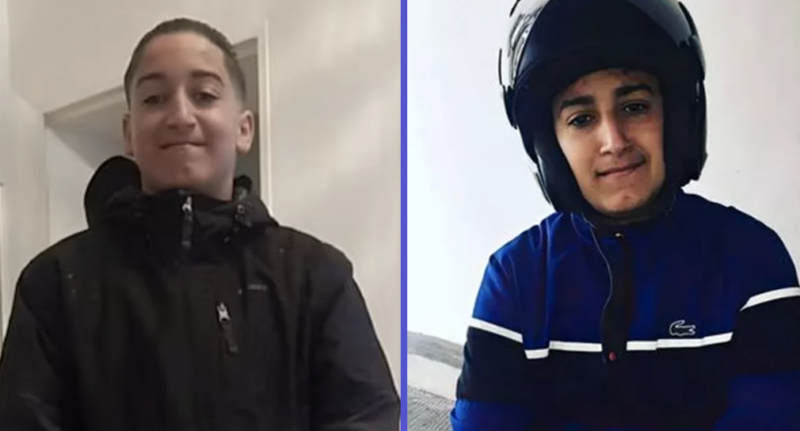
Protests, Riots Rock France After Police Killing of Teenage Boy
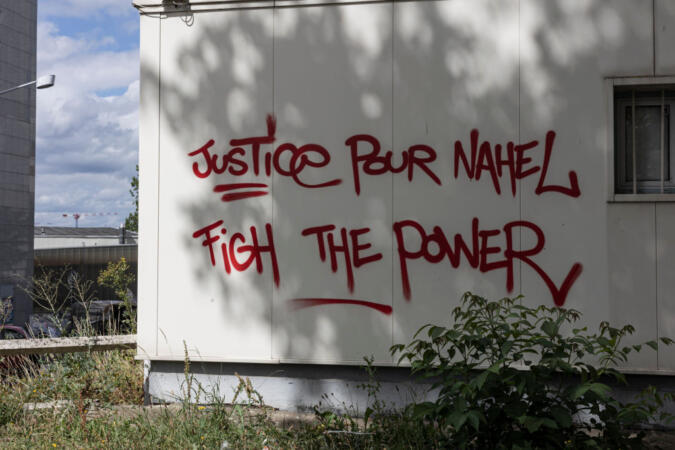
Protests against Merzouk’s death started Tuesday night and have continued for a week. The unrest in France has been severe. The protests, which began in Nanterre, have spread across Paris and other cities such as Marseilles and Lyon. Thousands of people have been arrested by French police, and thousands of vehicles and hundreds of buildings have been burned and/or destroyed. Several attacks have been committed against public officials. Most notably, the home of the mayor of a Paris suburb was rammed by a burning car in an “assassination attempt” that injured the mayor’s wife and one of their children.
France has deployed 45,000 police officers to fight the unrest, and many people have called for President Emmanuel Macron to declare a state of emergency in the country. Right-wing politicians and their supporters are using the riots to further condemn immigrants in the country, while advocates for reform point toward the root causes of poverty and discrimination against Black and brown people in the country.
The unrest reflects decades of discrimination and bias against immigrants in France, particularly Muslims and people of North African descent. French colonization of nearby Algeria ended in 1962 after that country fought a long and bloody war against French forces occupying the country. France has maintained connections with Algeria and other African countries, creating large immigrant communities in France that often face racism, Islamophobia and xenophobia from the predominantly white and secular majority population. The protests and violence in France have spread to Switzerland and Belgium as well, though on a smaller level than in France.
For the 50 million kids who attend public schools in the US, the 2020 election is personal. Watch more 2020 Read more

A police union in Philadelphia has demanded its members be paid to wear body cameras. The Fraternal Order of Police Read more
A driver has come forward, turning himself in on Wednesday for the hit-and-run accident that resulted in the death of Read more

A woman who oversaw a murderous religious cult in Florida in the 1980s was sentenced to 30 years in prison on Read more
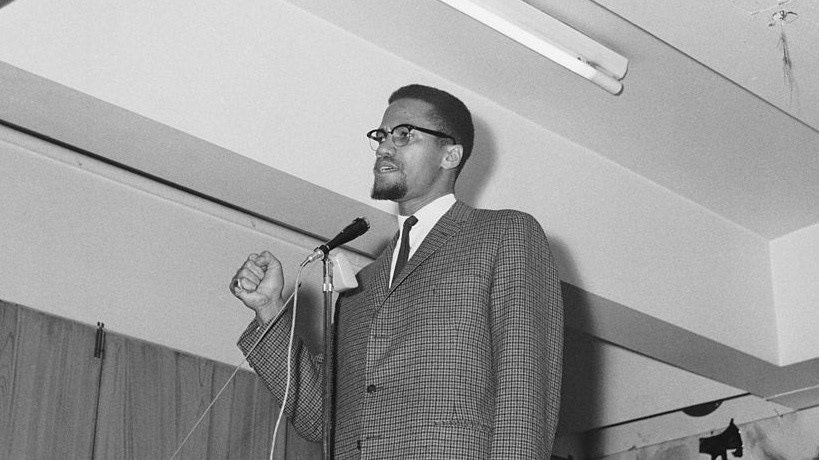
A former NYPD police officer had a dying wish to have his letter, in which he admits he'd been a Read more

The Chicago Police Department are at the center of a lawsuit around footage of an arrest. Leroy Kennedy IV was Read more

PLANO, Texas (AP) — A misdemeanor charge has been dropped against a Black man who was arrested last week for Read more

A Baton Rouge, Louisiana police officer was captured on video arresting a 13-year-old Black teen has gone viral prompting an Read more

The family of a 12-year-old boy has been pleading with the Atlanta community for help in searching for the person responsible Read more
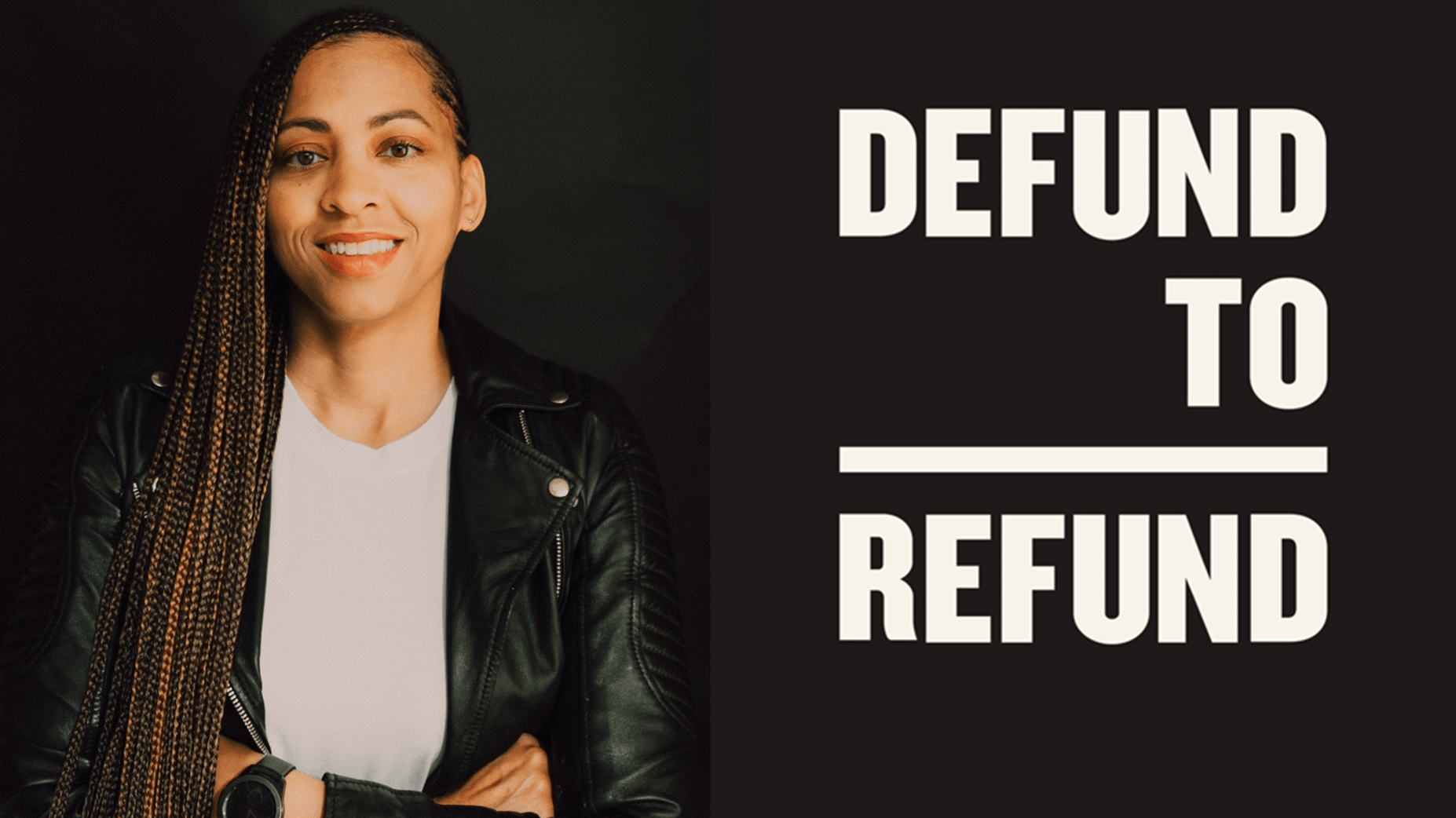
A new digital platform seeks to shift the conversation around police reform.Defund to Refund, a story-based digital platform which launched Read more

Update (February 27, 2021): One week following the release of a letter allegedly written by deceased former NYPD officer Raymond Wood, implicating Read more

[Lyrics Below] Remember when we were kids and didn't see color? Like, Comment, and Share... Proceeds going to Campaign Zero Read more