
Mentorship Plays Vital Role In Minority Communities: 7 Organizations To Support

Supportive relationships and mentorship for the youth are critical, especially for Black children. Mentors play a significant role in helping kids navigate life in several areas. Whether their guidance is social, educational, emotional, or mental, mentors stand in the gap for kids and ensure positive development.
The Chronicle of Evidence-Based Mentoring shared results from a survey conducted by the Journal of Adolescent Research. It concluded that Black mentees ages 15-21 enjoyed having someone in their life in a mentorship role.
The mentees expressed having someone in their life within that space made them feel heard and helped improve their self-confidence and sense of self. Through the mentorship, they also found an outlet when needing to vent about family issues and had someone to confide in even about romantic relationships, sexual identity and physical and mental health. The mentees followed up, noting having a mentor who shared their same racial or sexual origin was also a plus.
A similar study completed by Mentor Canda delved into the lasting effects of mentorship. It reported that 49%-51% of youth claim their mentors helped them acquire academic or school-related, job and life skills; 50% felt their mentor helped them connect to their culture; and up to 34% said their mentor helped them transition into adulthood after leaving their parents (school, career, first job).
The roles of a mentor look different for every mentee and can come in several forms. The standard after-school homework help and chat about their school day has evolved into career development, emotional counsel, social enrichment and advocacy.
The Hidden Genius Program
M.E.A.N. (Manage Emotions Avoid Negativity) Girls Empowerment Inc.
M.E.N. (Mentoring, Educating, Nurturing) Incorporated
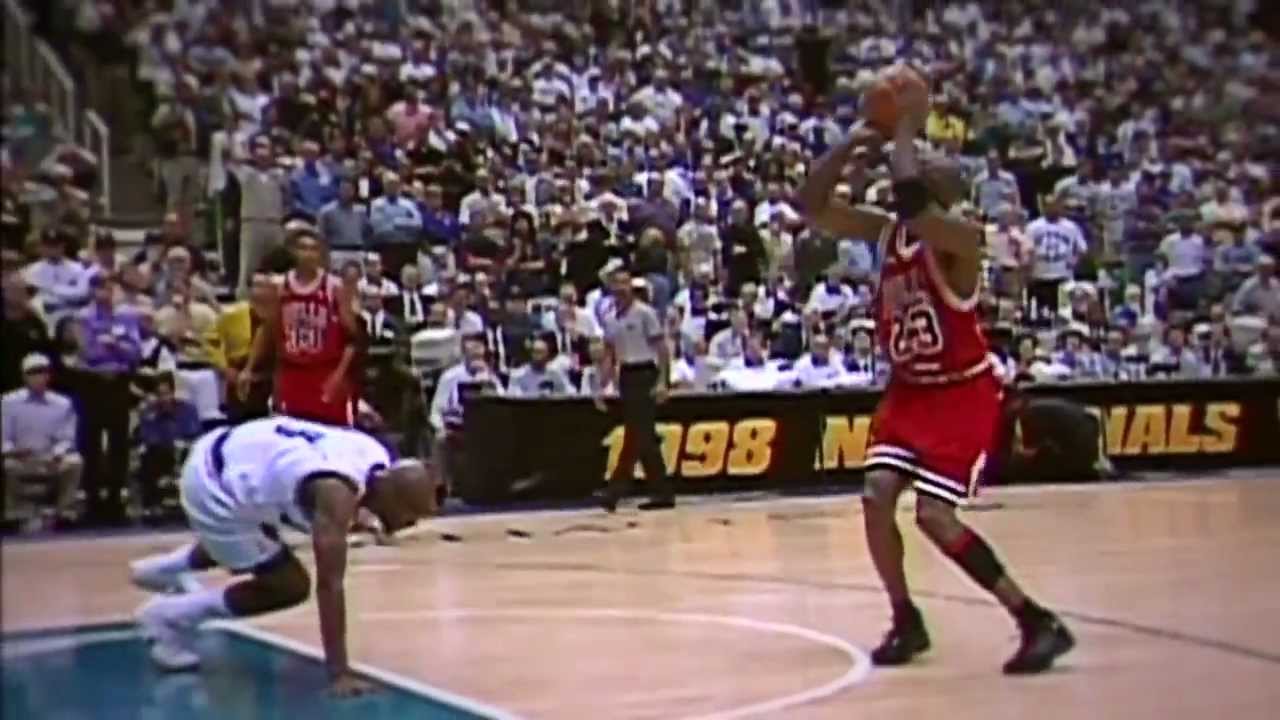
Want to learn how to dunk like MJ ? Take the course below : https://bit.ly/33rAlsB Happy 50th Birthday Michael Jordan! Read more
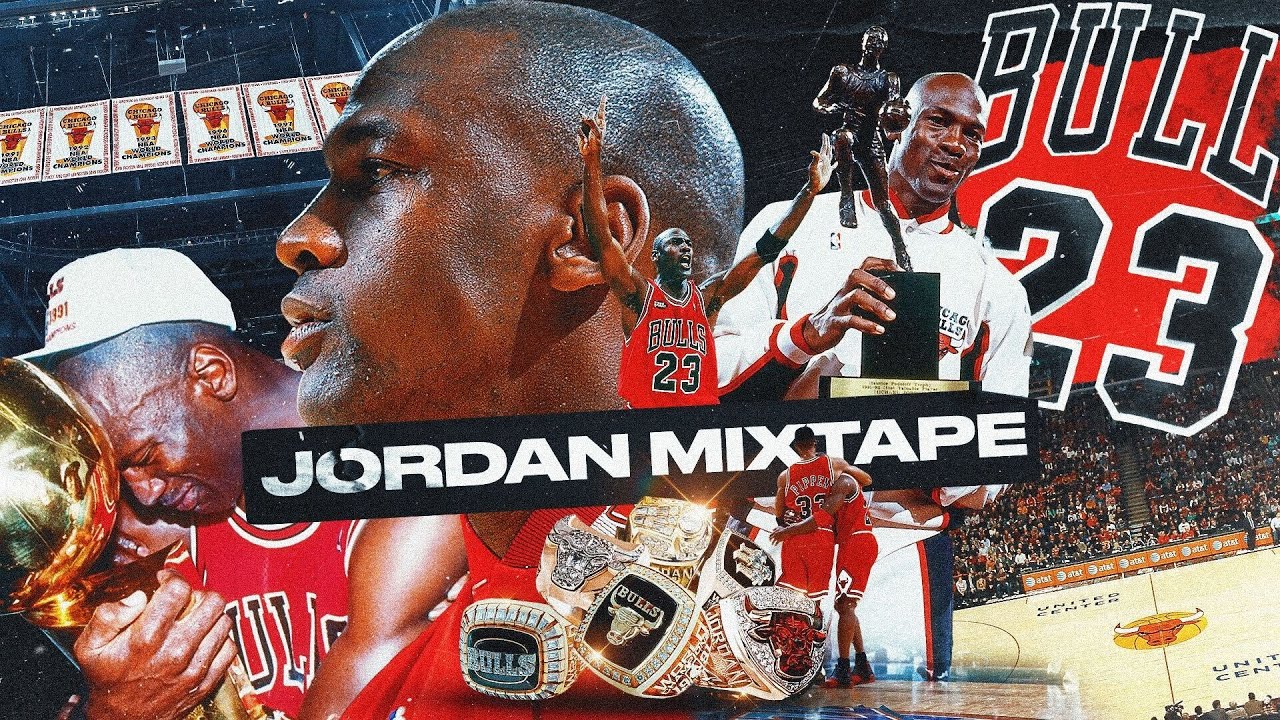
Check out the BEST of Jordan's career as a Chicago Bull with the Michael Jordan mixtape! Subscribe to the NBA: Read more
Check out the best plays of the decade from Stephen Curry! Subscribe to the NBA: https://on.nba.com/2JX5gSN Full Game Highlights Playlist: Read more

If you’re interested in sharing your opinion on any cultural, political or personal topic, create an account here and check out our how-to Read more

(BPRW) Minority-Owned Global Transformational Communities Solutions to Collaborate with Delos to Advance Equitable Access to Healthier Spaces Initiative aims to Read more
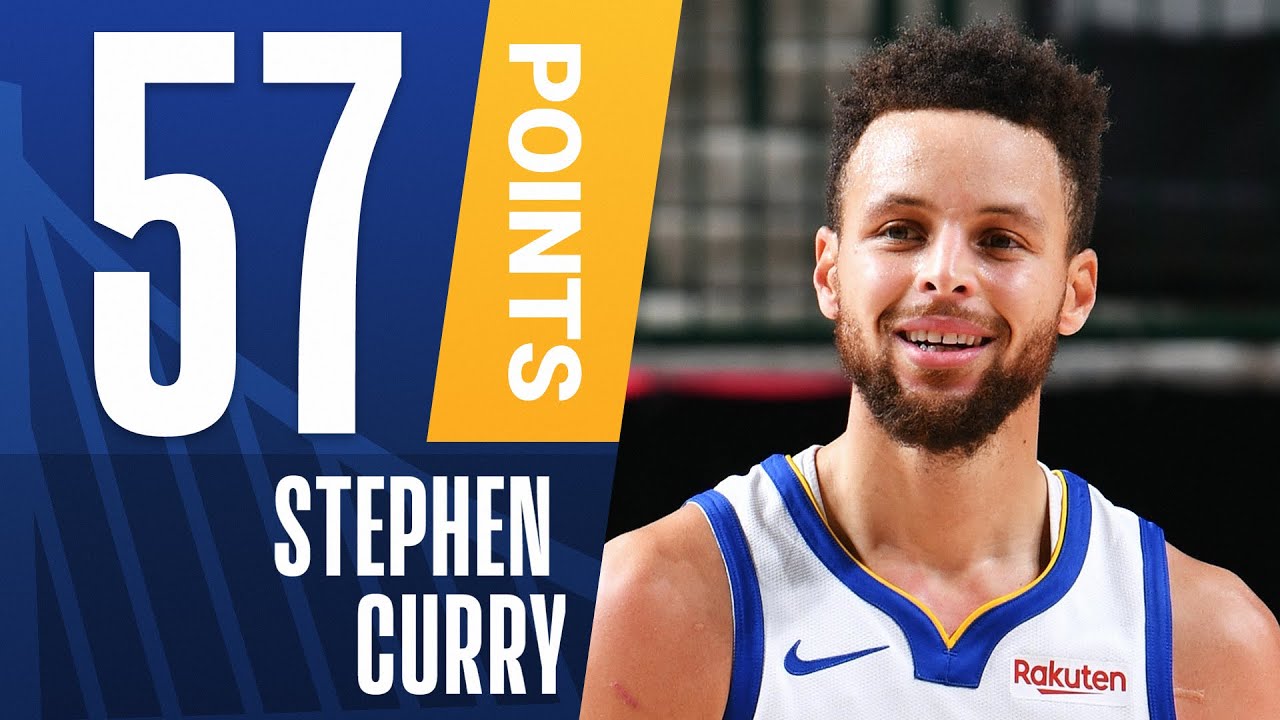
Stephen Curry GOES OFF for 57 PTS & 11 THREES on the road against the Dallas Mavericks. 🔥 57 POINTS Read more

As LeBron James celebrates his 35th birthday today, check out his top 35 plays from his career so far. Subscribe Read more

Black Excellist: Top 10 Richest Black Communities in North Carolina http://www.blackexcellist.com ---------------------------------------------- Business Inquiries, Partnerships, & Suggestions blackexcellist@gmail.com ---------------------------------------------- African Read more
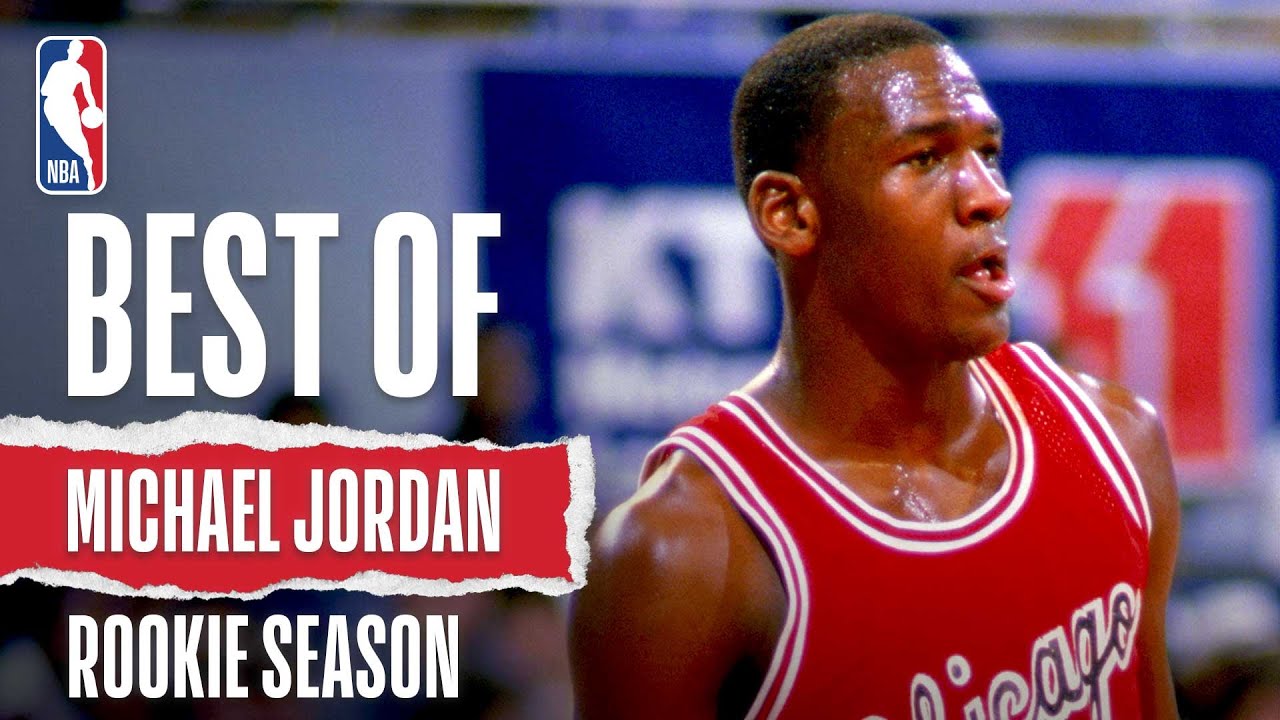
Look back at the best moments from MJ's rookie season! The Last Dance continues Sunday, April 26 at 9:00 PM Read more
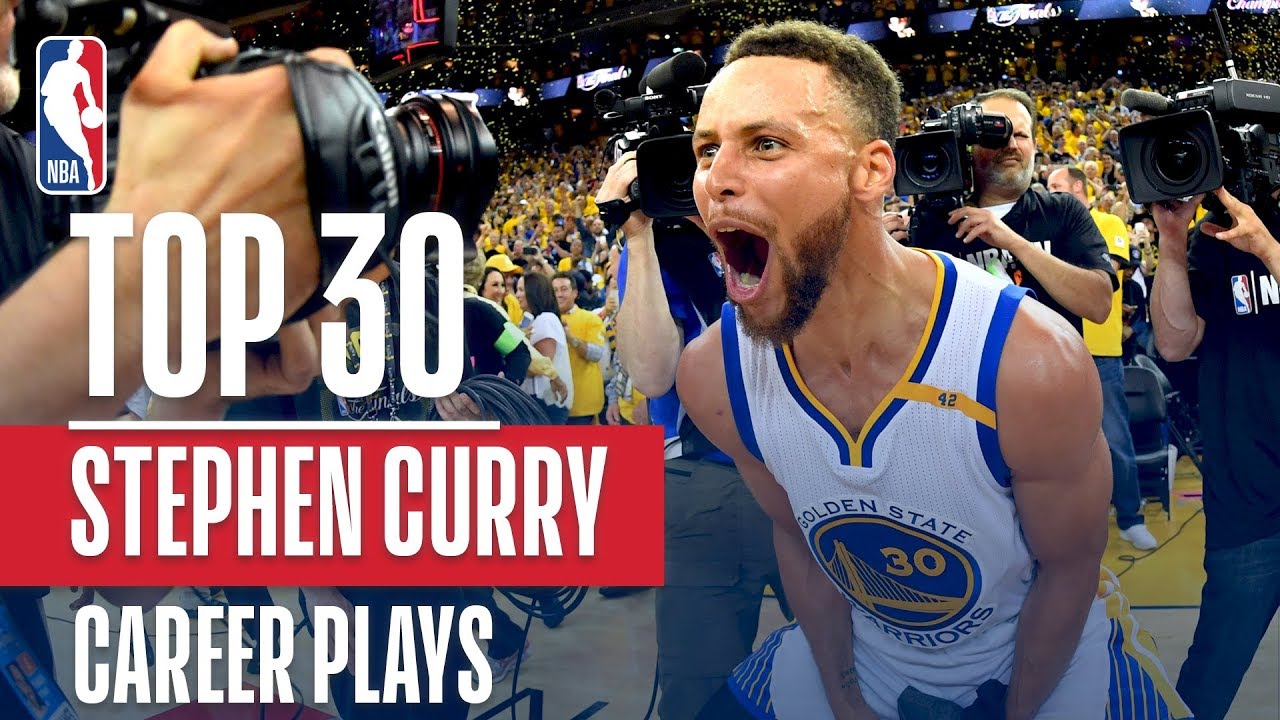
To celebrate Stephen Curry's 30th birthday, check out his top 30 plays of his career! Subscribe to the NBA: http://bit.ly/2rCglzY Read more

https://www.patreon.com/SeandavidNBA - If you want to support me check out my Podcast: https://open.spotify.com/show/0OKcb4xZSGwztc4r4r9l3i source

In the summer of 2014, Michael Jr. was gunned down by police officer Darren Wilson, per CNN. The 18-year-old’s death sparked Read more