

Louisiana Teacher Starts Black Newspaper Now Being Preserved
“There was not much news in The Daily Iberian for Blacks, and Blacks were doing some amazing things,” Campbell said. “But they were not being publicized. So I thought, ‘Let’s see if we can change a little bit of that.‘”
Campbell founded The Ebony Journal, Iberia Parish’s first Black-owned newspaper since Reconstruction, to fill a gap she was seeing not only in her hometown paper but across the region.
“I enjoyed reading the newspaper because it gave you a picture of what’s going on,” she said. “I wanted to give a vision for the Black communities in Acadiana.”
With the help of a few other reporters, Campbell spent her weekends covering events and interviewing people she knew in communities across Acadiana, contacts she’d made through her more than six decades of teaching in schools in Iberia and St. Mary parishes. Then she typed up the reports at home and dropped them at the printer when she’d go to her second job. She published the newspaper for 20 years, retiring from journalism in 2005 before retiring from teaching four years later.
“I enjoyed all of it, but my hair was getting gray so I had to retire,” the 89-year-old said with a laugh.
Now the Iberia African American Historical Society is working in conjunction with archivist and digitization specialists from the University of Louisiana at Lafayette Ernest Gaines Center and the UL Center for Louisiana Studies to preserve Campbell’s collection of The Ebony Journal.
“I’m grateful,” Campbell said. “It will help the paper to survive.”
The newspaper was the second of its kind in Iberia Parish. During Reconstruction, African American businessmen and political leaders, Samuel Wakefield and Louis Snaer, were co-editors and co-proprietors of the newspaper, Iberia Banner.
Campbell was born and raised in New Iberia. Shel graduated from high school in 1950 and moved to the West Coast to study political science at Los Angeles City College and San Francisco City College. Her hope was to eventually go to law school, but family urged her to return home.
“I wanted to go to UCLA but my mama dragged me home,” she said.
She returned in 1957 to a segregated south Louisiana, and her mother was afraid for their family if Campbell, a young Black woman, pursued law school close to home. So, she shifted her plans to teaching, completing degrees in education at Southern University and then UL. She went on to teach English and social studies at middle and high schools in Acadiana for 63 years. She even substituted a few years after retirement.
Campbell and her camera often could be seen at community events around the parish, covering news from local churches, schools, businesses and organizations and featuring members of the local Black community in The Ebony Journal. Copies of her newspaper were deteriorating, as newspaper print becomes fragile and unstable over time. The papers had been stored for decades in non-archival containers and exposed to moisture, dust and mold, the Iberia African American Historical Society said in a news release. The newsprint now is under the care of UL archivist and preservationist Cheylon Woods. In a slow, multi-step process to preserve the collection, Woods first froze the newspapers in small batches to arrest the mold growth, the release said.
“The next step in the preservation process is to thaw the papers intravenously,” Woods said.
Woods will then attempt to repair the paper where possible. She has been an archivist for more than a decade, the last six years at the Ernest Gaines Center.
“I’m always very excited to get to work with especially rural Black communities to preserve their community and culture as they define it,” Woods said. “When we preserve The Ebony Journal or things like it that concern what we call counter-narratives, they fill the information gaps for a lot of people.”
Archiving The Ebony Journal will fill gaps for not only the people of the communities it served but also those who come long after.
“Newspapers do a good job of giving an overview of the ideology of the people connected to it,” Woods said. “A lot of research has been done on New Iberia, but it was lacking in the Black experience. This will fill that gap and make the information more accessible to future researchers.”
Once Woods finishes her work, the newspapers will then be transferred to the UL Digitization Center with the UL Center for Louisiana Studies under the supervision of Director John Sharpe, who will make a high-resolution scan of each page. Finally, the restored newspapers will be returned to Campbell in proper archival boxes along with digital copies of her collection.

More than a quarter of professional footballers in Europe's top leagues are Black. But in all 98 head coaching positions Read more

A Maryland resident is breaking barriers as an entrepreneur, becoming the first Black woman to solely own a tequila brand. Tiffany Hainesworth Read more
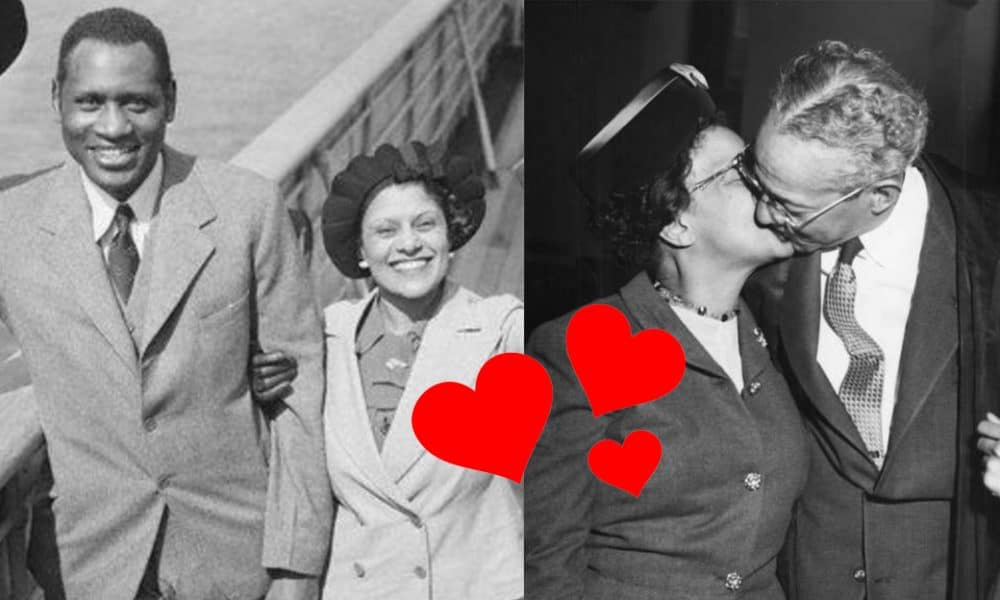
Beautiful Black fraternity and sorority couples have existed over 100 years so let’s celebrate their love. We’ve compiled a list Read more

“Black Men Teach is trying to get Black men in elementary school classrooms,” Markus Flynn, executive director of Black Men Read more

California home owners experienced racism and discrimination when they were getting an appraisal for their Bay Area home. “It was Read more

A weeklong series emphasizing investment in Black cis and trans girls is having its inaugural launch this week.Through virtual programming, Read more
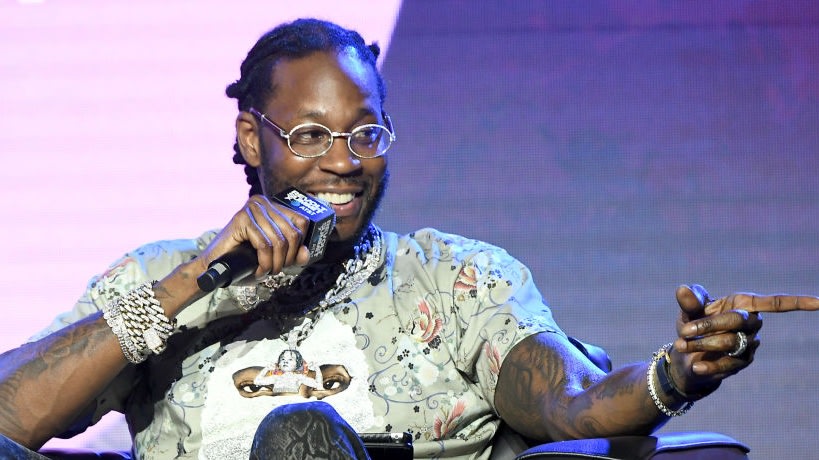
As the celebration of Black History Month continues around the country, 2 Chainz honored the special time of the year Read more

Top 10 American Black Billionaires (+ Up&Comings) http://www.blackexcellist.com ---------------------------------------------- Business Inquiries, Partnerships, & Suggestions blackexcellist@gmail.com Support the Movement w/$25 * Read more

Donate to DJ SkyWalker: https://paypal.me/pools/c/8qNqWU4tVr DJ SkyWalker jetzt auch als Artist KINKO 069 in der DeutschRap Szene. Eigene Produktion mit Read more

So you are dating a member of a Black fraternity, you are over at his house and it is cold. Read more

Essential Black authors to read: Ibram X Kendi & Jason Reynolds, Bakari Sellers, Eve Ewing, D.L. Hughley, Mikki Kendall, Mary Read more

Four Black teens were forced off a plane by flight attendants before takeoff claims they were not wearing mask according Read more