

Junius G. Groves earned the title “Potato King of the World” in 1902 for growing the most bushels of potatoes per acre than anyone else at the time
Junius G. Groves earned the title “Potato King of the World” in 1902 for growing the most bushels of potatoes per acre than anyone else at the time
In the early 20th century one of the most successful Black men in America was Junius G. Groves a self-educated farmer, landowner, and entrepreneur. Groves was born enslaved on April 12, 1859 in Green County, Kentucky. Two decades later as a freedman possessing ninety cents, Groves made his way to eastern Kansas during the Exoduster Movement of ex-slaves from the South. Groves started farming by sharecropping near Edwardsville, Kansas. In 1880, he married Matilda E. Stewart of Kansas City, Missouri. Within the next few years, the couple started purchasing their own land.
A lot of Groves’ success was due to his forty-six years of devotion to the science of agriculture earning the title “Potato King of the World” in 1902 for growing the most bushels of potatoes per acre than anyone else in the world at that time. The couple’s twelve children helped with the farm and the family business. Along with producing potatoes on his own farms, Groves, by 1900, bought and shipped potatoes, fruits and vegetables extensively throughout the United States, Mexico, and Canada. The family also owned and operated a general merchandise store in Edwardsville, which had stock in mines in Indian Territory and Mexico, stock in Kansas banks, and majority interest in the Kansas City Casket and Embalming Company. Junius Groves co-founded the State Negro Business League and would later served as its President.
Groves founded the Pleasant Hill Baptist Church Society in 1886. He was also elected secretary of the Kaw Valley Potato Association in 1890 and Vice President of the Sunflower State Agricultural Association in 1910 as well as a cofounder of both organizations in those years.
Junius Groves worked against racism by example and by providing economic opportunities to blacks and whites with a particular emphasis on uplifting his race. During the busy farming season, for example, Groves employed up to fifty mostly black laborers. Groves founded Groves Center, an African American community in the early 1900s. He also established a golf course for African Americans.
Junius Groves was one of the wealthiest African Americans in the nation by the first decade of the 20th Century. His holdings were estimated to be worth $80,000 in 1904 and $300,000 by 1915. The Groves family mansion, a 22-room brick home, complete with electric lights, two telephones, and hot and cold running water in all of the bedrooms, was the largest in the area and had its own railroad spur. Junius Groves died in Edwardsville in 1925. In 2007, Groves was honored by his descendants, the Votaw Colony Museum, an organization honoring the Exodusters and their descendants, and the city of Edwardsville. He was also inducted into the Bruce W. Watkins Cultural Heritage Center Hall of Fame in nearby Kansas City, Missouri.
Read more:
7-year-old Black girl killed in drive-by shooting in Texas
Video captured James Benjamin Jarrett holding a Black man at knifepoint in downtown Charlottesville
Ohio politicians propose bill that would document 400 years of Black history in Ohio
Sources:
Anders, T. (2008, January 11) Junius George Groves (1859-1925). Retrieved from https://www.blackpast.org/african-american-history/groves-junius-george-1859-1925/
Booker T. Washington, The Negro in Business (Boston: Hertel, Jenkins, & Co., 1907; reprinted, Chicago: Afro-American Press, 1969); Anne Hawkins, “Hoeing Their Own Row: Black Agriculture and the Agrarian Ideal in Kansas, 1880-1930,” Kansas History 22 (autumn 1999); Angela Doyle Radicia, “Junius Groves and the Community of Groves Center,” unpublished paper, Mid-America Conference on History, Tulsa, Oklahoma, September 2007.

Want to learn how to dunk like MJ ? Take the course below : https://bit.ly/33rAlsB Happy 50th Birthday Michael Jordan! Read more

A weeklong series emphasizing investment in Black cis and trans girls is having its inaugural launch this week.Through virtual programming, Read more

Want to help support Me? Subscribe to my 2nd Channel! ⬇️ https://www.youtube.com/channel/UC8JcF5CDq8rPlNLU5df9ejA?sub_confirmation=1 How Martin Luther King Jr. Changed the World Read more
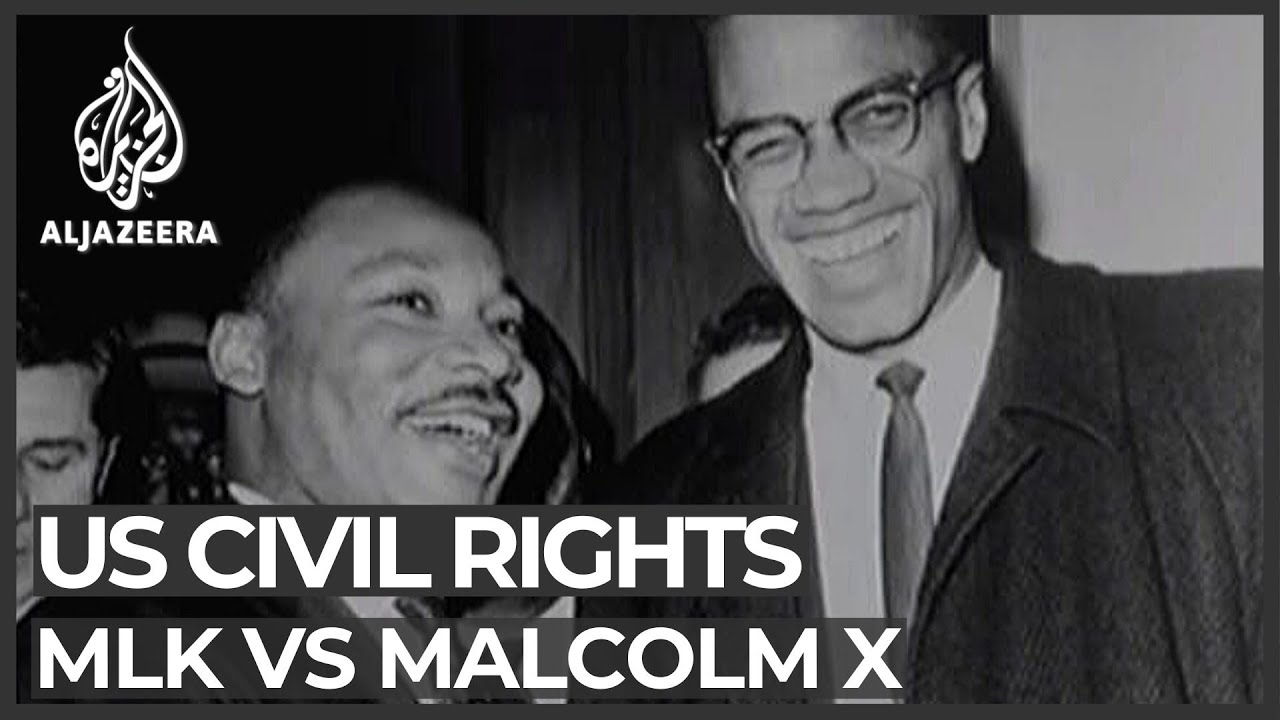
A half-century after their deaths, Martin Luther King Jr and Malcolm X remain two of the world's most revered political Read more

The life of the richest person in the history of the world, Mansa Musa. Like us on Facebook: https://www.facebook.com/TopTrending Follow Read more

VICE Guide To Right Now's Lee Adams breaks down why Black History Month shouldn't be a thing. Before you think Read more

Actor Samuel L. Jackson admits he was enraged after the killing of Martin Luther King Jr. The April 4, 1968 Read more

Japan's young tennis phenom Naomi Osaka scored her fourth Grand Slam title winning her final match in the Australian Open, Read more
I Have a Dream Speech Martin Luther King's Address at March on Washington August 28, 1963. Washington, D.C. When we Read more

Michael Jackson - Smooth Criminal (Live HIStory Tour Kuala Lumpur 1996) 60fps SUSCRÍBETE: 👉 http://bit.ly/MoonwalkerTV Segundo Canal: 👉 http://bit.ly/GiancarloVelazcoYT ¿QUIERES Read more
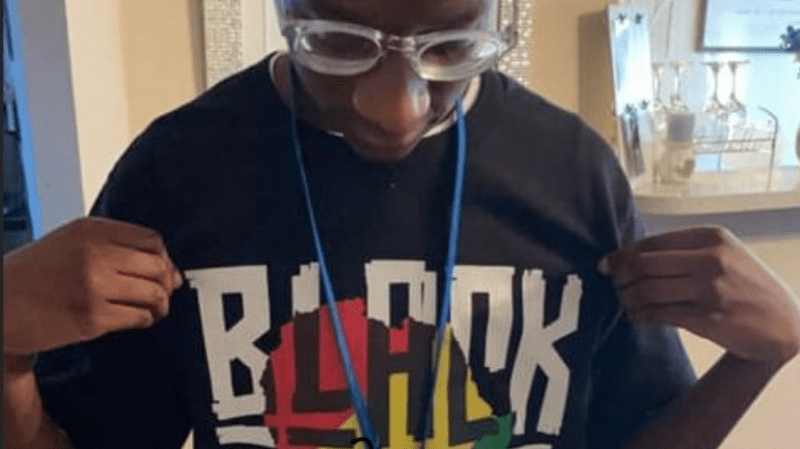
The mother of a 13-year-old student in Oklahoma was outraged after her son said he was berated by a white Read more

A 7th grade Oklahoma student and his mother are outraged after they allege an Edmond teacher discriminated against the student Read more