
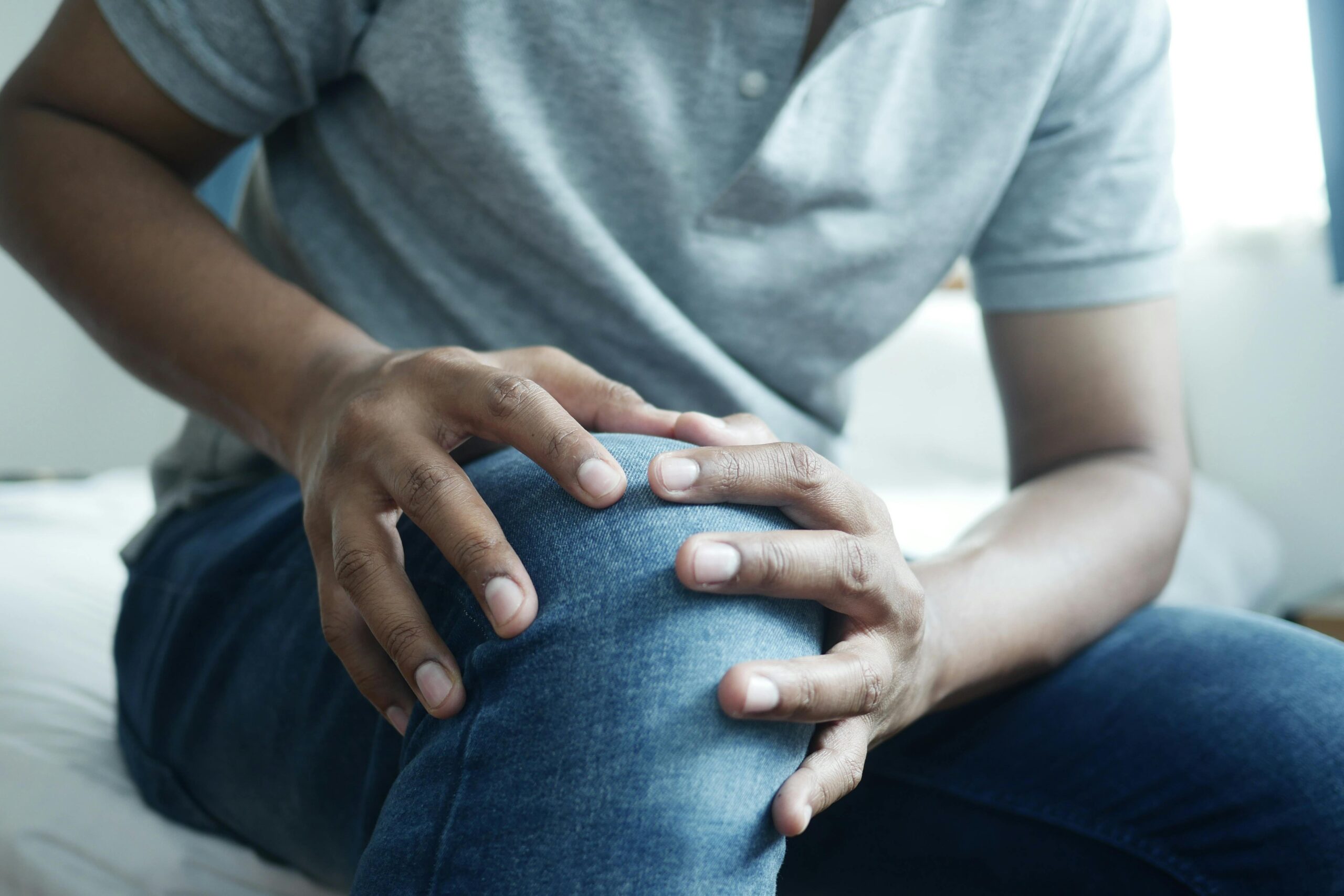
Is Your Joint Pain Actually A Bone Spur?

A bone spur is a smooth, hard bony growth that develops over a long period. While the word “spur” might sound sharp, these are actually rounded projections that often feel like a small, immovable pebble under your skin. They most frequently appear near joints (such as the knees, hips or spine) where the body is trying to repair itself. When cartilage wears down due to age or osteoarthritis, your body compensates by growing extra bone to increase the joint’s surface area and provide greater stability.
While many bone spurs are painless and go unnoticed, they become problematic when they press against nerves or restrict movement. For instance, a spur in the spinal column can narrow the space intended for the spinal cord, causing a pinched nerve. This often manifests as a radiating ache, weakness or a “pins and needles” sensation in the arms or legs. To accurately identify these growths, medical professionals rely on diagnostic imaging, such as X-rays or CT scans, which reveal the exact size and location of the spur.
What is a bone spur?
The official medical name for a bone spur is an “osteophyte,” as explained by the Cleveland Clinic. Healthcare professionals see them all the time on X-ray pictures. To understand what they are, imagine your bones are like building blocks. Sometimes, your body decides to add a little bit of extra cement to the side of a block. That extra cement is the bone spur.
According to the Mayo Clinic, most bone spurs cause absolutely zero pain. You might live your whole life with a bone spur on your spine, your knee or your foot and never feel it. They only become a problem when this extra piece of bone grows too large and starts to rub against a nearby nerve or bone. When the extra bone gets in the way, that is when it starts to hurt.
What’s happening in your body
Think of your body as a finely tuned machine, much like a door hinge that requires a bit of oil to stay quiet and smooth. In your joints, that “oil” is actually a soft, slippery cushion known as cartilage. According to Cleveland Clinic, this cartilage sits at the ends of your bones to allow them to glide effortlessly against one another when you walk, run or bend. It acts as a vital buffer, keeping your skeletal system moving without friction.
Over time, however, this protective padding can wear down due to the natural aging process or years of high-impact sports. When that cushion thins out, your bones begin to rub directly against each other. In a clever attempt to repair the weakened area, your body tries to protect it by growing new bone. While your body’s intentions are good, it doesn’t always place this extra growth in a helpful spot. This well-meaning but misplaced “patch” is what we call a bone spur, which often ends up causing the very aches and discomfort it was trying to prevent.
Causes of bone spurs
Your body never builds extra bone without a good reason; it is usually responding to a specific need or physical stress. The most common culprit is osteoarthritis. While that sounds like a complicated medical term, it simply describes the natural process by which your joint cushions, or cartilage, wear down as you age. When this protective padding wears away, your body shifts into “repair mode,” rushing to build extra bone to stabilize and support the affected joint.
Beyond the natural aging process, repetitive physical activity can also trigger these growths. According to research in PubMed Central, athletes such as runners and dancers often develop spurs on their heels due to the constant, rhythmic pounding of their feet against hard surfaces. In an effort to make the heel thicker and more resilient against this impact, the body adds more bone as a defensive measure. Similarly, wearing shoes that are too tight can create excessive pressure on your toes, prompting your body to grow extra bone to shield itself from the squeeze.
Finally, lifestyle habits play a significant role in how quickly these spurs might develop. Harvard Health Publishing notes that carrying excess weight or following a diet lacking essential nutrients can put surprising additional stress on your knees and feet. This increased load forces your body to adapt more rapidly to the pressure, often leading to the formation of bone spurs as it struggles to support the extra weight and maintain your mobility.
Health risks and complications
Dr. Justus Rabach, MD, explains, “Even though a bone spur is just smooth bone, it can cause some big problems if it grows in the wrong place. The biggest risk is pinching a nerve. Nerves are like tiny electrical wires that run all over your body. Imagine stepping on a garden hose. The water cannot flow through the hose when you step on it. A bone spur can ‘step’ on a nerve in your back or your neck.”
The Mayo Clinic warns that a pinched nerve can cause numbness, tingling or weakness in your arms or legs. Another problem is that bone spurs can interfere with your normal movement. If a big spur grows inside your knee, it might act like a doorstop. It can make your knee feel stuck, so you cannot bend your leg all the way back. It can also tear the tendons that attach your muscles to your bones, making it very painful to walk or lift heavy things.
What to do about bone spurs
The very best thing you can do while facing a bone spur is give your body a long rest. If running makes your heel spur hurt, stop running for a few weeks! Try swimming or riding a bike instead, since those activities don’t pound your feet on hard ground. You can also put an ice pack on the painful bump for 15 minutes a day. The ice helps reduce heat and swelling and makes the pain from rubbing feel much better.
If your pain is bad, you may be able to take over-the-counter medicine like ibuprofen. This medicine helps calm down the angry, swollen areas around the bone spur.
If you have a bone spur on your heel, the easiest way to feel better is to check your shoes! Take your favorite sneakers and try to bend them in half. If they bend super easily in the middle like a piece of paper, they are not protecting your feet. You need to buy shoes with a thick, stiff sole to protect your heel from hitting hard ground.
When to see a doctor
Most bone spurs will stop hurting if you rest and wear better shoes. But if the pain is so bad that you cannot walk or sleep at night, it’s time to call an expert. You also must see a doctor right away if your fingers or toes feel numb, tingly or completely weak. This means the bone spur is crushing a nerve wire very badly and a doctor needs to take an X-ray of your bones to see exactly what is happening inside your body.
“Bone spurs in the hand can be secondary to several causes and can result in pain and limited functionality. It’s important to meet with your healthcare provider for a full work-up and treatment,” says Anita C. Chandrasekaran, MD, a board-certified internal medicine and rheumatology specialist who currently works as a rheumatologist at Hartford Healthcare Medical Group in Connecticut.
How do doctors remove bone spurs?
While rest and physical therapy often do the trick, sometimes a bone spur can press against a nerve so firmly that it causes numbness or severe pain. In these more serious cases, a medical expert may suggest a specialized surgery to remove the growth and restore your comfort. The process is designed to be as smooth as possible; you will be placed under anesthesia so that you sleep through the entire procedure without feeling any sensation.
During the operation, the surgeon makes a very small incision to precisely reach the spur. Using specialized, miniature tools, the doctor carefully shaves or trims the excess bone bump until the bone surface is smooth again. This effectively “unblocks” the area, giving your nerves the space they need to function properly. Once the surgery is complete and the pressure is relieved, the pain and numbness typically fade away, allowing your body to move freely once more.
What happens if bone spurs are left untreated?
If you happen to have a bone spur that isn’t causing any discomfort, the good news is that you can generally leave it alone. These “silent” spurs are often harmless, and your body can continue functioning perfectly fine without any intervention. However, if a bone spur is already painful, ignoring it can lead to more serious complications as your body continues its well-meaning but misguided construction project.
Left untreated, a painful bone spur may continue to grow larger over time. When these growths occur in high-traffic areas like your knees or spine, they can cause the joint to become incredibly stiff, eventually making it difficult to stand up straight or walk long distances. Beyond mechanical stiffness, constant friction between the spur and surrounding tissue can lead to chronic swelling and inflammation, making daily life feel quite miserable. Addressing the pain early with rest and proper treatment is the best way to protect your mobility and keep the problem from escalating.
Bottom line
A bone spur is a small, smooth bump of extra bone that your body builds to protect a weak or rubbing joint. While most bone spurs never cause any pain, they can sometimes pinch your nerves or make your joints feel stiff. By wearing supportive shoes, resting your body and using ice, you can easily stop the pain and keep your bones feeling happy and healthy.
Frequently Asked Questions
At what age do bone spurs start?
Most people do not develop bone spurs until they are over 60 years old because it takes a long time for the soft cartilage cushions to wear out.
Where is the most common place to get a bone spur?
The most common places to find these extra bone bumps are on the bottom of the heel, on the spine in your back and inside your knees.
What can be mistaken for a bone spur?
People often think they have a bone spur on their foot when they actually have plantar fasciitis, a condition in which the thick band of muscle on the bottom of the foot becomes very tight and irritated.
Citations
Cleveland Clinic. Bone Spurs (Osteophytes): Causes, Symptoms, Diagnosis & Treatment. Cleveland Clinic. Published November 16, 2020. https://my.clevelandclinic.org/health/diseases/10395-bone-spurs-osteophytes
Mayo Clinic. Bone spurs – Symptoms and causes. Mayo Clinic. Published 2019. https://www.mayoclinic.org/diseases-conditions/bone-spurs/symptoms-causes/syc-20370212
Clinic C. Synovial Fluid: What It Is, Composition & Function. Cleveland Clinic. Published March 9, 2026. https://my.clevelandclinic.org/health/body/synovial-fluid
Cleveland Clinic. Cartilage: What It Is, Function & Types. Cleveland Clinic. Published May 24, 2022. https://my.clevelandclinic.org/health/body/23173-cartilage
Sajja S, Elahi N, Ganti L. Plantar Fasciitis With a Calcaneal Spur. Curēus. Published online December 28, 2023. doi:https://doi.org/10.7759/cureus.51242
Harvard Health Publishing. Why weight matters when it comes to joint pain – Harvard Health. Harvard Health. Published 2019. https://www.health.harvard.edu/pain/why-weight-matters-when-it-comes-to-joint-pain
Mayo Clinic. Pinched nerve – Symptoms and causes. Mayo Clinic. Published December 21, 2023. https://www.mayoclinic.org/diseases-conditions/pinched-nerve/symptoms-causes/syc-20354746
If you look at the history worldwide, Black people have contributed more than anybody else. They have contributed to almost Read more

The official version of Logic's "Soul Food" audio off his 'Under Pressure' album which is out now on Visionary Music Read more

For the 50 million kids who attend public schools in the US, the 2020 election is personal. Watch more 2020 Read more

In this clip from 1965, after leaving the Nation of Islam, Malcolm X appears on CBC-TV's 'Front Page Challenge' weeks Read more

I Have a Dream" is a public speech that was delivered by American civil rights activist Martin Luther King Jr. Read more

✪This one important person in Oprah Winfrey's life wanted nothing to do with her until she was famous. Years later, Read more

Relive the BEST OF Michael Jordan's playoff games through the years! Subscribe to the NBA: https://on.nba.com/2JX5gSN Full Game Highlights Playlist: Read more

The short film for Michael Jackson's ""Smooth Criminal"" was the centerpiece of the feature film Moonwalker, and featured the debut Read more


Paul Pierce and Zach Lowe join Rachel Nichols on The Jump for “Make or Miss,” to discuss Zach LaVine, Steph Read more

Watch the highlights of Serena Williams vs Simona Halep at Australian Open 2021. News from the #1 sports destination and Read more

Check out the Top-10 shots of Tiger Woods' career on the PGA TOUR (excluding majors), feature incredible putting, clutch hole Read more