

History of suppressing Black voters: Florida Poll Tax (1889-1938)
When the Civil War ended, Black Americans were almost half 0f the population of Florida. Just like other southern states, most Black Americans in Florida were enslaved and none had the legal right to vote. Then the 15th Amendment in 1870 theoretically gave the right to vote to all citizens regardless of race, color or previous condition of servitude. The amendment says the right to vote cannot be denied because of race.
Then other ways of voter suppression were implemented, including poll taxes and literacy tests. These were used to get around the wording of the amendment and helped to disenfranchise Black Americans in the election process. Florida was the first ex-Confederate state to use the Poll Tax as an barrier to prevent Black people from voting. White politicians in Florida had a fear newly freed Black voters at the end of the Civil War. Black people made up approx. 45% of Florida’s population and thousands of white residents had lost their right to vote because of their Confederate ties. In 1867, there were 15,434 Black voters registered in Florida and 11,148 voters who were white.
After the Civil War, there was an increase in the number of Black voters (male only) and Black elected officials in the state. Nineteen Black people were elected to the 76-member Florida Legislature in 1870. During that year’s election, Josiah Walls, a former enslaved person and Union soldier from Alachua County, became Florida’s first Black member of Congress. Walls would be the only Black member of Congress from Florida for the next 116 years.
In 1889, Florida’s Legislature adopted a $2 annual poll tax as a requirement for voting. On a surface level, there was nothing discriminatory about the tax. Both whites and Blacks had to pay it. However, legislators knew that the $2 tax (almost $43 in 2022 dollars) would affect Black people more because they were overwhelmingly poor. Although some poor whites were also disenfranchised, they usually could find ways to circumvent the tax. Political candidates, for example, often paid the cost to entice white voters to support them. Election officials often “overlooked” the tax for whites without legally coming into conflict with the 15th Amendment.
Florida abolished the poll tax in 1938 due to so many candidates were trying to buy votes by paying the tax. In 1964, the 24th Amendment was adopted abolishing the poll tax in all federal elections. It would take the passage of the Voting Rights Act of 1965, before the majority of Black Americans in Florida could register to vote.
Sources:
Darryl Paulson, “Florida’s history of suppressing blacks’ vote.” TampaBayNews.com, https://www.tampabay.com/news/perspective/floridas-history-of-suppressing-blacks-votes/2146546/: Robert Green II, “Down With Florida’s Poll Tax,” https://jacobinmag.com/2019/07/florida-poll-tax-desantis-voter-suppression; “Florida State Election,” Washington Post, October 3, 1892; Ronald L.F. Davis, “From Terror to Triumph: The Historical Overview, The History of Jim Crow,” Jimcrowhistory.org, http://www.jimcrowhistory.org/history/overview.htm; THE BLACK EXPERIENCE, A Guide to African American Resources in the Florida State Archives. Florida Department of State Division of Library and Information Services Bureau of Archives and Records Management Tallahassee, Florida 1988, revised 2002, https://www.floridamemory.com/fpc/memory/collections/blackexperience/blackexp.pdf.
Agbor, P. (2022, January 24). The Florida Poll Tax (1889-1938). BlackPast.org. https://www.blackpast.org/african-american-history/the-florida-poll-tax-1889-1938/

More than a quarter of professional footballers in Europe's top leagues are Black. But in all 98 head coaching positions Read more

A Maryland resident is breaking barriers as an entrepreneur, becoming the first Black woman to solely own a tequila brand. Tiffany Hainesworth Read more

Alexander Twilight is generally believed to be the first African-American in the United States to graduate from college. Twilight was Read more
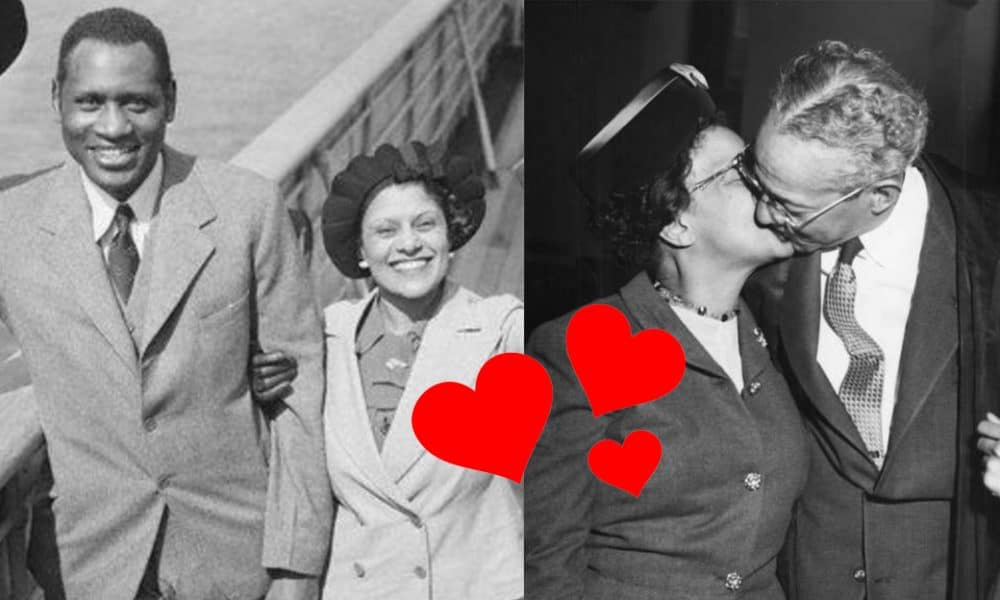
Beautiful Black fraternity and sorority couples have existed over 100 years so let’s celebrate their love. We’ve compiled a list Read more

“Black Men Teach is trying to get Black men in elementary school classrooms,” Markus Flynn, executive director of Black Men Read more

California home owners experienced racism and discrimination when they were getting an appraisal for their Bay Area home. “It was Read more
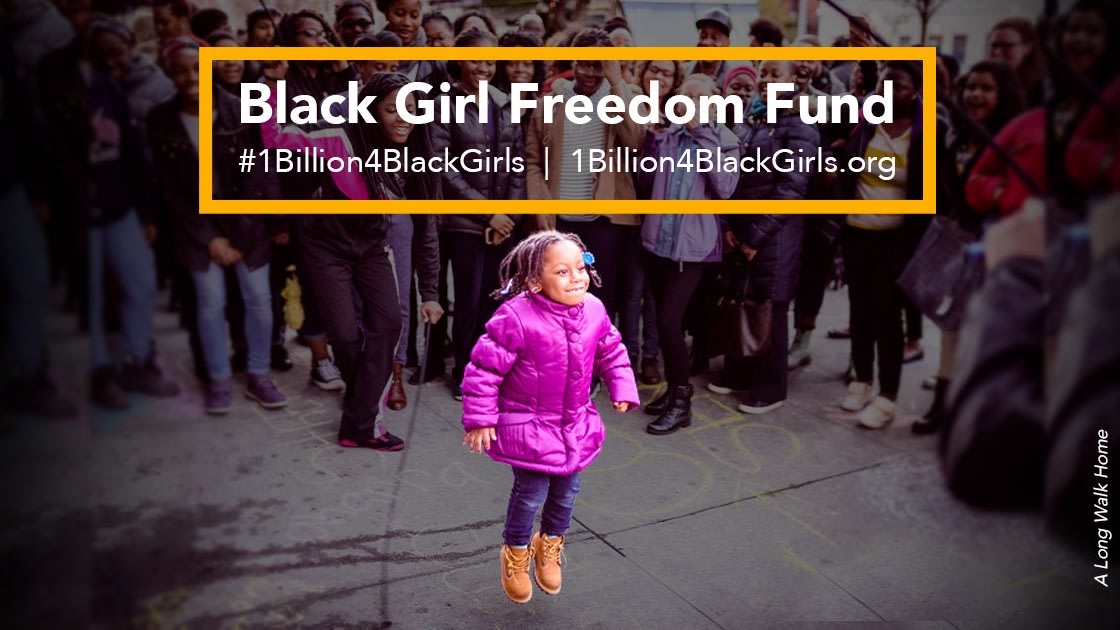
A weeklong series emphasizing investment in Black cis and trans girls is having its inaugural launch this week.Through virtual programming, Read more
As the celebration of Black History Month continues around the country, 2 Chainz honored the special time of the year Read more

Top 10 American Black Billionaires (+ Up&Comings) http://www.blackexcellist.com ---------------------------------------------- Business Inquiries, Partnerships, & Suggestions blackexcellist@gmail.com Support the Movement w/$25 * Read more

Donate to DJ SkyWalker: https://paypal.me/pools/c/8qNqWU4tVr DJ SkyWalker jetzt auch als Artist KINKO 069 in der DeutschRap Szene. Eigene Produktion mit Read more
So you are dating a member of a Black fraternity, you are over at his house and it is cold. Read more

Want to help support Me? Subscribe to my 2nd Channel! ⬇️ https://www.youtube.com/channel/UC8JcF5CDq8rPlNLU5df9ejA?sub_confirmation=1 How Martin Luther King Jr. Changed the World Read more