
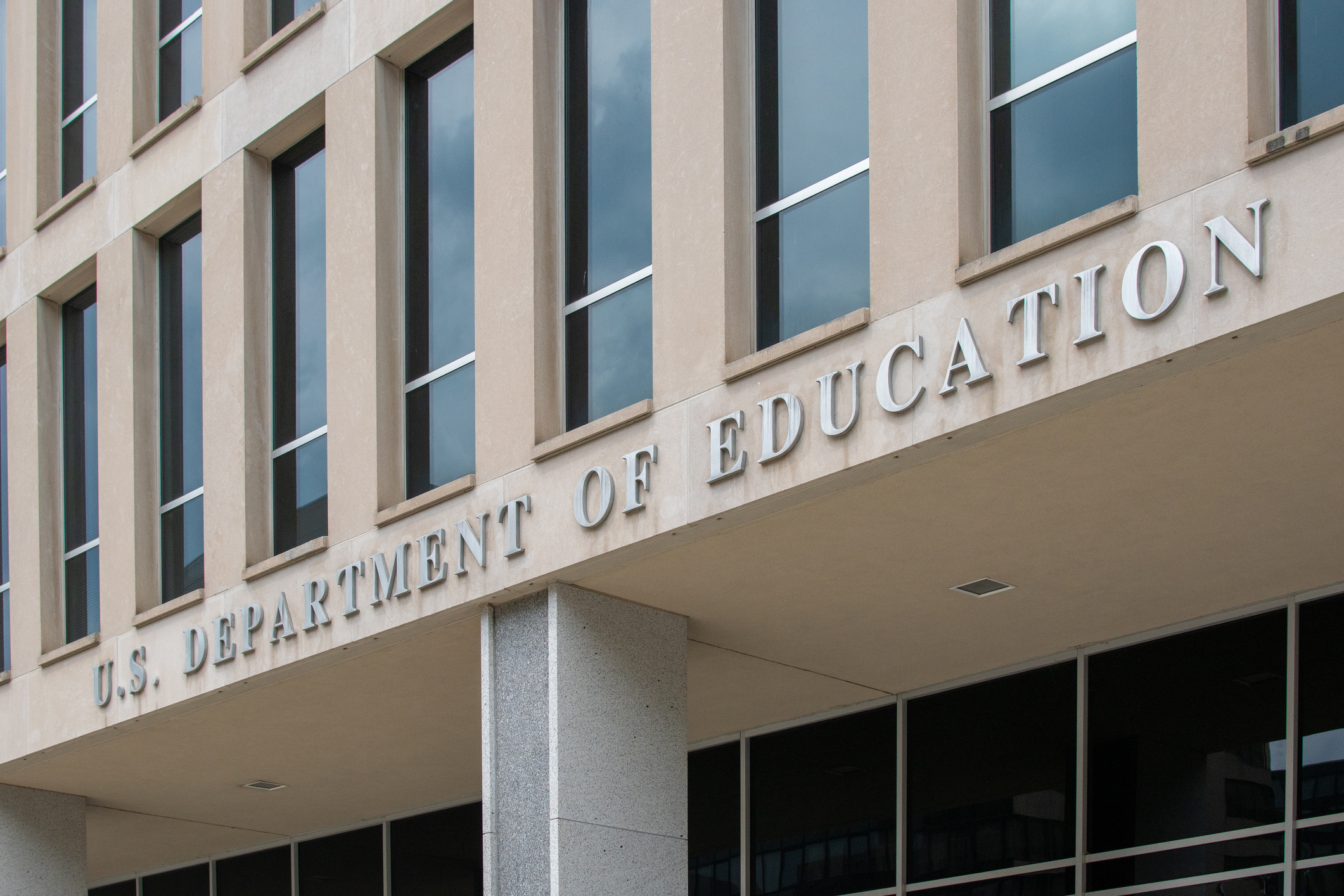
Department Of Education Wants To Cut Off Funding For Colleges If Graduates Don’t Earn More Than People Without A Degree
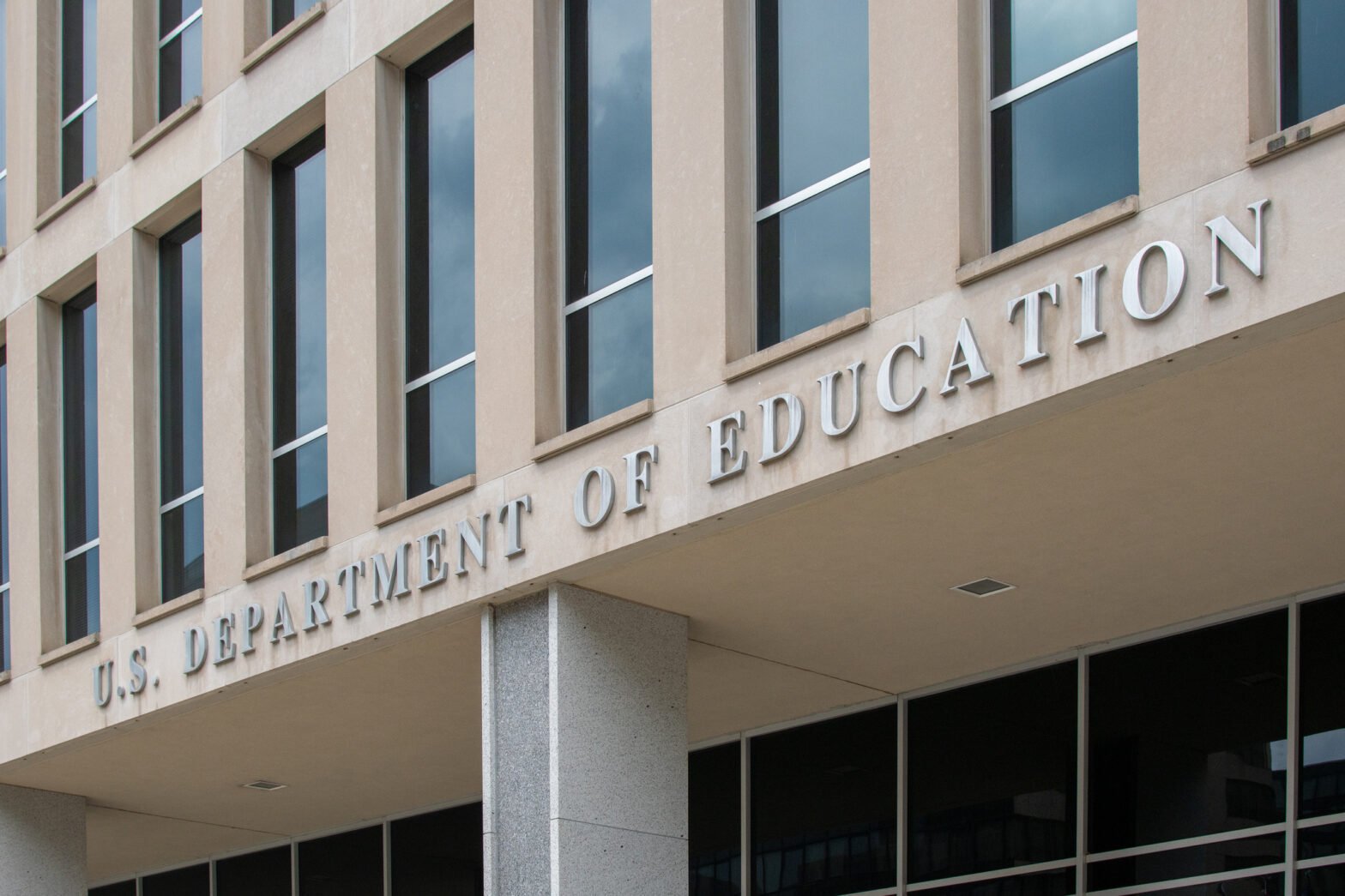
Every year, millions of would-be students must decide whether it is worth pursuing a college or professional degree. Now, the federal government is stepping into that process, implementing a policy that would punish schools that do not improve the incomes of their graduates compared to non-degree holders. While the Department of Education is presenting this rule as a commonsense method of holding colleges and universities accountable for their graduates’ success.
Department of Education targets programs that do not improve graduates’ income
As NPR detailed, the Department of Education is beginning to implement its new “do no harm” rule for colleges and universities. The rule, passed as part of 2025’s Republican-passed One Big Beautiful Bill, stipulates that an undergraduate program at a college that does not result in its graduates earning more than people without a college degree earn, that program can lose access to federal student loans. Similarly, graduate programs can lose access to federal loans if those with a graduate degree from these programs do not earn more than people who only hold an undergraduate degree. Programs that fail to meet these thresholds for two out of three years, starting with 2027, would be vulnerable to losing federal loans. Under Secretary of Education Nicholas Kent issued a statement about the new policy that puts its intentions in blunt terms. “If a program cannot show that it leaves its graduates financially better off than if they had never enrolled, it should not be underwritten by federal taxpayers,” Kent said. In practice, experts estimate that graduates of bachelor’s degree programs would have to earn at least $30,000 to $40,000 on average to clear the threshold. “This is really a very low floor,” said Christopher Madaio of The Institute for College Access & Success.
Analysis by the Department of Education estimates that the vast majority of both undergraduate and graduate programs would pass these standards. While acknowledging that roughly 800,000 students are currently enrolled in programs that might fail the “do no harm” test, the department notes that roughly half of these students are enrolled in for-profit universities, which have been criticized for leaving students with less-than-promising job prospects and disproportionate amounts of debt compared to other schools. Additionally, DoE estimates project that 18% of undergraduate certificate programs would fail the “do no harm” test, with cosmetology and somatic body work certificate programs the most likely to fail. Around 6% of two-year certificate programs would also fail the test, with early education programs the least likely to pass, while only 1% of four-year degrees — largely art, music and theater programs — would also fail the test. For master’s degree programs, about 4% would fail overall, with mental or social health programs least likely to pass the earnings test.
Critics warn that arts and education fields will be harmed by new standards
Some critics say that the “do no harm” standard devalues disciplines such as arts that may have value that is not captured in monetary earnings. Lee Ann Scotto Adams, executive director of the arts-focused nonprofit Strategic National Arts Alumni Project (SNAAP), said “Earnings is only a small piece of that puzzle,” for artists, and SNAAP warns that the new regulations could lead to colleges preemptively cutting arts programs, which would decrease the number of artists in society. “We know we need nurses. We know we need journalists. We know we need early childhood educators,” said SNAAP President Doug Dempster. “We don’t know how many artists we need, but I can guarantee that if you eliminate access, we will impoverish our cultural life nationally.”
Others argue that fields like education that provide public benefits despite their low salaries will also suffer under the new rules. Rep. Suzanne Bonamici (D-Oregon) posted “The Department of Education’s new ‘do no harm’ rule actually does harm. It’s shortsighted to rate college programs based on the salaries of graduates.” Bonamici noted, “Some college graduates may decide to start their own business or enter a high-need, low-paying field like preschool education. Just because someone doesn’t make a high salary doesn’t mean they didn’t get a valuable education.”
Furthermore, critics argue that the “do no harm” standard does not take student loan debt into account, and thus programs that graduate students without leaving them with debt could still fail the test, even as other, high-debt programs pass the standard.
As the Department of Education notes in a recent statement, with federal evaluations based on the new criteria beginning in 2027, “some programs could be designated as low-earning outcome programs beginning in the 2028-2029 award year if they fail the earnings test in both 2027 and 2028.” This means that the impact of the new federal regulations may start to appear soon, as programs start to lose federal funding or schools preemptively cut programs that they believe will not pass the test.
If you look at the history worldwide, Black people have contributed more than anybody else. They have contributed to almost Read more

The official version of Logic's "Soul Food" audio off his 'Under Pressure' album which is out now on Visionary Music Read more
For the 50 million kids who attend public schools in the US, the 2020 election is personal. Watch more 2020 Read more

In this clip from 1965, after leaving the Nation of Islam, Malcolm X appears on CBC-TV's 'Front Page Challenge' weeks Read more

I Have a Dream" is a public speech that was delivered by American civil rights activist Martin Luther King Jr. Read more

✪This one important person in Oprah Winfrey's life wanted nothing to do with her until she was famous. Years later, Read more
Relive the BEST OF Michael Jordan's playoff games through the years! Subscribe to the NBA: https://on.nba.com/2JX5gSN Full Game Highlights Playlist: Read more

The short film for Michael Jackson's ""Smooth Criminal"" was the centerpiece of the feature film Moonwalker, and featured the debut Read more


Paul Pierce and Zach Lowe join Rachel Nichols on The Jump for “Make or Miss,” to discuss Zach LaVine, Steph Read more

Watch the highlights of Serena Williams vs Simona Halep at Australian Open 2021. News from the #1 sports destination and Read more

Check out the Top-10 shots of Tiger Woods' career on the PGA TOUR (excluding majors), feature incredible putting, clutch hole Read more