

Architect Paul Williams learned to draw upside down so he could sit across from white clients in the 1920s because they wouldn’t sit next to him
Architect Paul Williams learned to draw upside down so he could sit across from white clients in the 1920s because they wouldn’t sit next to him. Williams also designed neighborhoods he wasn’t allowed to live in
Paul R. Williams was a well-known 20th Century Black architects in the U.S. Williams designed mostly homes, but in the 1950s and 1960s he designed some of the most unique public buildings in Los Angeles. Williams’s best-known building is the Theme Building at Los Angeles International Airport, which he designed with William Pereira.
Williams was born in Los Angeles on February 18, 1894, a few years after his parents moved to Southern California from Tennessee. Williams’s father died in 1896, and his mother died two years later. Williams grew up in the home of C.D. and Emily Clarkson. Williams graduated from Polytechnic High School and studied at the Los Angeles School of Art, the Beaux-Arts Institute of Design, and the engineering school at the University of Southern California. While pursing his studies in the 1910s, Williams worked in the offices of several different Los Angeles architects. In 1917 he married Della Mae Givens and they had two daughters, Marilyn and Norma.
Williams was licensed as an architect by the State of California in 1921, and the next year he established his own practice. Then in 1923 he was the first Black American to become a member of the Southern California chapter of the American Institute of Architects. In the late 1930s Williams got some nonresidential commissions, most notably the Music Corporation of America building (1937) and the Saks Fifth Avenue store (1939), both in Beverly Hills. During World War II Williams worked with fellow architects to design public housing for war workers.
Once the war ended, Williams continued to design homes for wealthy European Americans including the Beverly Hills home of William Barron Hilton and the Palm Springs homes of Frank Sinatra, Lucille Ball, and Danny Thomas. Williams designed numerous public and commercial buildings. As modernism came to dominate public architecture after the war, Williams modified his more traditional plans. He characterized the style of some of his buildings as “conservative modern.” Williams designed houses and hotels in Colombia as well as the buildings of landmark black-owned Los Angeles businesses including the Angelus Funeral Home, Golden State Mutual Life Insurance, and Broadway Federal Savings and Loan. Williams also designed a new building for Los Angeles’s First A.M.E. Church, of which he was a member.
Williams granddaughter, Karen E. Hudson, told NPR in an 2012 interview, when she was sitting in the 1951 home Williams designed for himself, “He taught himself to draw upside down so white clients wouldn’t be uncomfortable sitting next to him.” And, Hudson says with a smile, “it became one of the things he was known for.” Williams would tour construction sites with hands clasped behind his back because he wasn’t sure every person would want to shake a Black man’s hand. Many of the neighborhoods in which his homes were located were closed to him because of his race.
In 1957 Williams, a member of Sigma Pi Phi fraternity, was the first African American honored with election to the AIA College of Fellows. Williams passed away on January 23, 1980 in Los Angeles at the age of 85.
Sources:
Leonard, K. (2007, September 29). Paul R. Williams (1894-1980). BlackPast.org. https://www.blackpast.org/african-american-history/williams-paul-r-1894-1980/
Karen E. Hudson, Paul R. Williams, Architect: A Legacy of Style (New York: Rizzoli, 1993); “Architect Paul R. Williams,” http://www.paulrwilliamsproject.org/about/paul-revere-williams-architect/
Video footage shows lunchroom aide made a Black child eat food out of cafeteria trash

California home owners experienced racism and discrimination when they were getting an appraisal for their Bay Area home. “It was Read more

Serena Williams takes on Simona Halep in the quarterfinals of the Australian Open 2021. source
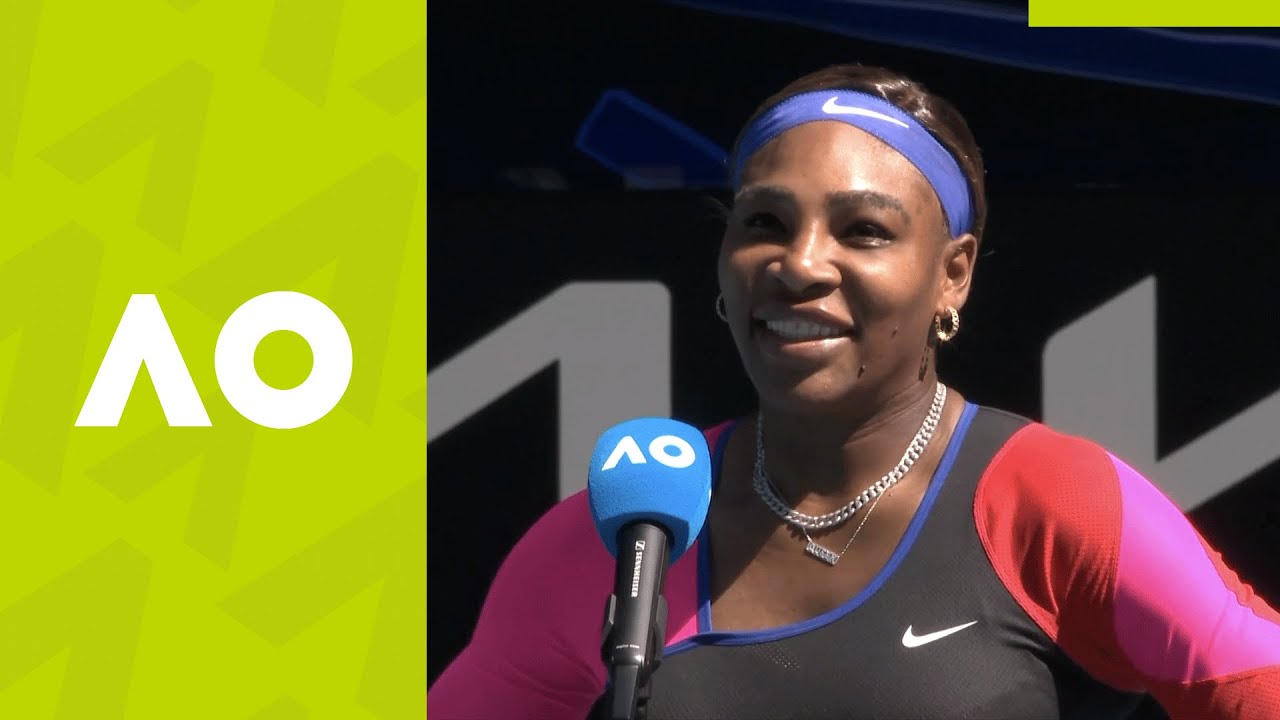
Serena Williams' on-court interview following her Round 4 win over Aryna Sabalenka at the Australian Open 2021. source

VICE Guide To Right Now's Lee Adams breaks down why Black History Month shouldn't be a thing. Before you think Read more

Aryna Sabalenka takes on Serena Williams in Round 4 of the Australian Open 2021. source

Serena Williams' press conference following her third round victory over Anastasia Potapova at the 2021 Australian Open. source
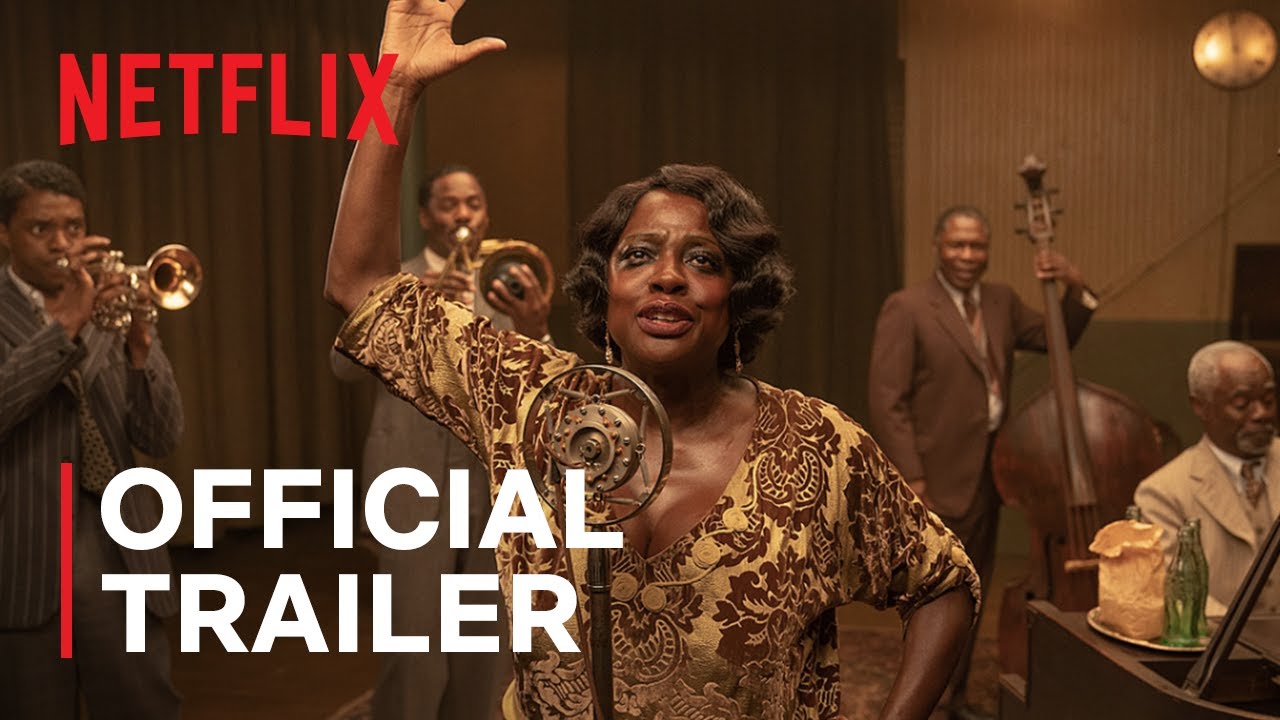
Chicago, 1927. A recording session. Tensions rise between Ma Rainey (Viola Davis), her ambitious horn player (Chadwick Boseman), and the Read more
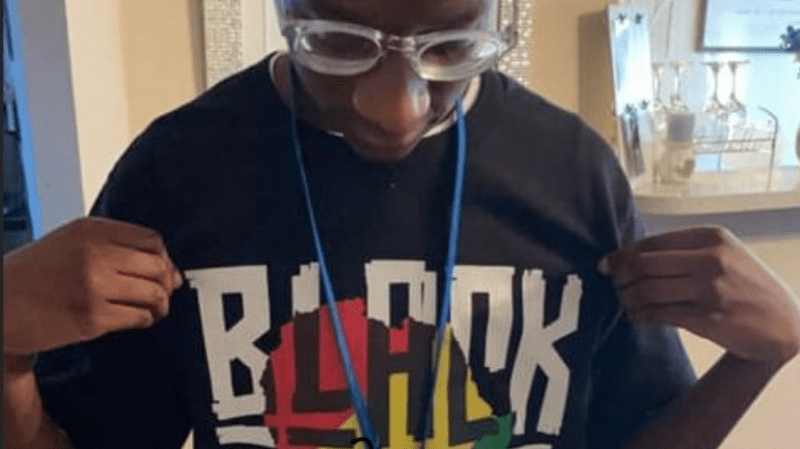
The mother of a 13-year-old student in Oklahoma was outraged after her son said he was berated by a white Read more

Anastasia Potapova takes on Serena Williams in Round 3 of the Australian Open 2021. source

Get 'The Guy Who Didn't Like Musicals' album on iTunes: http://www.teamstarkid.com/gwdlm-itunes Or on Amazon Music: http://www.teamstarkid.com/gwdlm-amazon Buy the show on Read more

Watch Serena Williams' best shots during the US Open 2020, before bowing out to Victoria Azarenka in the semifinals. Don't Read more

Serena Williams' on-court interview following her third round victory over Anastasia Potapova at the 2021 Australian Open. source