
Why South Carolina Holding Onto The First Democratic Primary Spot Is Dividing The Party
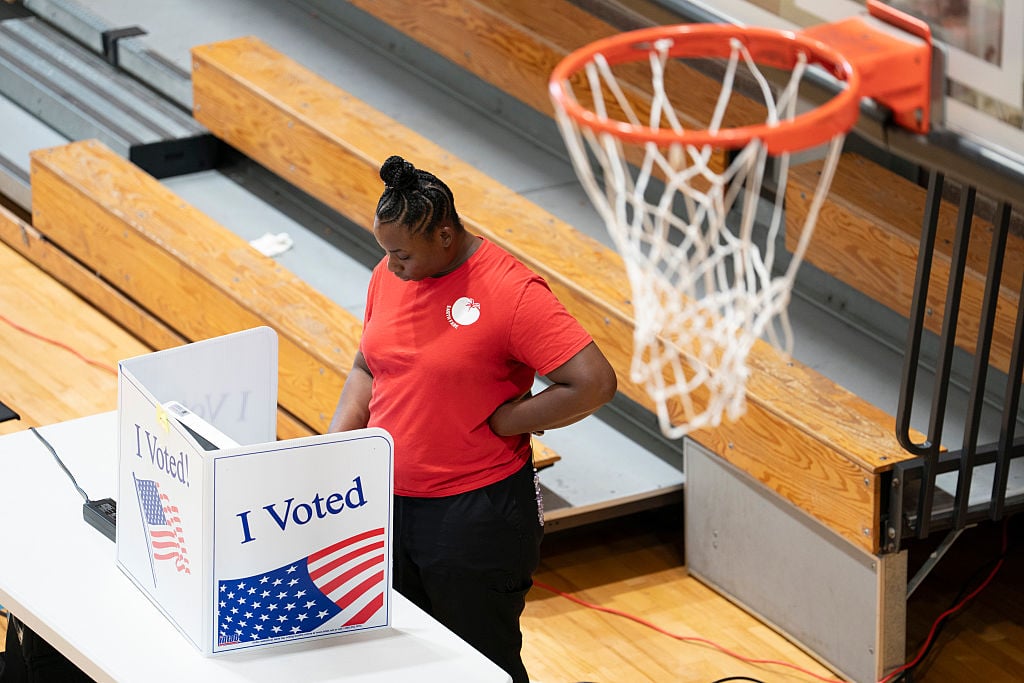
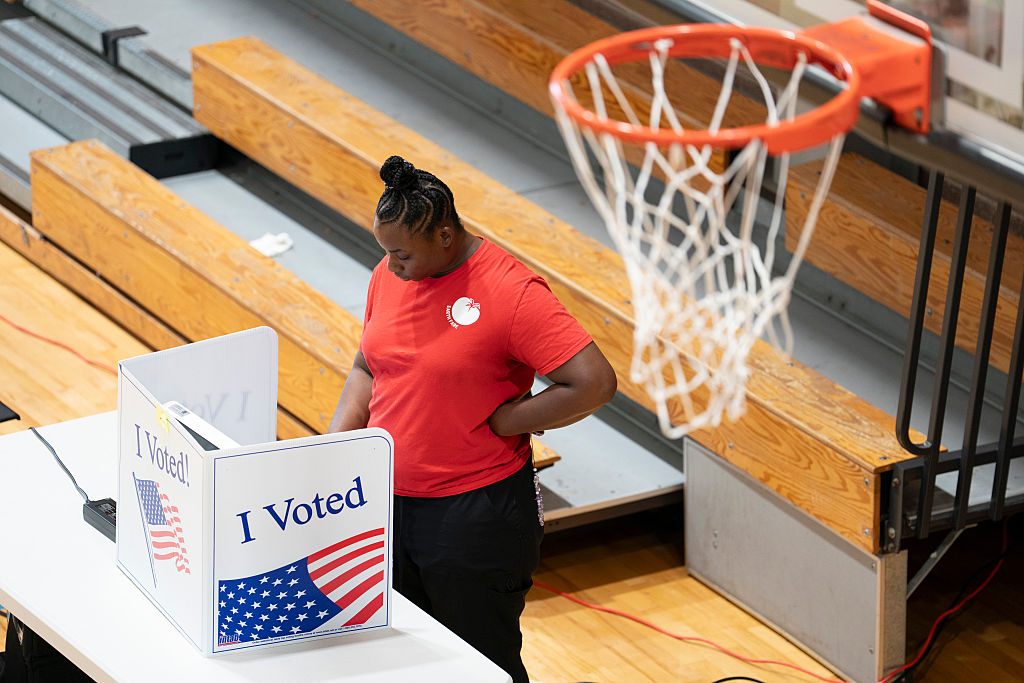
South Carolina, and particularly its Black voters, are set to play a significant role in choosing the 2028 Democratic presidential candidate. The state has been chosen to lead the Democratic primary season, continuing the priority that the party has given to the state in recent years. Progressive Democrats, however, are concerned that the state’s more moderate Democratic voters may privilege the centrist wing of the party.
South Carolina holds lead spot as Democrats write new calendar for 2028 primary season
The Democratic National Committee’s Rules and Bylaws panel decided last Friday to recommend that South Carolina hold the first Democratic primary of the 2028 presidential election. The decision placed South Carolina ahead of five other states that were vying to lead the primary season. According to the calendar agreed upon by the Rules and Bylaws panel, South Carolina will hold its Democratic primary on Saturday, January 22, 2028. Beginning February 1, the other five states — Nevada, New Hampshire, New Mexico, Michigan and Virginia, in that order — will hold their primaries each Tuesday throughout February. These six states will be the only Democratic presidential primary races prior to Super Tuesday, in which multiple state primary races will be held. The full Democratic National Committee will vote on the proposed calendar during its August summer meeting.
The decision by the Rules and Bylaws panel continues the importance of South Carolina to the Democratic presidential nomination process. In 2020, Joe Biden secured his first primary win with a victory in South Carolina, reviving Biden’s campaign en route to his winning the Democratic nomination that year and the presidency in the November election. Partially as a thank you to South Carolina voters and the state’s influential Democratic Congressman, Rep. James Clyburn, President Biden supported South Carolina moving to the first spot of the Democratic primary process in 2024, although New Hampshire defied Democrats by holding its primary earlier. South Carolina’s Democrats scored another political victory this summer when the state’s Republican-led government declined to redraw the state’s only Democratic district, which has long been represented by Clyburn.
Boost for Black voters, potential roadblock for progressive candidates
The choice of South Carolina to kick off the primary season is a recognition of the importance of Black support for the Democratic Party. Black voters make up nearly a quarter of all South Carolina voters and dominate the Democratic Party in the state, and winning South Carolina has been viewed as a signal of a candidate’s ability to mobilize Black voters more generally, even as southern Black voting power is being diluted at the Congressional level due to Republican-led gerrymandering. However, the choice of South Carolina is being criticized by members of the party’s left, as South Carolina’s largely Black Democratic voting base tends to support more centrist candidates, including siding with Hillary Clinton and Joe Biden over Bernie Sanders in 2016 and 2020, respectively.
As members of the Democratic Socialists of America and other progressive candidates surge in Democratic primaries across the country, many are viewing the official elevation of South Carolina as an attempt to block progressives in the presidential race. This sentiment exists even within the Rules and Bylaws panel that created the new calendar, with one member of the panel telling Axios “the public is swinging left, and the establishment is trying to fight the winds of change.” The panel member added that the choice of South Carolina could “shut down” progressive Democratic presidential candidates, which the panelist warns is “not a strategy for winning the electorate.” Even before South Carolina was chosen to be 2028’s first Democratic primary state, a number of potential Democratic candidates, both moderate and progressive, had been visiting the state.
While Black voters and progressives are not mutually exclusive categories, the political wrangling over the Democratic primary calendar has been framed as a competition between these two pillars of the party. As the Democratic Party attempts to define its identity, South Carolina may either represent a showdown between differing wings of the party or a chance for candidates to craft a message that resonates with Black voters and with progressives.
If you look at the history worldwide, Black people have contributed more than anybody else. They have contributed to almost Read more

The official version of Logic's "Soul Food" audio off his 'Under Pressure' album which is out now on Visionary Music Read more
For the 50 million kids who attend public schools in the US, the 2020 election is personal. Watch more 2020 Read more

In this clip from 1965, after leaving the Nation of Islam, Malcolm X appears on CBC-TV's 'Front Page Challenge' weeks Read more

I Have a Dream" is a public speech that was delivered by American civil rights activist Martin Luther King Jr. Read more

✪This one important person in Oprah Winfrey's life wanted nothing to do with her until she was famous. Years later, Read more

Relive the BEST OF Michael Jordan's playoff games through the years! Subscribe to the NBA: https://on.nba.com/2JX5gSN Full Game Highlights Playlist: Read more

The short film for Michael Jackson's ""Smooth Criminal"" was the centerpiece of the feature film Moonwalker, and featured the debut Read more


Paul Pierce and Zach Lowe join Rachel Nichols on The Jump for “Make or Miss,” to discuss Zach LaVine, Steph Read more

Watch the highlights of Serena Williams vs Simona Halep at Australian Open 2021. News from the #1 sports destination and Read more

Check out the Top-10 shots of Tiger Woods' career on the PGA TOUR (excluding majors), feature incredible putting, clutch hole Read more