
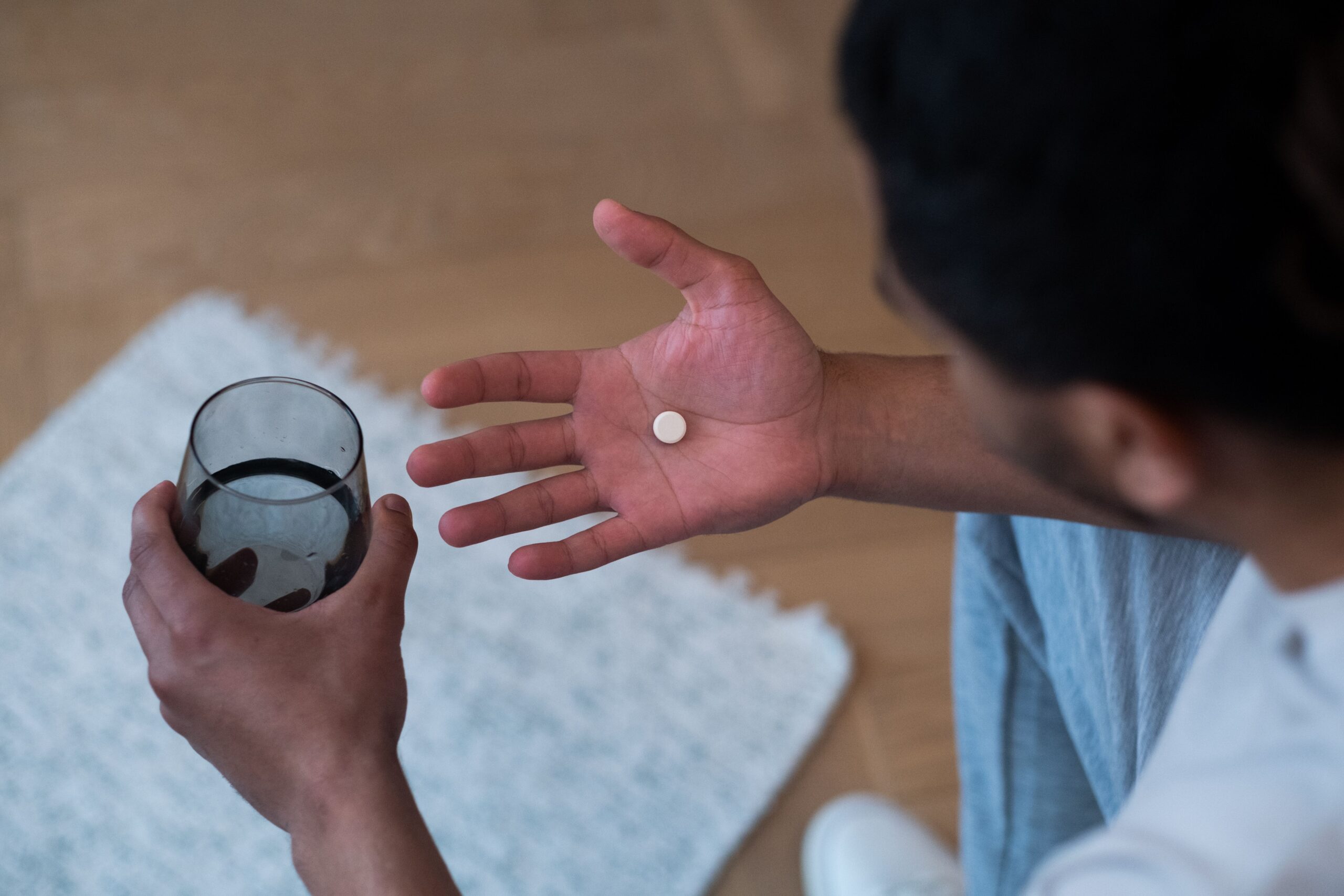
What Do Beta-Blockers Actually Do?

When performance anxiety kicks in, it often triggers a racing heart and trembling hands. This physical reaction became a major talking point earlier this summer, following the Summer House reunion. After cast member West Wilson attributed his unusually flat, emotionless demeanor during tough relationship questions to his use of a beta-blocker, many wondered if the medication can actually numb your feelings.
The short answer is no. Costar Ciara Miller, a registered nurse, cleared up the confusion on social media by explaining that these common blood pressure medications only block the physical symptoms of adrenaline, not your actual emotions. While you might still feel nervous or upset internally, the medication simply prevents your body from launching into a full fight-or-flight response.
With stars like Robert Downey Jr. and Khloé Kardashian openly using beta-blockers to combat stage fright, it is important to know how they work. To use them safely, you should understand how they affect your heart, their potential side effects and what substances you need to avoid while taking them.
How beta-blockers work
Beta-blockers are a class of prescription drugs primarily used to treat heart and blood vessel diseases, including high blood pressure, angina and irregular heartbeats, says the Cleveland Clinic. They have also become a popular off-label drug for panic and anxiety, stage fright and public speaking.
According to the Mayo Clinic, beta-blockers work by preventing adrenaline from binding to the beta receptors in your heart, blood vessels and muscles. The main hormone that acts on the primitive “fight or flight” survival mechanism is called adrenaline. In this way, the medication puts your physical stress symptoms on “Do Not Disturb.”
Beta-blockers also work by increasing the amount of serotonin in your brain and “decreasing the sympathetic nervous system response,” according to Dr. Joseph Squitieri, division director for adult ambulatory psychiatry at Northwell Zucker Hillside Hospital. The drug slows down a fast heart rate, sweating, redness and shaking hands. It helps maintain your body’s calm while not changing your brain’s internal emotional state.
Common side effects
Some common mild side effects may occur as your body adapts to having less adrenaline due to a reduced cardiovascular response. These side effects are usually predictable and controllable, but should be monitored if they start to impact your life, the National Institutes of Health (NIH) notes.
Generalized fatigue, sluggishness and mild dizziness are the most frequently reported side effects. The drug decreases your heart rate response, so your blood pressure drops, which can temporarily slow the delivery of oxygen to your brain when you stand up quickly.
Many beta-blocker users find that their fingers and toes are very cold, even in warm environments. The drug works by constricting certain peripheral blood vessels, reducing blood flow to the farthest reaches of your body while keeping more blood in the center.
Rare or serious side effects
As a class of drugs, beta-blockers are very safe, but they can sometimes have rare and serious side effects in certain susceptible patient groups.
The Mayo Clinic notes that one of the most serious and life-threatening risks is the difficulty of breathing. There are also beta receptors in the airways of your lungs. Blockade of these receptors is one reason a non-selective beta-blocker may cause rapid bronchial smooth muscle contraction.
Dr. Justus Rabach, MD, explains, “This narrowing can cause a life-threatening asthma attack or bronchospasm in someone with chronic obstructive pulmonary disease (COPD). Also, beta-blockers may result in a dangerously slow heartbeat (bradycardia) or can mask the symptoms of low blood sugar (hypoglycemia) for people with diabetes.”
What to do if you notice symptoms
When you take a beta-blocker for a particular situation, or for high blood pressure, it’s essential to be careful about how you respond to the drug; otherwise, you could be in real danger.
In cases of typical side effects (cool hands, a slight decrease in strength), doctors suggest that patients drink plenty of water and avoid any abrupt changes in position. If you experience a sudden onset of shortness of breath, wheezing, extreme chest tightness or a resting pulse below 50 beats per minute, you need emergency medical care right away.
Do not discontinue a beta-blocker abruptly. It’s a problem if you suddenly stop taking this drug, as your heart receptors can suddenly go wild and pump out too much adrenaline, making your blood pressure and heart rate too high. Always make sure to do this under your doctor’s guidance, slowly decreasing the dose over a few weeks.
Beta-blocker alternatives
Nowadays, there are many highly effective options available that can be used to treat performance anxiety without using prescription cardiovascular drugs.
The Centers for Disease Control and Prevention (CDC) reports that the most effective lifestyle option for treating long-term situational anxiety is cognitive behavioral therapy or CBT. CBT teaches you how to recognize and redirect anxious thoughts, which tackles the psychological aspects of anxiety instead of just covering up the physical sensations.
You can also naturally stimulate your vagus nerve through complementary activities, such as deep breathing through the diaphragm, square pacing and mindfulness meditation, which help to reduce your heart rate and blood pressure without the use of synthetic pills.
What should you avoid when taking a beta-blocker?
With a beta-blocker, it’s important to be extremely cautious about the foods you eat, as some common foods can cause harmful drug interactions. Some beta-blockers can cause your body to retain potassium, meaning you may need to moderate your intake of potassium-rich foods like bananas, spinach, and sweet potatoes to avoid dangerously high levels of the mineral in your blood. Even seemingly healthy items like grapefruit or grapefruit juice can interfere with your liver’s ability to break down the medication, potentially causing the drug to build up to toxic levels in your system. To ensure your treatment remains safe and effective, always consult your doctor or pharmacist about your specific dietary habits.
According to Harvard Health Publishing, large amounts of alcohol should not be consumed with this drug, as it will enhance the blood pressure-lowering effects of the drug and may cause fainting or extreme dizziness.
Also, try to avoid over-the-counter cold medicines with pseudoephedrine and excessive amounts of caffeine. These substances stimulate your heart, making it work harder, and can directly counteract and undo the effects of your beta-blocker medicine.
Bottom line
Beta-blockers are very effective cardiovascular drugs that block physical symptoms of anxiety, such as a racing heart, by preventing adrenaline from binding to receptors in the body. As doctors have said, the medications do not actually take away or freeze human emotions; they prevent the full physical stress response from kicking in. With knowledge of the correct protocol for use, avoidance of dangerous combinations such as alcohol, and never abrupt withdrawal, patients can safely control their nerves in the physical performance under strict clinical supervision.
Frequently Asked Questions
What is the most commonly prescribed beta-blocker?
Propranolol and metoprolol are the two most widely prescribed beta-blockers utilized in modern medicine to treat hypertension and manage situational performance anxiety.
Do beta-blockers affect sleep?
Yes, beta-blockers can occasionally disrupt your normal sleep architecture and cause vivid nightmares because they cross the blood-brain barrier and naturally suppress your body’s nighttime production of melatonin.
Citations
Cleveland Clinic. Beta blockers: Types, Uses and Side Effects. Cleveland Clinic. Published 2022. https://my.clevelandclinic.org/health/treatments/22318-beta-blockers2.
Mayo Clinic. Beta Blockers. Mayo Clinic. Published August 22, 2022. https://www.mayoclinic.org/diseases-conditions/high-blood-pressure/in-depth/beta-blockers/art-200445223.
Mladěnka P, Applová L, Patočka J, et al. Comprehensive review of cardiovascular toxicity of drugs and related agents. Medicinal Research Reviews. 2018;38(4):1332-1403. doi:10.1002/med.214764.
Mayo Clinic. Trouble breathing. Mayo Clinic. Published 2019. https://www.mayoclinic.org/symptoms/shortness-of-breath/basics/causes/sym-200508905.
CDC. Treating Children’s Mental Health with Therapy. Children’s Mental Health. Published September 28, 2024. https://www.cdc.gov/children-mental-health/treatment/index.html6.
LeWine H. Alcohol Withdrawal – Harvard Health. Harvard Health. Published April 22, 2019. https://www.health.harvard.edu/diseases-and-conditions/alcohol-withdrawal-a-to-z

If you look at the history worldwide, Black people have contributed more than anybody else. They have contributed to almost Read more

The official version of Logic's "Soul Food" audio off his 'Under Pressure' album which is out now on Visionary Music Read more

For the 50 million kids who attend public schools in the US, the 2020 election is personal. Watch more 2020 Read more
In this clip from 1965, after leaving the Nation of Islam, Malcolm X appears on CBC-TV's 'Front Page Challenge' weeks Read more

I Have a Dream" is a public speech that was delivered by American civil rights activist Martin Luther King Jr. Read more

✪This one important person in Oprah Winfrey's life wanted nothing to do with her until she was famous. Years later, Read more

Relive the BEST OF Michael Jordan's playoff games through the years! Subscribe to the NBA: https://on.nba.com/2JX5gSN Full Game Highlights Playlist: Read more

The short film for Michael Jackson's ""Smooth Criminal"" was the centerpiece of the feature film Moonwalker, and featured the debut Read more


Paul Pierce and Zach Lowe join Rachel Nichols on The Jump for “Make or Miss,” to discuss Zach LaVine, Steph Read more

Watch the highlights of Serena Williams vs Simona Halep at Australian Open 2021. News from the #1 sports destination and Read more

Check out the Top-10 shots of Tiger Woods' career on the PGA TOUR (excluding majors), feature incredible putting, clutch hole Read more