

The Black Box Problem at the Top of Most Companies
Most companies today are not technology companies, but they are deeply technology-dependent. In a world where AI is reshaping how businesses operate, that dependence is increasing rather than stabilizing.
A structural challenge sits underneath this. The CEOs running these companies are typically sophisticated business operators. They have deep capability across marketing, sales, operations, and finance. They make hard calls in these areas regularly and well. What most of them do not have is comparable depth in technology. That is not a criticism. It reflects the paths that produce most CEOs.
The consequence is a gap that shows up at the top of the organization. The CEO does not have the internal capability to evaluate how well the technology leadership is actually performing, whether the decisions being made are the right ones, or whether the capital being deployed will produce returns. For many organizations, the technology function operates as a black box from the CEO’s perspective. Things go in, things come out, and the basis for evaluation is unclear.
This gap was manageable when technology was a supporting function. It is no longer manageable now that technology decisions are central to whether the business wins or falls behind. The black box has become the place where some of the most important decisions in the company are being made, and the person ultimately accountable for the company does not have the means to assess them.
The role we have built at Techquity sits in this gap. We act as a co-pilot to the CEO. A trusted third party with the operating experience to ride alongside the leadership team, help interpret what is actually happening inside the technology function, and support informed decisions about strategy, execution, and the people running it.
The decisions remain the CEO’s. What changes is the quality of the input going into them. That difference, applied consistently over time, is what separates the companies that get technology right from the ones that find out too late that they did not.
source

Floyd Keith, executive director of the Black Coaches Association, discusses the lack of minority head football coaches in the college Read more

hiphopmekka.com, old school hip hop community for real hip hop fans aswell as modern underground! Show your own Emcee/DJ skills Read more

Ten Things I want to say a Black Woman by The Strivers Row poet Joshua Bennett http://thestriversrow.com/ http://www.facebook.com/TheStriversRow source

Lyrics: [Intro] Now this is what they've been waiting for Ya dig, Santana Weezy F. Ay Wayne What up man Read more
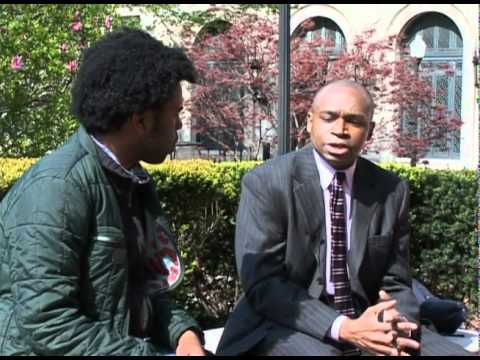
Black conservatism through the lens of the 2008 presidential race. source

Here is 18 GOOD things about Black Ops Wii, and if you want to see the 31 bad things, click Read more
![{[OFFICIAL]} Black Actors Guild Video Bios](https://i.ytimg.com/vi/2qv1q6wE5w0/hqdefault.jpg "{[OFFICIAL]} Black Actors Guild Video Bios")
Get to know the Guild a little better through these mini-video bios! More are on the way. source

Black History Month originated in 1925 when the second week of February was made Negro History Week since it contained Read more

Alison Mills-Newman recalls her early days as an actress and being at the Theatre of Being under the direction of Read more


"We Work The Black Seam" This place has changed for good Your economic theory said it would It's hard for Read more

Good Deed #137 So last night I had the very great pleasure of going to watch my good friends Ray Read more