
The Best Foods For Brain Health And Daily Productivity

If you’ve ever felt like your brain is stuck in a slow-moving cloud – fumbling for common words or hitting a wall of exhaustion mid-workday – you’re experiencing brain fog. While it is incredibly frustrating, clearing the haze might be as simple as changing what is on your plate. Recent insights, including a May 2026 report from Consumer Reports, show a powerful connection between your daily diet and your mental sharpness.
The right foods act like a shield for your mind. By incorporating specific plant-based options into your meals, you can actually help repair brain cells and protect yourself against cognitive decline. Fortunately, you can easily use the power of nutrition to lift the fog and get your focus back naturally.
What is the biggest cause of brain fog?
Poor daily nutrition and chronic inflammation in the body are among the leading causes of mental fatigue today. When you eat highly processed foods, your blood sugar spikes and drops too fast. This sudden crash leaves your brain without enough stable energy.
According to the Mayo Clinic, high stress and lack of sleep can quickly destroy your mental clarity. Stress releases cortisol, which completely disrupts how your brain cells communicate.
“Sleep is key to the consolidation of memory, specifically long-term memory,” Irene M. Estores, MD, an associate professor in the Department of Physical Medicine and Rehabilitation at the University of Florida College of Medicine in Gainesville, Florida. “It also affects working memory, attention and decision-making by affecting the activity of neural circuits in the hippocampus, prefrontal cortex, basal ganglia, thalamus and parietal lobes.”
Missing your morning breakfast can also leave your memory foggy for the rest of the day. Going too long without eating can cause blood sugar to dip dangerously low, which negatively affects overall brain function. Eating balanced meals every three to five hours avoids this drop and keeps the mind sharp.
What flushes out brain toxins?
Antioxidants from fresh plant foods are the absolute best tools for safely flushing out dangerous brain toxins. Your brain cells undergo daily wear and tear from unstable oxygen compounds. These toxic compounds are officially known as free radicals in medicine.
According to the National Institutes of Health, antioxidants actively neutralize these harmful free radicals today. This natural process helps repair your brain tissue and lowers chronic internal swelling. This reduces your long-term risk of developing severe memory-loss conditions.
A 2026 study in JAMA Neurology confirms that specific healthy diets lower the risk of cognitive decline. Following a structured eating plan keeps your brain looking many years younger. Adding colorful fruits and vegetables to your plate helps wash away this harmful cellular debris.
Here are more foods you can add to your diet to improve your brain health ASAP:
1. Fatty fish
Eating fish like salmon or fresh sardines is a fantastic way to boost your daily memory. These healthy fish are packed with essential omega-3 fatty acids, which keep your brain cell membranes very soft and incredibly flexible over time.
According to the American Heart Association, you should eat two portions of fish every week. Regular consumption improves your blood flow and significantly reduces your long-term risk of stroke. Soft cell membranes allow your brain cells to share information much faster today.
Omega-3 fatty acids boost blood flow to the brain and actively reduce stroke risk. Because of these benefits, older adults who eat fish regularly score much better on memory tests. Incorporating these healthy fats into a weekly diet is an effective way to protect long-term cognitive health.
2. Berries
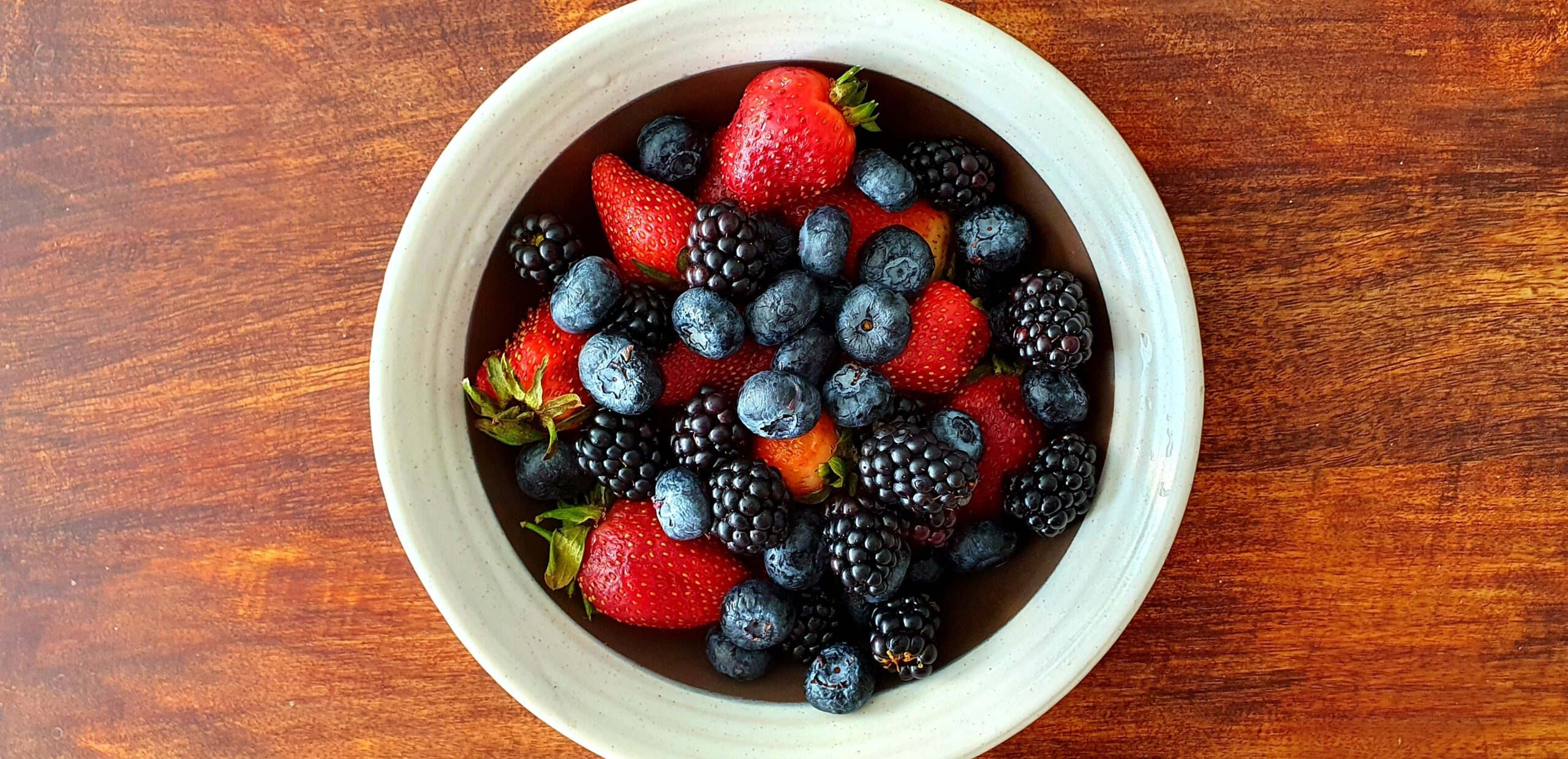
Blueberries, strawberries and sweet raspberries are true learning and memory powerhouses for your body. Their colorful skins contain powerful plant compounds called anthocyanins. These specific compounds support your biological brain health by stopping dangerous inflammation inside your head.
According to a peer-reviewed study published in ScienceDirect, freezing your berries can actually increase their total nutrient levels. You should aim to eat at least a half-cup of fresh or frozen berries daily. This habit provides your brain cells with constant protection from damage.
The blue, purple and red skins of berries contain powerful plant compounds that actively reduce internal inflammation. This reduction allows the brain to process new information much more easily. As a result, these fruits make a sweet, perfect snack to clear away the daily fog.
3. Leafy greens
Leafy greens like fresh spinach, kale and arugula protect your brain from aging too fast. These green vegetables are incredibly rich in essential nutrients such as folate and vitamin E, which are directly associated with maintaining excellent cognitive health as you age.
According to a PMC publication, greens help prevent harmful protein buildup. People who eat greens regularly have less amyloid plaque inside their brains. This specific plaque is a major medical marker for developing severe Alzheimer’s disease later.
Medical experts suggest eating a large green salad at least seven times every week. You should also add other colorful vegetables to get different types of antioxidants. This simple dietary habit keeps your brain tissue clean, healthy and working well.
4. Beans
Replacing red meat with healthy beans or legumes significantly lowers your daily risk of dementia. Beans are very rich in soluble fiber, which helps fight brain inflammation. This fiber creates highly positive changes inside your gut microbiome to protect your mind.
According to another PubMed Central publication, eating legumes slows cognitive aging. The healthy bacteria in your gut talk directly to your brain cells today. Ramping down gut issues helps safely reduce swelling in your nervous system.
Soluble fiber causes positive changes in the gut microbiome that help stop brain inflammation. These beneficial adjustments directly support clearer thinking and protect long-term cognitive health. To get these benefits, aim to eat two to three cups of cooked beans every week.
5. Coffee or tea
Drinking two to three cups of caffeinated coffee or tea daily helps protect your long-term memory. A 43-year medical study involving 130,000 people showed amazing results, notes Consumer Reports. Regular caffeine drinkers were 20 percent less likely to develop dementia over their lifetimes.
As explained by the Cleveland Clinic, decaf coffee does not offer these same benefits. The natural caffeine and antioxidants in these drinks safely stimulate your brain cells. This stimulation increases your daily alertness and helps you focus on difficult tasks.
However, if caffeine makes you feel jittery, you can easily skip these morning drinks. You should also avoid adding heavy white sugar or chemical sweeteners to your cup. Drink it plain with a splash of milk to get the best benefits.
What do neurologists say not to eat?
Neurologists strongly warn against eating ultra-processed foods like sugary sodas and packaged meats. A 2023 study in JAMA Neurology found these foods cause faster cognitive decline. They flood your body with chemical preservatives and bad fats that hurt your brain.
According to the CDC, you may also want to cut back on heavily salted foods daily. Excess sodium damages the delicate blood vessels in your brain and raises blood pressure. High blood pressure is a leading cause of dangerous strokes and brain damage. Older adults who eat red meat daily face a much higher risk of memory loss. Limiting prepared restaurant meals will naturally significantly reduce your daily salt intake.
To prevent sudden brain fog, Tunde Rasheed, B.Sc. Researcher reminds Blavity Health readers to “Eat a small, healthy snack every three to five hours. This constant fueling keeps your blood sugar stable. Stable blood sugar ensures your brain has a steady stream of energy.”
Bottom line
Brain fog is a frustrating condition often caused by poor diet, high stress and inflammation in the body. According to recent studies, eating fatty fish, berries, leafy greens and beans helps flush out dangerous toxins and reduce brain swelling. By avoiding ultra-processed foods and eating every few hours, you can naturally protect your long-term memory.
Frequently Asked Questions
What kills brain cells the most?
Chronic alcohol abuse, severe lack of oxygen and high levels of toxic inflammation destroy brain cells the fastest.
What symptoms do neurologists say never to ignore?
You must never ignore sudden weakness on one side of your body, slurred speech or unexplained memory loss.
Citations
Levine H. 5 Foods That Boost Your Brain. Consumer Reports. Published May 26, 2026. Accessed May 27, 2026. https://www.consumerreports.org/health/nutrition-healthy-eating/5-brain-foods-you-should-be-eating-a6709630694/
Mayo Clinic. Stress Symptoms: Effects on Your Body and Behavior. Mayo Clinic. Published August 10, 2023. https://www.mayoclinic.org/healthy-lifestyle/stress-management/in-depth/stress-symptoms/art-20050987
Gulcin İ. Antioxidants: a comprehensive review. Archives of Toxicology. Published online April 15, 2025. doi:https://doi.org/10.1007/s00204-025-03997-2
Anderer S. Healthy Eating May Help Prevent Cognitive Decline. JAMA. Published online March 20, 2026. doi:https://doi.org/10.1001/jama.2026.1023
American Heart Association. Fish and Omega-3 Fatty Acids. www.heart.org. Published November 1, 2021. https://www.heart.org/en/healthy-living/healthy-eating/eat-smart/fats/fish-and-omega-3-fatty-acids
Li L, Pegg RB, Eitenmiller RR, Chun JY, Kerrihard AL. Selected nutrient analyses of fresh, fresh-stored, and frozen fruits and vegetables. Journal of Food Composition and Analysis. 2017;59(59):8-17. doi:https://doi.org/10.1016/j.jfca.2017.02.002
Yasar S. How Dietary Habits Can Affect Abnormal Protein Buildup in the Brain. Neurology. 2023;100(22):e2321-e2323. https://n.neurology.org/content/100/22/e2321.abstract
Kim S, Jang EH, Lee S. Effects of the MIND Diet on the Cognitive Function of Older Adults: A Systematic Review. Clinical Nutrition Research. 2025;14(4):318. https://pmc.ncbi.nlm.nih.gov/articles/PMC12629411/
Cleveland Clinic. Study Shows How Coffee Could Benefit Brain Health. Cleveland Clinic. Published April 3, 2026. https://newsroom.clevelandclinic.org/2026/04/03/study-shows-how-coffee-could-benefit-brain-health
Gomes Gonçalves N, Vidal Ferreira N, Khandpur N, et al. Association Between Consumption of Ultraprocessed Foods and Cognitive Decline. JAMA Neurology. 2022;80(2). doi:https://doi.org/10.1001/jamaneurol.2022.4397
CDC. About Sodium and Health. CDC. Published 2024. https://www.cdc.gov/salt/about/index.html

If you look at the history worldwide, Black people have contributed more than anybody else. They have contributed to almost Read more

The official version of Logic's "Soul Food" audio off his 'Under Pressure' album which is out now on Visionary Music Read more

For the 50 million kids who attend public schools in the US, the 2020 election is personal. Watch more 2020 Read more

In this clip from 1965, after leaving the Nation of Islam, Malcolm X appears on CBC-TV's 'Front Page Challenge' weeks Read more

I Have a Dream" is a public speech that was delivered by American civil rights activist Martin Luther King Jr. Read more

✪This one important person in Oprah Winfrey's life wanted nothing to do with her until she was famous. Years later, Read more

Relive the BEST OF Michael Jordan's playoff games through the years! Subscribe to the NBA: https://on.nba.com/2JX5gSN Full Game Highlights Playlist: Read more

The short film for Michael Jackson's ""Smooth Criminal"" was the centerpiece of the feature film Moonwalker, and featured the debut Read more


Paul Pierce and Zach Lowe join Rachel Nichols on The Jump for “Make or Miss,” to discuss Zach LaVine, Steph Read more

Watch the highlights of Serena Williams vs Simona Halep at Australian Open 2021. News from the #1 sports destination and Read more

Check out the Top-10 shots of Tiger Woods' career on the PGA TOUR (excluding majors), feature incredible putting, clutch hole Read more