

More than 1,700 congressmembers once enslaved Black people
A recently released database from The Washington Post, found 1,700 United States congressmembers once enslaved Black people. The Post published the first-ever comprehensive list of “every member of the U.S. Congress who enslaved Black people.” The news outlet put together their findings in a searchable database, which including that 1,715 members owned slaves. To create the list, The Post found over 5,500 Congress members by sifting through 18th and 19th century census records, wills, journal articles and plantation records, along with other documents.
“This database helps provide a clearer understanding of the ways in which slaveholding influenced early America, as congressmen’s own interests as enslavers shaped their decisions on the laws that they crafted,” The Post wrote. Politicians who owned people spanned political parties and states. While most slaveholding congressmembers were men, the first woman ever to serve in the Senate — Rebecca Latimer Felton — was also a former slaveholder, suffragist and white supremacist, according to The Post.
“The Post’s database includes lawmakers who were members of more than 60 political parties. Federalists, Whigs, Unionists, Populists, Progressives, Prohibitionists and dozens more,” The Post wrote.
“The most common political affiliation among enslavers was the Democratic Party — 606 Democrats in Congress were slaveholders,” The Post adds. “While the early Republican Party is associated with abolition, The Post found 481 slaveowners who identified as Republicans at some point in their elected careers.”
The database is still ongoing and adding people to the list. The Post admitted their researchers were unable to determine whether or not 677 additional members of Congress had once owned a person and asked readers to help complete the database.
“You may already have records to share. Maybe you’ve done genealogical research on your family’s connection to one of the congressmen or to one of the people they enslaved,” The Post wrote. “Maybe you wrote a thesis on one of these congressmen. Maybe you’re involved in your local historical society, which are often treasure troves of information about these bygone elected officials.”

More than a quarter of professional footballers in Europe's top leagues are Black. But in all 98 head coaching positions Read more

A Maryland resident is breaking barriers as an entrepreneur, becoming the first Black woman to solely own a tequila brand. Tiffany Hainesworth Read more
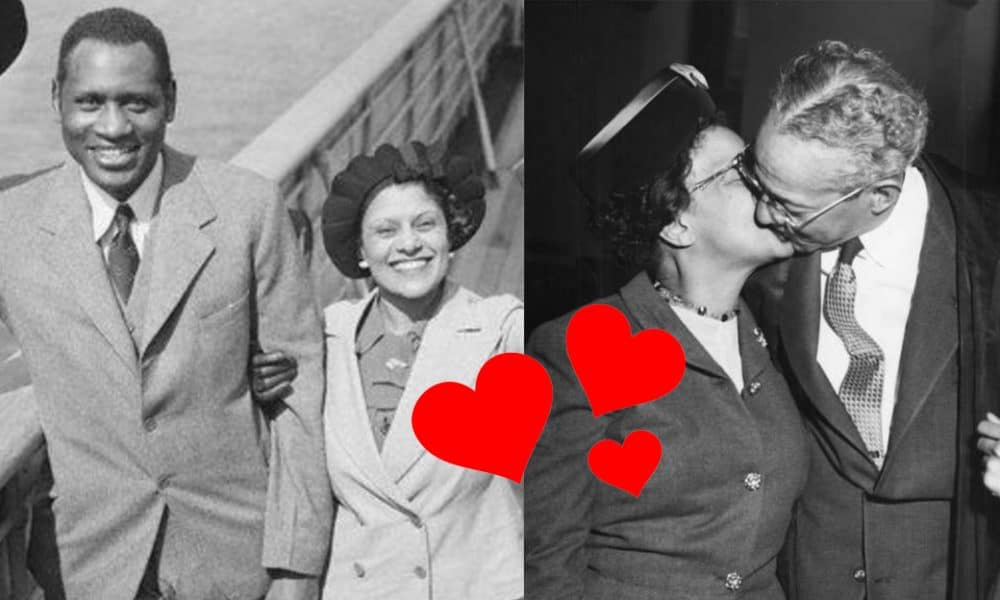
Beautiful Black fraternity and sorority couples have existed over 100 years so let’s celebrate their love. We’ve compiled a list Read more

“Black Men Teach is trying to get Black men in elementary school classrooms,” Markus Flynn, executive director of Black Men Read more

California home owners experienced racism and discrimination when they were getting an appraisal for their Bay Area home. “It was Read more
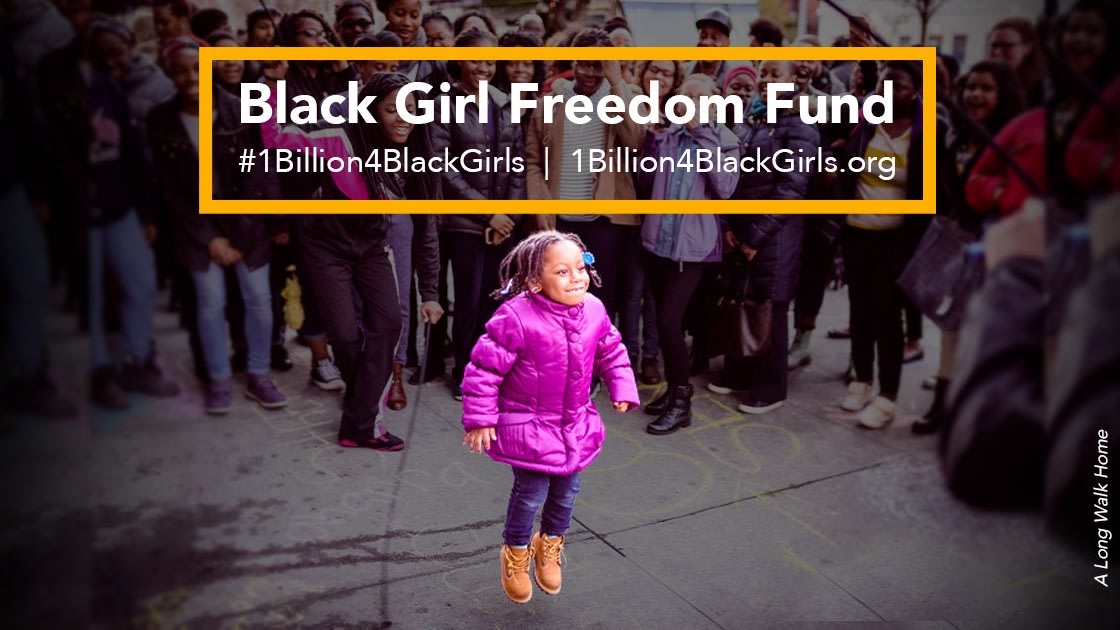
A weeklong series emphasizing investment in Black cis and trans girls is having its inaugural launch this week.Through virtual programming, Read more
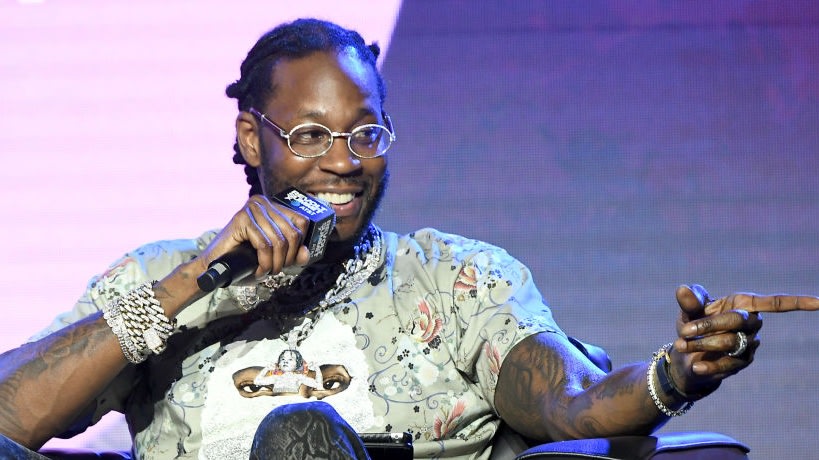
As the celebration of Black History Month continues around the country, 2 Chainz honored the special time of the year Read more

Top 10 American Black Billionaires (+ Up&Comings) http://www.blackexcellist.com ---------------------------------------------- Business Inquiries, Partnerships, & Suggestions blackexcellist@gmail.com Support the Movement w/$25 * Read more

Donate to DJ SkyWalker: https://paypal.me/pools/c/8qNqWU4tVr DJ SkyWalker jetzt auch als Artist KINKO 069 in der DeutschRap Szene. Eigene Produktion mit Read more
So you are dating a member of a Black fraternity, you are over at his house and it is cold. Read more

Essential Black authors to read: Ibram X Kendi & Jason Reynolds, Bakari Sellers, Eve Ewing, D.L. Hughley, Mikki Kendall, Mary Read more

Four Black teens were forced off a plane by flight attendants before takeoff claims they were not wearing mask according Read more