

(BPRW) Black History Milestones: Timeline, Part 4 (2001 – 2021) | Press releases
After studying at Harvard Law School and practicing constitutional law in Chicago, he began his political career in 1996 in the Illinois State Senate and in 2004 announced his candidacy for a newly vacant seat in the U.S. Senate. He delivered a rousing keynote speech at that year’s Democratic National Convention, attracting national attention with his eloquent call for national unity and cooperation across party lines. In February 2007, just months after he became only the third African American elected to the U.S. Senate since Reconstruction, Obama announced his candidacy for the 2008 Democratic presidential nomination.
After withstanding a tight Democratic primary battle with Hillary Clinton, the New York senator and former first lady, Obama defeated Senator John McCain of Arizona in the general election that November. Obama’s appearances in both the primaries and the general election drew impressive crowds, and his message of hope and change—embodied by the slogan “Yes We Can”—inspired thousands of new voters, many young and Black, to cast their vote for the first time in the historic election. He was reelected in 2012.
The Black Lives Matter Movement
The term “Black lives matter” was first used by organizer Alicia Garza in a July 2013 Facebook post in response to the acquittal of George Zimmerman, a Florida man who shot and killed unarmed 17-year-old Trayvon Martin on February 26, 2012. Martin’s death set off nationwide protests like the Million Hoodie March. In 2013, Patrisse Cullors, Alicia Garza, and Opal Tometi formed the Black Lives Matter Network with the mission to “eradicate white supremacy and build local power to intervene in violence inflicted on Black communities by the state and vigilantes.”
The hashtag #BlackLivesMatter first appeared on Twitter on July 13, 2013 and spread widely as high-profile cases involving the deaths of Black civilians provoked renewed outrage.
A series of deaths of Black Americans at the hands of police officers continued to spark outrage and protests, including Eric Garner in New York City, Michael Brown in Ferguson, Missouri, Tamir Rice in Cleveland Ohio and Freddie Gray in Baltimore, Maryland.
The Black Lives Matter movement gained renewed attention on September 25, 2016, when San Francisco 49ers players Eric Reid, Eli Harold, and quarterback Colin Kaepernick kneeled during the national anthem before the game against the Seattle Seahawks to draw attention to recent acts of police brutality. Dozens of other players in the NFL and beyond followed suit.
George Floyd Protests
The movement swelled to a critical juncture on May 25, 2020, in the midst of the COVID-19 epidemic when 46-year-old George Floyd died after being handcuffed and pinned to the ground by police officer Derek Chauvin.
Chauvin was filmed kneeling on Floyd’s neck for more than eight minutes. Floyd had been accused of using a counterfeit $20 bill at a local deli in Minneapolis. All four officers involved in the incident were fired. In April 2021, Chauvin was convicted of second-degree unintentional murder, third-degree murder and second-degree manslaughter. The three other officers were charged with aiding and abetting murder.
Floyd’s killing came on the heels of two other high-profile cases in 2020. On February 23, 25-year-old Ahmaud Arbery was killed while out on a run after being followed by three white men in a pickup truck. And on March 13, 26-year-old EMT Breonna Taylor, was shot eight times and killed after police broke down the door to her apartment while executing a nighttime warrant.
On May 26, 2020, the day after Floyd’s death, protestors in Minneapolis took to the streets to protest Floyd’s killing. Police cars were set on fire and officers released tear gas to disperse crowds. After months of quarantine and isolation during a global pandemic, protests mounted, spreading across the country in the following days and weeks.
Kamala Harris Becomes the First Woman and First Black US Vice President, 2021
In January 2021, Kamala Harris became the first woman and first woman of color to become vice president of the United States. Then-candidate Joe Biden had nominated Harris in August 2020 during the Democratic party’s “remote” national convention. Harris, whose mother immigrated to the United States from India and whose father immigrated from Jamaica, was the first person of African or Asian descent to become a major party’s vice presidential candidate—and the first to win the office.
In her victory speech in November 2020, Harris said that she was thinking “about the generations of women, Black women, Asian, white, Latina, Native American women—who throughout our nation’s history have paved the way for this moment tonight—women who fought and sacrificed so much for equality and liberty and justice for all.”
Citation Information
Article Title
Black History Milestones: Timeline
Access Date
February 5, 2022
Publisher
A&E Television Networks
Last Updated
February 2, 2022
Original Published Date
October 14, 2009

More than a quarter of professional footballers in Europe's top leagues are Black. But in all 98 head coaching positions Read more

A Maryland resident is breaking barriers as an entrepreneur, becoming the first Black woman to solely own a tequila brand. Tiffany Hainesworth Read more

Alexander Twilight is generally believed to be the first African-American in the United States to graduate from college. Twilight was Read more
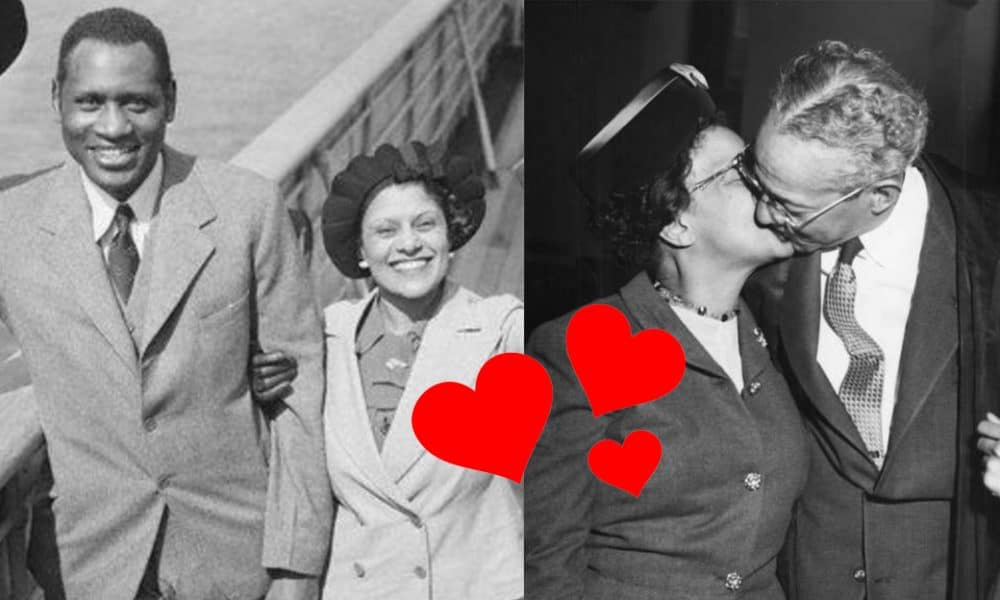
Beautiful Black fraternity and sorority couples have existed over 100 years so let’s celebrate their love. We’ve compiled a list Read more

“Black Men Teach is trying to get Black men in elementary school classrooms,” Markus Flynn, executive director of Black Men Read more

California home owners experienced racism and discrimination when they were getting an appraisal for their Bay Area home. “It was Read more
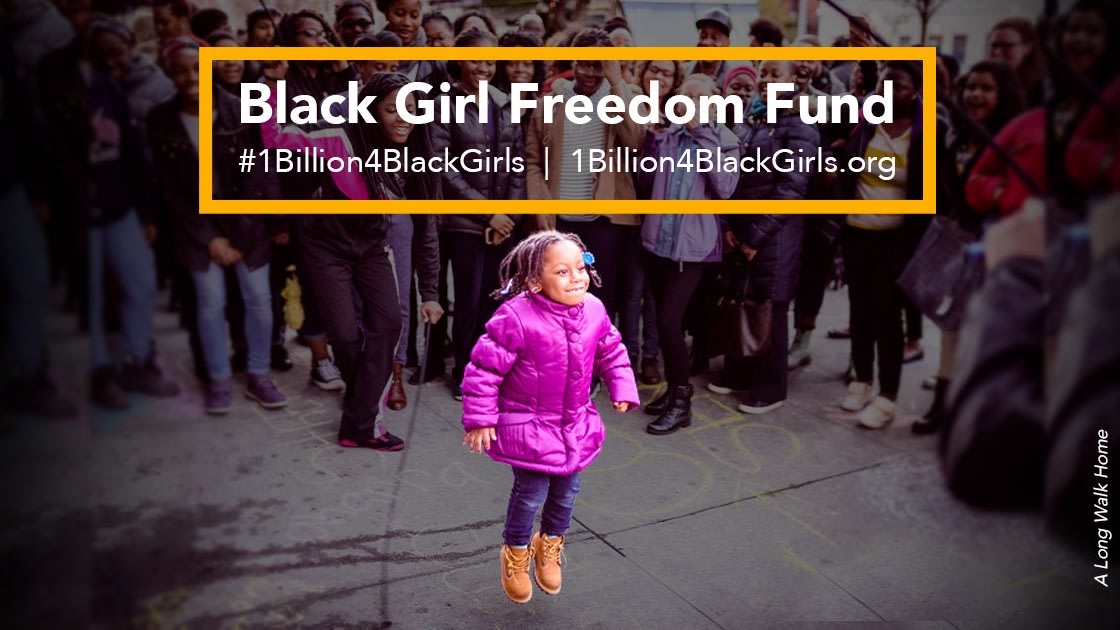
A weeklong series emphasizing investment in Black cis and trans girls is having its inaugural launch this week.Through virtual programming, Read more
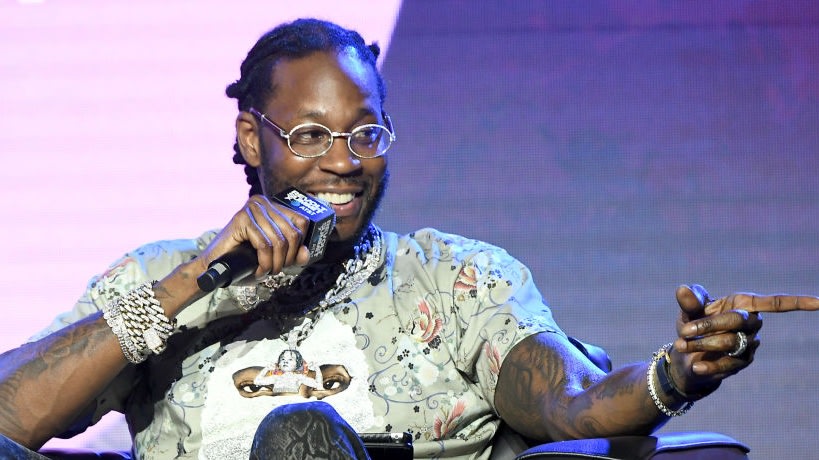
As the celebration of Black History Month continues around the country, 2 Chainz honored the special time of the year Read more

Top 10 American Black Billionaires (+ Up&Comings) http://www.blackexcellist.com ---------------------------------------------- Business Inquiries, Partnerships, & Suggestions blackexcellist@gmail.com Support the Movement w/$25 * Read more

Donate to DJ SkyWalker: https://paypal.me/pools/c/8qNqWU4tVr DJ SkyWalker jetzt auch als Artist KINKO 069 in der DeutschRap Szene. Eigene Produktion mit Read more
So you are dating a member of a Black fraternity, you are over at his house and it is cold. Read more

Need a book recommendation? We got you. Here are some essential Black authors we’ve had on the show. #BlackHistoryMonth #DailyShow Read more