

Black People Make up a Larger Share of Defendants in Cook County
CHICAGO (AP) — The number of people charged in criminal cases has declined steadily in Cook County over the last two decades. But a closer look at the trend reveals stark racial disparities that have only worsened over time. More than 3 million criminal cases were filed in Cook County between 2000 and 2018. Over 60% of those were filed against Black people, according to an analysis of Cook County court data by The Circuit, even though Black people only make up about a quarter of the county’s population.
The rising racial disparities in the court system have also led to wider disparities in incarceration rates. Black people are now incarcerated in the Cook County Jail at more than 17 times the rate of white people, according to an analysis of jail population and census data by The Circuit. That’s the largest gap between the two groups since at least 1990.
The Circuit analyzed data on specific charges to better understand the trends. We also interviewed experts on policing, criminal justice, and race, who offered possible explanations for the shrinking caseloads and growing racial disparities in Cook County courts.
The rising racial disparities in the court system have also led to wider disparities in incarceration rates. Black people are now incarcerated in the Cook County Jail at more than 17 times the rate of white people, according to an analysis of jail population and census data by The Circuit. That’s the largest gap between the two groups since at least 1990.
The Circuit analyzed data on specific charges to better understand the trends. We also interviewed experts on policing, criminal justice, and race, who offered possible explanations for the shrinking caseloads and growing racial disparities in Cook County courts.
“What’s potentially going on is a shift in the types of cases that are getting made or arrests that are being made,” said David Olson, a criminology professor at Loyola University Chicago.
Several scholars suggested that changes to public safety priorities have reduced police and prosecutors’ focus on nonviolent offenses, such as low-level drug possession, theft, and prostitution. At the same time, law enforcement agencies have intensified their efforts around gun cases, which are disproportionately filed against Black men.
Other experts attributed the growing racial disparities to long-standing disinvestment and over policing in Black communities. They argue that local lawmakers have leaned too heavily on the criminal justice system to solve social problems, rather than addressing root causes of crime that disproportionately affect Black people, such as poverty, school inequity, a scarcity of living-wage jobs, and a lack of affordable housing.
Research suggests that the overrepresentation of Black people in the criminal justice system reflects social inequity rather than any correlation between race and criminality. Research also shows that urban areas with high concentrations of poverty and disadvantage are particularly prone to certain property and violent crimes, especially communities that are racially segregated and under-resourced.
Shifting priorities and growing racial disparities
While the number of cases in the Cook County Circuit Court has trended down since 2000, certain types of cases have decreased more than others, as public sentiment, political winds, and new laws have changed prosecutors’ approach in Cook County. But while charges have decreased overall, racial and gender disparities have worsened for some types of crimes.
For example, prosecutors began bringing fewer prostitution charges against alleged sex workers in 2005. Then-Mayor Richard M. Daley announced a focus on criminalizing customers of sex workers around that time. The number of prostitution charges in Cook County decreased from more than 3,000 in 2004 to just 54 in 2018.
But Black women still make up the largest share of people charged with prostitution in Cook County. And a 2020 study from the Chicago Alliance Against Sexual Exploitation found that an increasing share of the people police arrest for prostitution-related offenses are those selling sex, despite a law passed in 2014 that offers law enforcement financial incentives to target customers.
Similarly, the number of cannabis-related charges brought by prosecutors each year in Cook County dropped by 75% from 2000 to 2018, with significant decreases after Chicago began decriminalizing small amounts of pot in 2012 and when Illinois did the same in 2016.
But even as the overall number of pot charges have gone down, the racial disparities in who is charged with certain cannabis-related crimes have increased.
Ojmarrh Mitchell, a criminology professor at Arizona State University, has written about racial disparities in drug sanctions in the criminal justice system. Mitchell said the decriminalization and legalization of drugs such as marijuana can increase racial disparities, as fewer people are charged with possession and law enforcement focuses more on busting people for delivery and distribution.
Court data analyzed by The Circuit shows that the likelihood a defendant is Black or white varies widely based on the type of charge against them. Black people are overrepresented among defendants charged with cannabis possession — but the disparity is even higher for delivery cases.
“Essentially, you’re swapping out many cases that have relatively low racial disparities for crimes that have greater racial disparities,” Mitchell said. “The end result is (that) even though the number of cases is going down, racial disparities are going to get worse.”
A spokesperson for the office of Cook County State’s Attorney Kim Foxx suggested, in a statement emailed to The Circuit, that the increase in Black people charged by the office “may stem from the policing strategies employed in Black neighborhoods that are not employed in white neighborhoods.”
The statement noted that prosecutors typically only review cases after police make an arrest and alleged that the office has tried to change police “behavior” by declining to prosecute more low-level drug cases brought to the state’s attorney’s office by police.
But as prosecutors brought fewer drug cases to court in recent years, they brought more gun cases, which police, public officials, and the media often link to the city’s violence. This trend, too, has resulted in increased racial disparities in the court system. Between 2000 and 2018, the number of weapons cases filed increased by 39% for Black defendants but decreased by 49% for white defendants. Black people, especially Black men younger than 25, are overrepresented among defendants charged in gun cases.
In 2016, a gun violence surge contributed to more than 750 homicides in Chicago, the most since 1997. After that particularly violent year, the police department announced plans to return to hot-spot policing, focused especially on districts in Black and brown communities on the South Side and West Side, targeting people with guns. Since 2018, the department has also employed the controversial gunshot detection technology ShotSpotter, which the city’s inspector general found rarely produced evidence of a crime or a gun.
The number of weapons charges rose 44% between 2016 and 2018, according to The Circuit data analysis.
“The Chicago Police Department is committed to treating all individuals with fairness and respect. We do not target individuals based on race,” said Sgt. Rocco Alioto, a spokesperson for the department, in an emailed statement. He encouraged anyone with allegations of misconduct to file a complaint with the Civilian Office of Police Accountability.
The link between inequity and crime
The racial disparities in charges also reflect long-standing social inequities, segregation, and disinvestment in Black and Latinx communities.
David Stovall, a professor at the University of Illinois at Chicago, said violent crime tends to happen in communities lacking access to quality health care, quality education, living wage employment, and food. The concentration of poverty and violence in these neighborhoods leads to more policing and more arrests, he said.
“If you have stronger surveillance in those spaces, then you would also see stronger correlations in terms of people being arrested and charged for certain offenses in those areas that may be ancillary to gun violence or completely separate from it,” said Stovall, who studies critical race theory, education, and housing.
The spokesperson for Foxx acknowledged in the statement that “systemic issues within the criminal justice systems are centuries-old” and emphasized that Foxx’s office is working to utilize more diversion programs that connect people charged with crimes to social services instead of incarceration.
Olson suggested that other policy changes could help decrease racial disparities in the criminal justice system, highlighting Illinois’ R3 program, which takes a portion of tax money received from legal marijuana sales and invests in communities harmed by disinvestment, violence, and overpolicing. But he maintained that public officials can’t depend on the criminal justice system to cure social ills affecting people of color that are rooted in long-standing social inequities and economic injustice.
“They’ll always be dealing with racial disparity, despite what the system does, because they’re dealing with the output from society,” he said.
Her organization, Southsiders Organized for Unity and Liberation, is part of a coalition backing the Budget for Black Lives, an initiative aimed at siphoning funds from the Cook County Jail and investing more dollars in disadvantaged communities.
She said money that currently funds police, prosecutors, jails, and prisons should go to improving schools, housing the unhoused, feeding the hungry, ensuring people have access to adequate health care and mental health services, and strengthening social safety nets.
“I think we have to really stop the conversation about what is impossible, sit down, and radically reimagine society,” she said. “Starting with Cook County.”
5 Black people rewriting what it means to be a social change agent
10 Black podcasts you should listen to in 2019 that you’ve probably never heard of before
Police Pull Black Doordash Driver Out From Car, Arrest Her for Drugs That Weren’t Drugs

More than a quarter of professional footballers in Europe's top leagues are Black. But in all 98 head coaching positions Read more

A Maryland resident is breaking barriers as an entrepreneur, becoming the first Black woman to solely own a tequila brand. Tiffany Hainesworth Read more
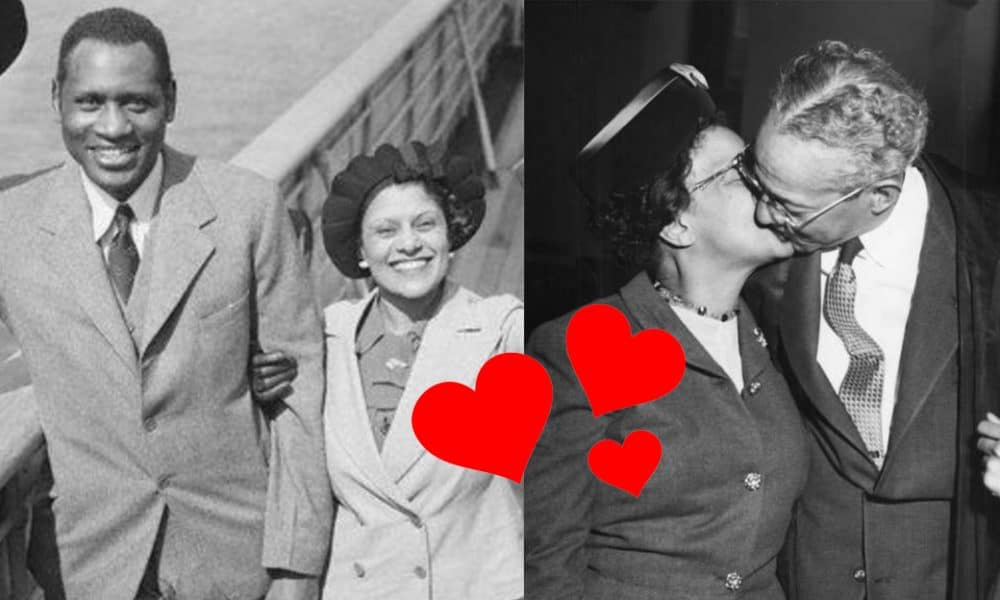
Beautiful Black fraternity and sorority couples have existed over 100 years so let’s celebrate their love. We’ve compiled a list Read more

“Black Men Teach is trying to get Black men in elementary school classrooms,” Markus Flynn, executive director of Black Men Read more

California home owners experienced racism and discrimination when they were getting an appraisal for their Bay Area home. “It was Read more
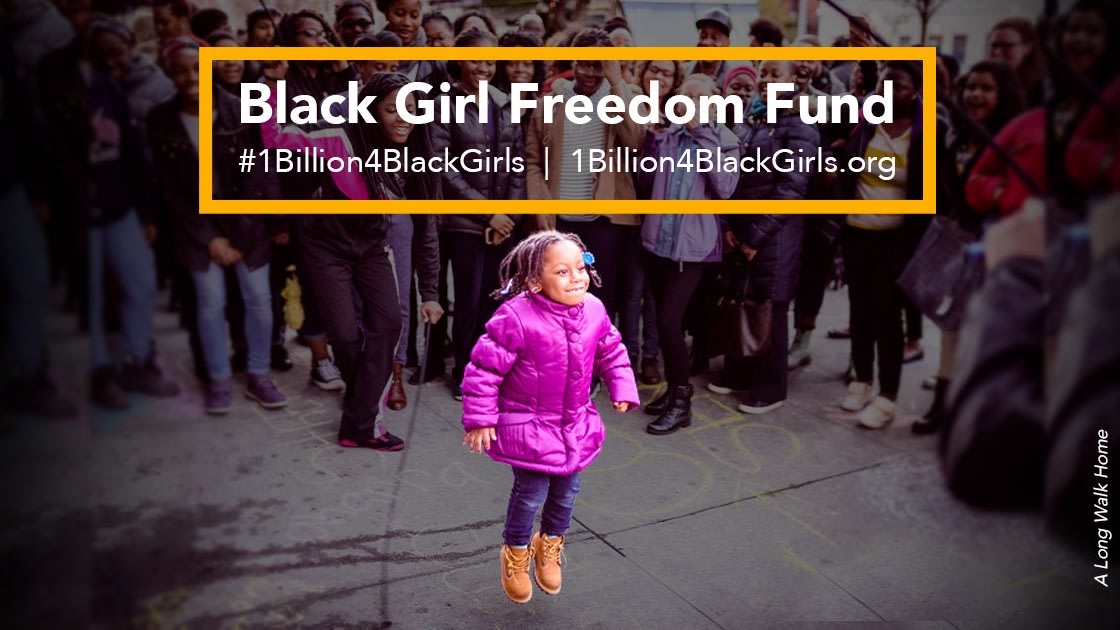
A weeklong series emphasizing investment in Black cis and trans girls is having its inaugural launch this week.Through virtual programming, Read more
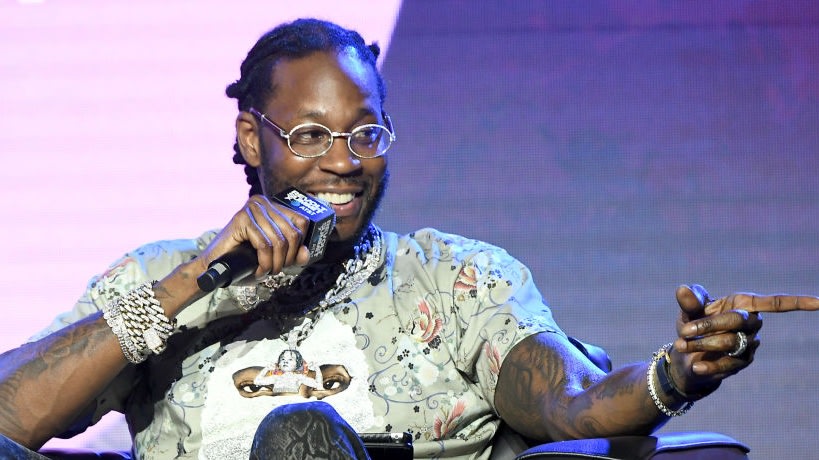
As the celebration of Black History Month continues around the country, 2 Chainz honored the special time of the year Read more

Top 10 American Black Billionaires (+ Up&Comings) http://www.blackexcellist.com ---------------------------------------------- Business Inquiries, Partnerships, & Suggestions blackexcellist@gmail.com Support the Movement w/$25 * Read more

Donate to DJ SkyWalker: https://paypal.me/pools/c/8qNqWU4tVr DJ SkyWalker jetzt auch als Artist KINKO 069 in der DeutschRap Szene. Eigene Produktion mit Read more
So you are dating a member of a Black fraternity, you are over at his house and it is cold. Read more

Essential Black authors to read: Ibram X Kendi & Jason Reynolds, Bakari Sellers, Eve Ewing, D.L. Hughley, Mikki Kendall, Mary Read more

Four Black teens were forced off a plane by flight attendants before takeoff claims they were not wearing mask according Read more